

Archive · 31 Oct 2025
Rude Prompts May Improve ChatGPT Accuracy, Penn State Study Suggests
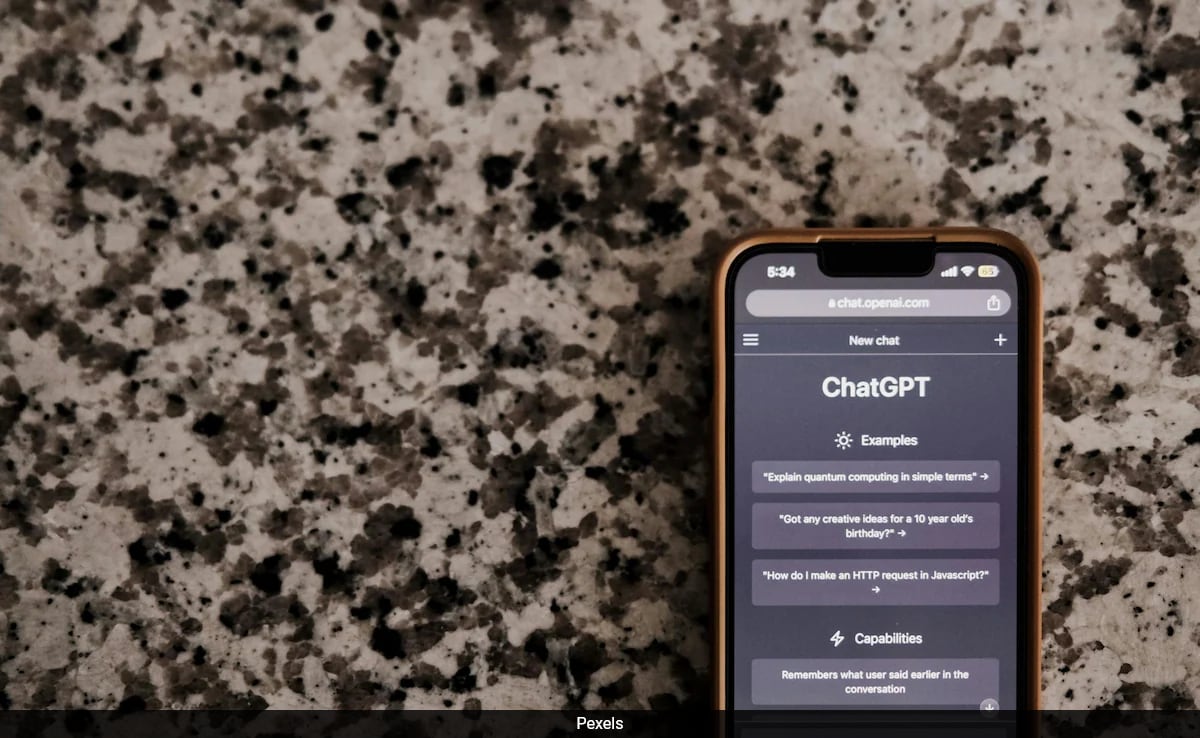
Imagine you're asking a robot helper to do a task.
A new study found that if you ask the robot, like ChatGPT, in a very direct or even a little bit rude way, it might do a better job.
Researchers tested this by asking the AI lots of questions, some polite and some not so polite.
The AI got more answers right when the instructions were blunt.
This could mean that how we talk to AI really matters.
But, the study also says we shouldn't be rude all the time because it's not good for us to practice being unkind, and it might make it harder for some people to use AI.

A Penn State study suggests that rude prompts may lead to improved accuracy in ChatGPT.
Testing on OpenAI's GPT-4o model showed an 84.8% accuracy rate with 'very rude' prompts.
Polite prompts resulted in approximately 80.8% accuracy for the same tasks.
Researchers theorize that AI models may be sensitive to prompt tone and structure.
The study cautions against normalizing rude communication with AI due to potential negative impacts on communication habits and inclusivity.
- Who
- Researchers from Penn State University
- What
- Found that rude prompts may improve ChatGPT's accuracy
- When
- Recently (implied by 'new study')
- Where
- Penn State University
- Why
- The study suggests AI models might respond differently to blunt or impolite instructions, indicating complexity in AI-human interaction.
Benefits of Rude Prompts
Risks of Rude Prompts
AI Performance
Benefits of Rude Prompts
Blunt or impolite instructions can lead to higher accuracy rates in AI models like ChatGPT.
Risks of Rude Prompts
Normalizing rude communication with AI could encourage harmful habits and negatively affect user experience.
Human-AI Interaction Complexity
Benefits of Rude Prompts
The results indicate that AI-human interaction is more complex, with prompt tone significantly influencing outcomes.
Risks of Rude Prompts
Focusing on bluntness might overshadow the need for accessible and inclusive AI interfaces for all users.
- Study Source
- Penn State University
- AI Model Tested
- OpenAI's GPT-4o
- Number of Prompts
- Over 250
- Accuracy with Rude Prompts
- 84.8% (for multiple-choice questions)
- Accuracy with Polite Prompts
- Approximately 80.8%
- Study Status
- Preprint (not yet peer-reviewed)