7 months ago
Reissuing Gail Omvedt's Buddhism in India
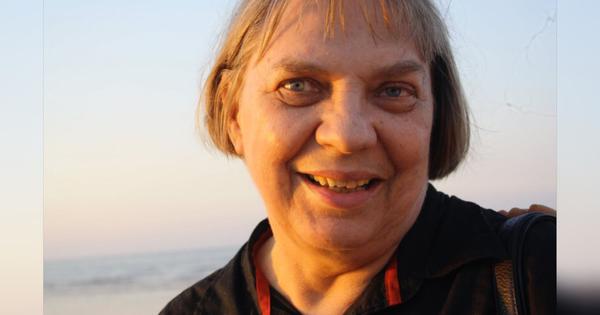
Gail Omvedt wrote a book called 'Buddhism in India' a long time ago.
It talked about how Buddhism and Brahmanism fought each other in ancient India.
A publishing house called Navayana decided to bring this book back for new readers.
They added a new introduction by a historian named Uma Chakravarti.
The book is important because it tells the story of how Buddhism was a big part of India's history and how it still matters today.
Gail Omvedt was a big supporter of the ideas in the book and worked with the publishing house for many years.
The book helps people understand the history of Buddhism in India and why it's still important.

Gail Omvedt's book 'Buddhism in India' is being reissued by Navayana Publishing.
The book explores the historical conflict between Brahmanism and Buddhism in India.
Navayana Publishing was inspired by Omvedt's work and named after a concept she discussed.
The reissue includes a new foreword by historian Uma Chakravarti.
Omvedt's work is significant in the context of Ambedkar's idea of a Prabuddha Bharat (Enlightened India).
- Who
- Gail Omvedt, Ravikumar, Bharat Patankar, Prachi Patankar, Uma Chakravarti
- What
- Reissue of Gail Omvedt's book 'Buddhism in India'
- Where
- India
- When
- Original publication in 2003, reissue in 2023
- Why
- To reintroduce the book to a new generation of readers and keep Ambedkar's idea of a Prabuddha Bharat (Enlightened India) alive
Key facts
- Author
- Gail Omvedt
- Publisher
- Navayana
- Original Publication Year
- 2003
- Reissue Year
- 2023
- Foreword Author
- Uma Chakravarti
- Original Publisher
- Sage
- Ambedkar's Work Cited
- Revolution and Counter-Revolution in Ancient India
Quotes

Gail Omvedt
Scholar and activist, author of 'Buddhism in India: Challenging Brahmanism and Caste'
“Is a fourth yana, a Navayana, a kind of modernistic Enlightenment version of the Dhamma, really possible within the framework of Buddhism?”
 scroll.in
BR Ambedkar
Prominent Indian jurist, economist, and social reformer, known for his work on the Dalit Buddhist movement
“The history of India is a history of the mortal conflict between Brahmanism and Buddhism.”
scroll.in

Uma Chakravarti
Historian and author of the foreword to the new edition of 'Buddhism in India: Challenging Brahmanism and Caste'
“Gail was a serious scholar … she located herself firmly within the Ambedkarite tradition of Buddhism that saw it as a succour from the brutalities of Hinduism. … This led her to questions about what the Buddha thought, said and did in his own time to find a way out of humanity’s cycle of sorrow. She researched the quest of ancient Buddhists for a meaningful and ethical way of living, and their ideas of shaping the world for an ethical and meaningful way of being, both individually and collectively.”
scroll.in