Archive · 22 Jan 2026
Japan Restarts World's Largest Nuclear Plant
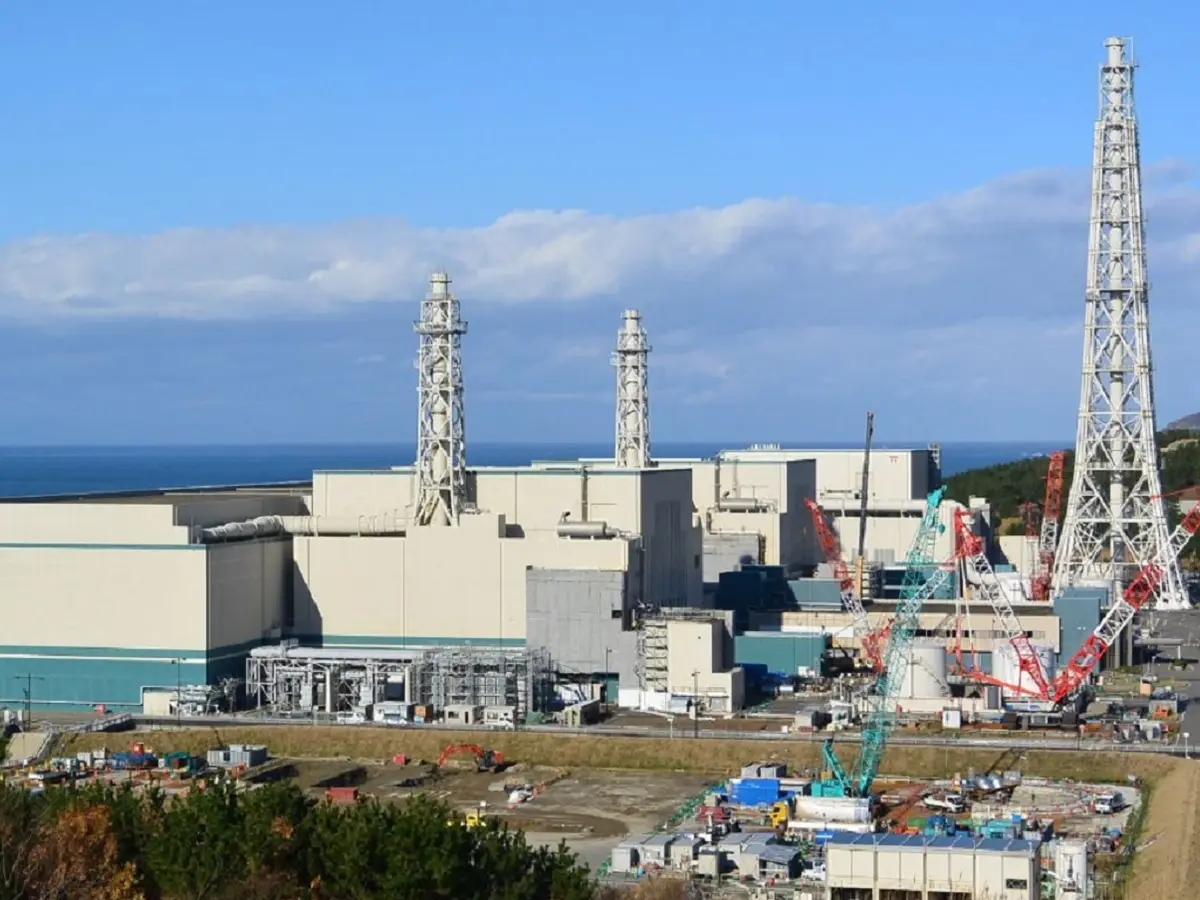
Japan has started up one of the seven reactors at the Kashiwazaki-Kariwa nuclear plant, the world's largest.
This plant was shut down after the Fukushima disaster in 2011.
Japan wants to use more nuclear power to make electricity, aiming for 20% by 2040.
They have made the plant safer with big walls and strong doors to protect against tsunamis.
Some people are not happy and have sued the company and the government.
Japan is trying to use more nuclear power to reduce pollution and rely less on imported energy.
However, many residents near the plant are worried about safety and want a referendum on the plant's future.
The restart was delayed by a day due to an issue with an alarm, but it was not serious.

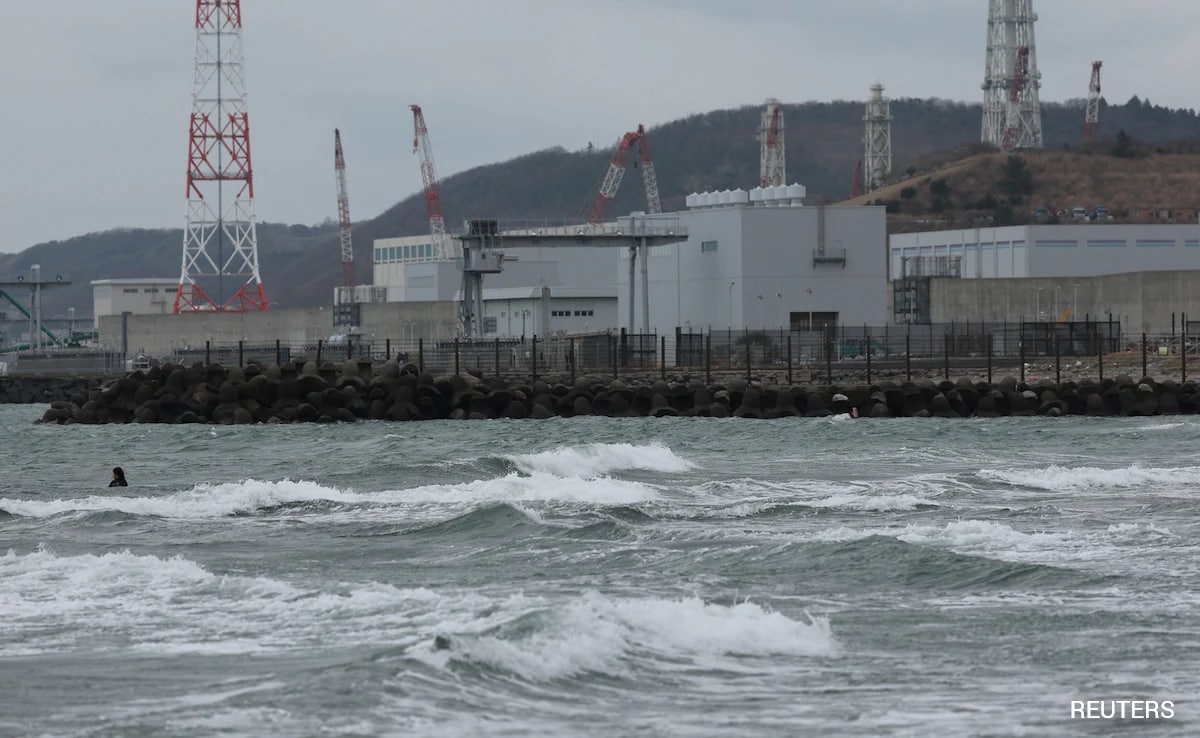
Japan restarted Reactor No. 6 at the Kashiwazaki-Kariwa nuclear plant, the world's largest, after a 15-year shutdown following the Fukushima disaster.
The plant is expected to begin commercial operation next month, with enhanced safety measures including 15-meter-high seawalls and watertight doors.
Japan aims to have nuclear power fulfill 20% of its electricity needs by 2040, up from the current 8.5%.
Since 2015, Japan has restarted 15 of its 33 operable reactors as part of its strategy to achieve net zero emissions by 2050.
Thousands of residents have filed lawsuits against TEPCO and the Japanese government over health and property damages allegedly linked to radiation exposure from the Fukushima disaster.
- Who
- Japan, Tokyo Electric Power Co. (TEPCO), Residents near the plant
- What
- Restart of Reactor No. 6 at the Kashiwazaki-Kariwa nuclear plant
- When
- Wednesday (specific date not mentioned), expected commercial operation next month
- Where
- Kashiwazaki-Kariwa plant, northwest of Tokyo
- Why
- To increase energy self-sufficiency, reduce carbon emissions, and meet net zero emissions by 2050
Pro-Nuclear Restart
Anti-Nuclear Restart
Energy Security and Emissions
Pro-Nuclear Restart
Nuclear power is essential for reducing carbon emissions and increasing energy self-sufficiency.
Anti-Nuclear Restart
Nuclear power is not safe and renewable energy should be prioritized instead.
Economic Benefits
Pro-Nuclear Restart
Restarting reactors can lower electricity bills and bring significant profits, making it an economic inevitability.
Anti-Nuclear Restart
Maintaining dormant nuclear plants is costly, and shifting to renewable energy is more sustainable in the long run.
Safety Measures
Pro-Nuclear Restart
New safety measures, such as 15-meter-high seawalls and watertight doors, ensure the plant is safe to operate.
Anti-Nuclear Restart
The Fukushima disaster proved that nuclear power is not inherently safe, and another accident could have severe consequences.
- Plant Name
- Kashiwazaki-Kariwa
- Location
- Northwest of Tokyo
- Reactors Operational
- 1 (Reactor No. 6)
- Total Reactors
- 7
- Expected Commercial Operation
- Next month
- Nuclear Power Goal 2040
- 20% of electricity
- Current Nuclear Power Share
- 8.5%
- Reactors Restarted Since 2015
- 15 out of 33 operable
- Residents Opposed
- 420,000
Sources
Japan restarts world’s largest nuclear plant, 15 years after shutting down all reactors

Nuclear power re-enters energy debate with plans to triple capacity by 2050 - CNBC TV18
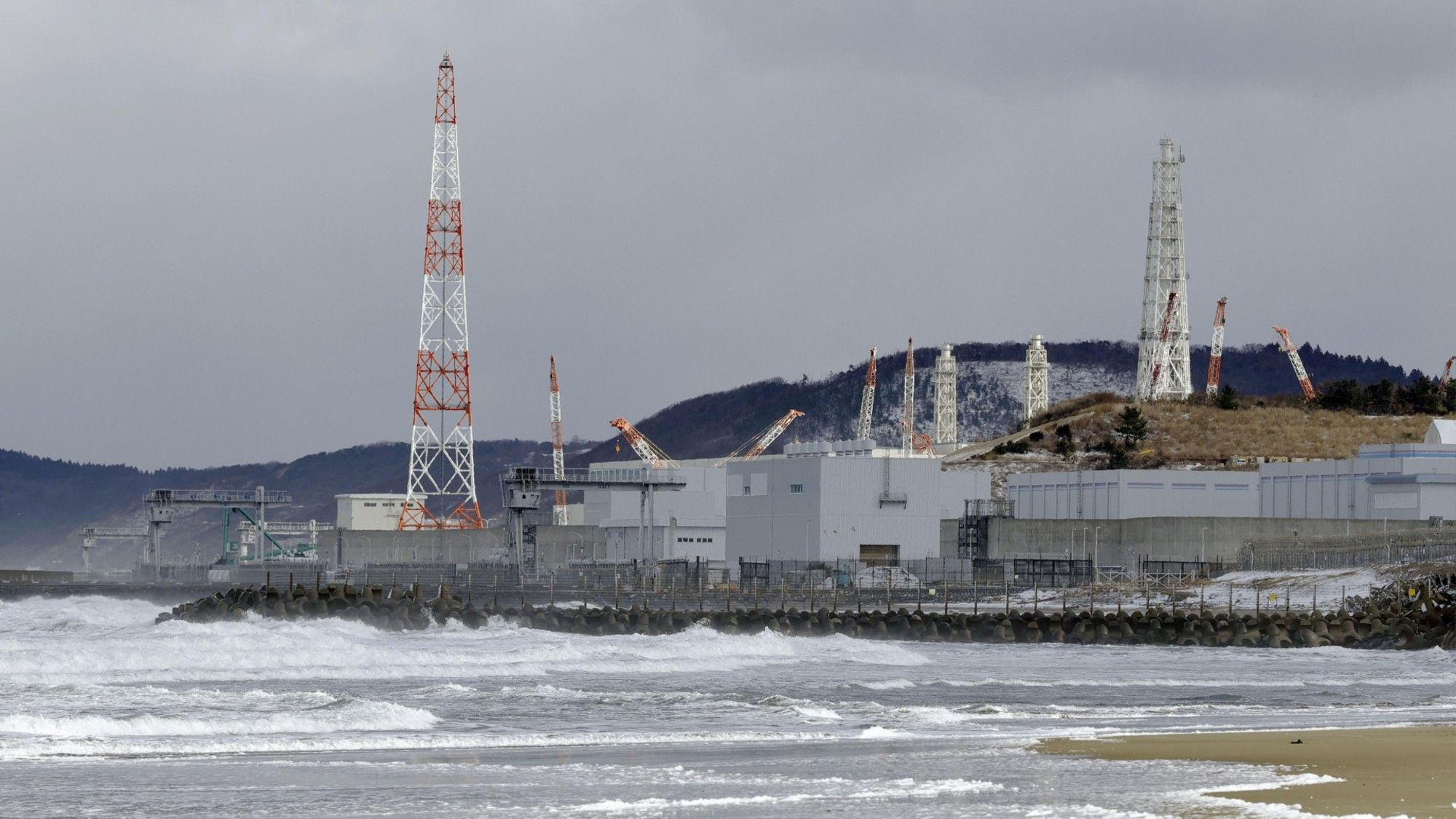
15 years after Fukushima, is Japan right to restart its reactors?
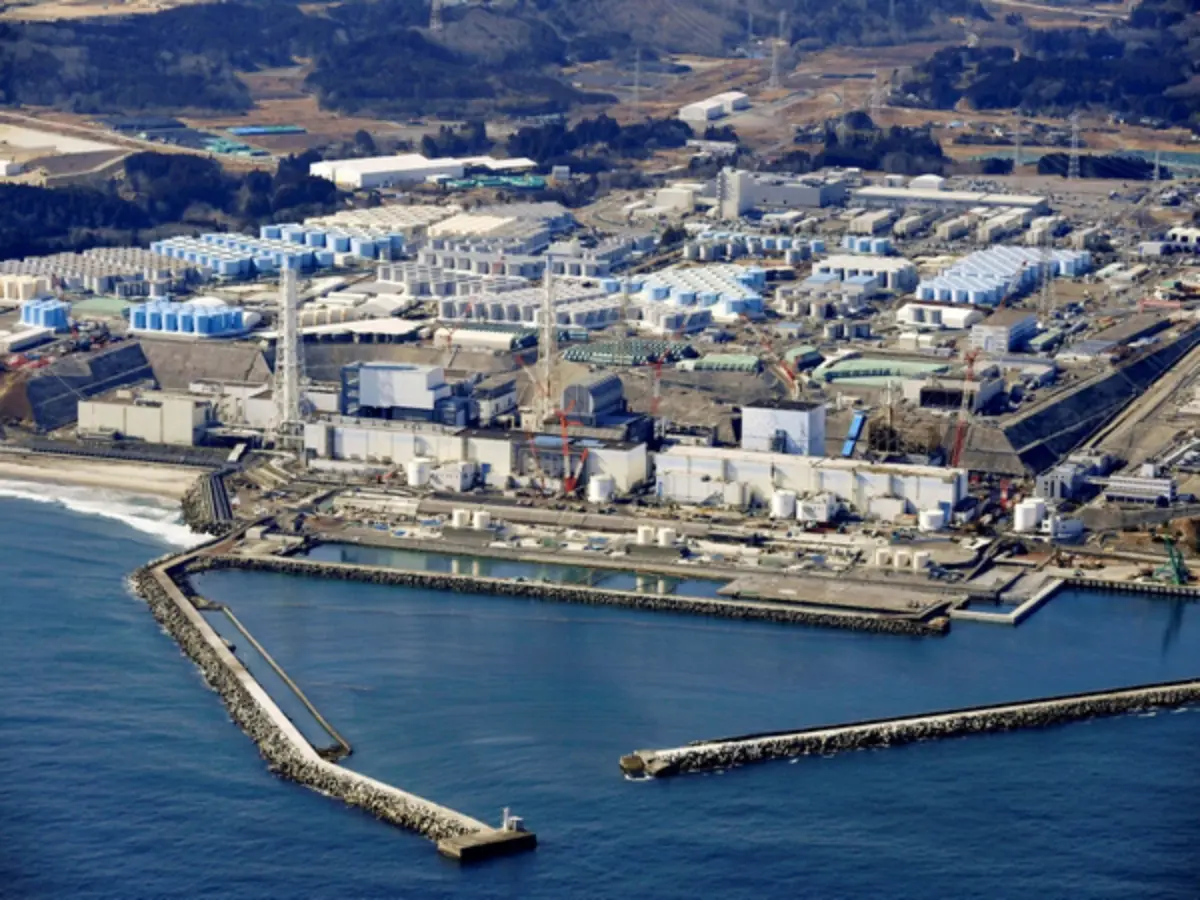
'Stable, no radioactive impact': Japan halts restart of world’s biggest nuclear plant