

Archive · 1 Dec 2025
Expert Explains Postpartum Hair Loss Causes
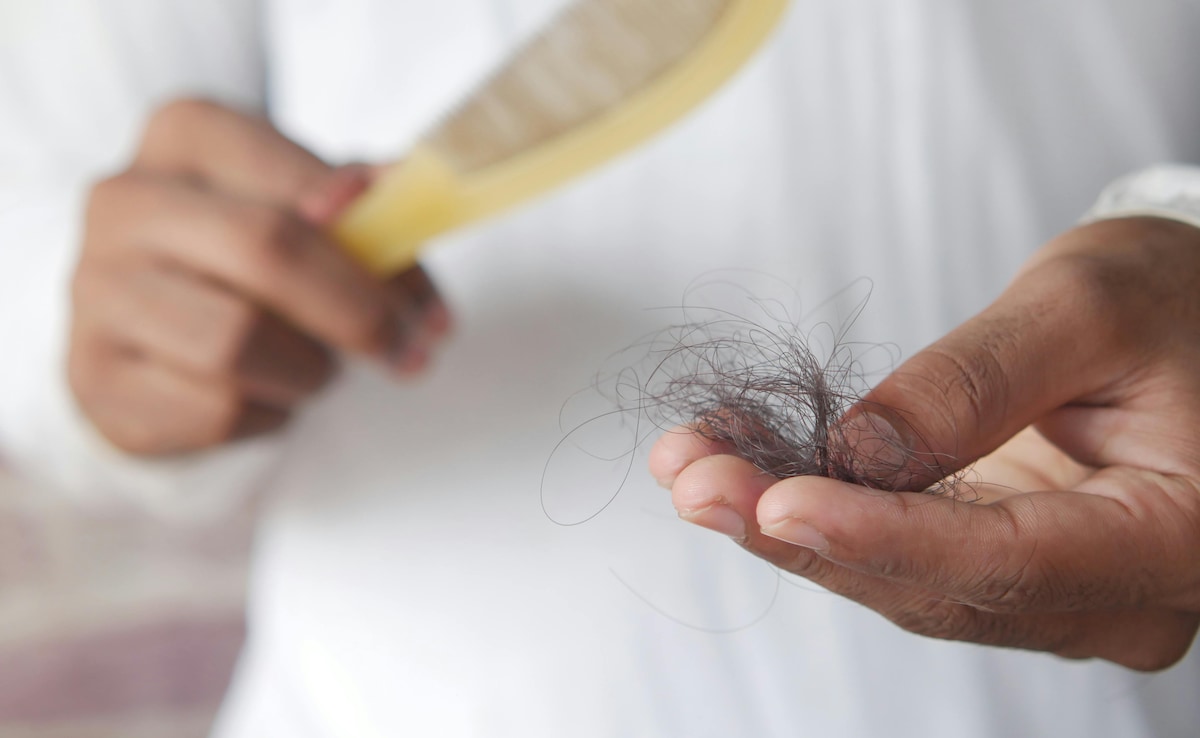
After having a baby, many moms notice their hair falling out.
This is normal and happens because of big changes in their bodies.
During pregnancy, hair grows more and falls out less, making it look thicker.
But after the baby is born, the body goes back to normal, and some hair starts to fall out.
This is called telogen effluvium.
It's caused by a drop in a hormone called oestrogen and the stress of having a baby.
A few months later, the hair that was resting starts to fall out all at once.
This can be scary, but it's a normal part of recovery.
To help hair grow back, moms should eat foods with lots of zinc, ferritin, vitamin D, and vitamin B12.
A doctor can also suggest treatments like LED helmets to help hair grow stronger.
It's important not to worry too much because the hair will grow back on its own.

Postpartum hair loss is a natural response to hormonal changes and physical stress of childbirth.
During pregnancy, the hair growth cycle is prolonged, leading to thicker hair.
After childbirth, hormonal fluctuations cause hair follicles to enter a resting phase, leading to shedding.
Proper nutrition, including adequate levels of zinc, ferritin, vitamin D, and vitamin B12, supports hair regrowth.
LED helmets with low-level light therapy can help accelerate hair growth and strengthen new strands.
- Who
- New mothers experiencing postpartum hair loss
- What
- Postpartum hair loss due to hormonal changes and stress
- When
- A few months after childbirth or end of breastfeeding
- Where
- Global, affecting all new mothers
- Why
- Hormonal fluctuations and physical stress push hair follicles into resting phase, leading to shedding
- Cause of Hair Loss
- Hormonal fluctuations and physical stress of childbirth
- Hormone Involved
- Oestrogen
- Condition Name
- Telogen effluvium
- Recommended Nutrient Levels
- Zinc, ferritin, and vitamin D above 70; vitamin B12 above 500
- Recommended Treatment
- LED helmets for low-level light therapy