

Archive · 1 Oct 2025
Indian Tribal Women Fight Menstrual Taboos with NGOs' Help
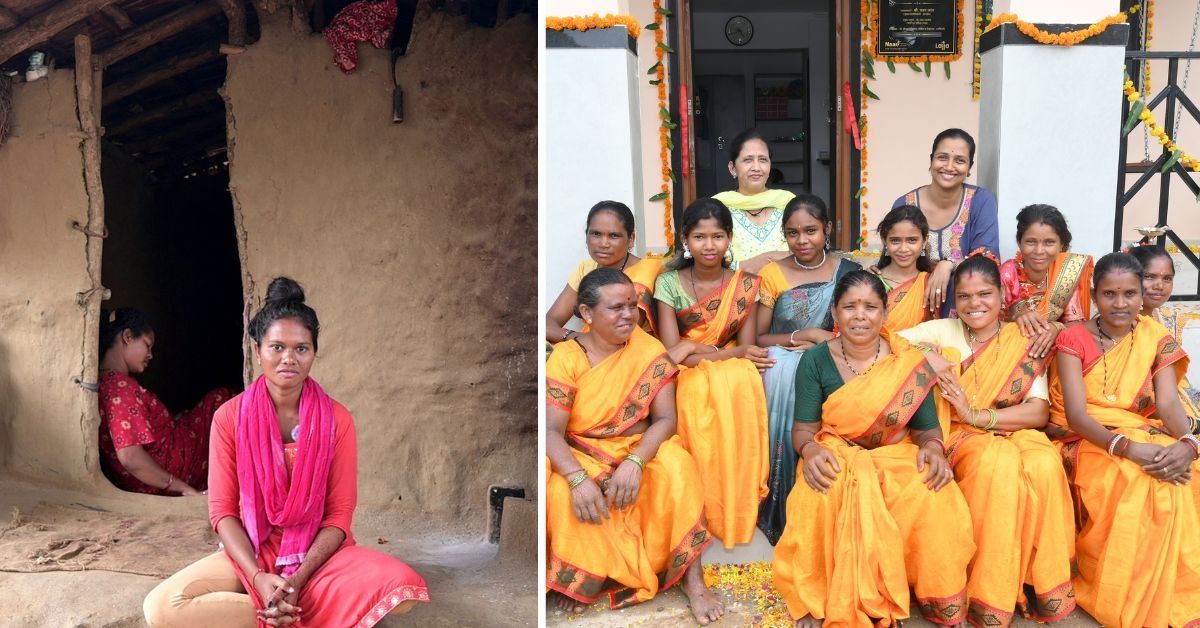
In a region of India, some women are forced to live in small huts called kurma ghars when they have their periods.
These huts are often in bad shape, without basic things like beds or bathrooms.
Because of this practice, women often face unsafe conditions and feel left out.
Some groups are working to help by improving the huts, teaching people about periods, and changing the way people think about menstruation.
Despite being outlawed, the tradition continues, and these groups are attempting to blend tradition with improved living conditions.

Menstruating women in Gadchiroli, India, are traditionally isolated in kurma ghars.
These huts often lack basic amenities and have poor sanitation.
The practice is rooted in taboos and patriarchal norms surrounding menstruation.
NGOs are working to improve kurma ghar conditions and provide education.
Despite being banned in 2015, the practice of seclusion continues due to adherence to custom.
- Who
- Women in Gadchiroli, Maharashtra, and various NGOs
- What
- Efforts to end the practice of isolating menstruating women in huts
- When
- Practice ongoing; NGOs active in recent years, NHRC issued directive in 2015
- Where
- Gadchiroli, Maharashtra, India
- Why
- To challenge taboos around menstruation and improve living conditions.
Advocates for Change
Traditionalists
Menstrual Seclusion
Advocates for Change
The practice is inhumane, unsafe, and a violation of human rights.
Traditionalists
It is a cultural and religious custom.
- Location
- Gadchiroli, Maharashtra, India
- Practice
- Menstruating women are isolated in kurma ghars (huts)
- NGOs Involved
- Making The Difference, SPARSH, Kherwadi Social Welfare Association
- NHRC Directive
- 2015 order to end kurma ghar practice
- Main Issue
- Stigma and poor conditions in isolation huts