1 month ago
Delhi Court Begins Trial in Absentia Against Gangster Sangwan
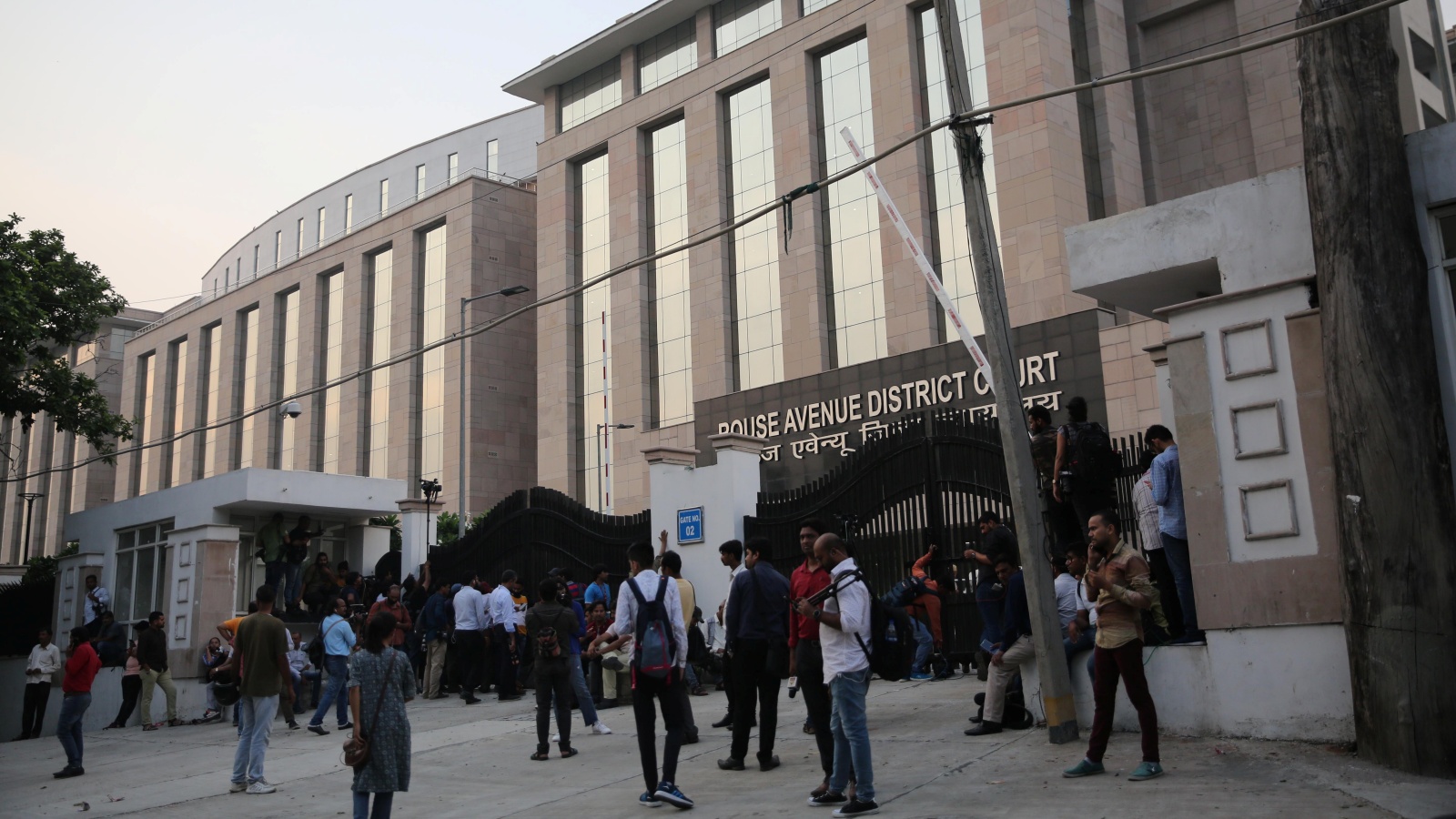
A Delhi court has decided to try a gangster named Kapil Sangwan even though he is not in court.
He is accused of running an extortion ring and is believed to be in London.
The court will hear the prosecution’s case from July 27 to August 7, 2026.
Two warrants were issued to catch him, but they couldn’t be carried out because his house was locked.
This is the first time a trial in absentia is allowed under new law, so the court can convict him even if he stays away.

Delhi court permits trial in absentia of gangster Kapil Sangwan under BNSS Section 356.
Sangwan, accused in two MCOCA cases, is believed to be in London and has been absconding since 2019.
The trial will proceed with prosecution arguments from 27–28 July 2026, with daily submissions until 7 August 2026.
Two non‑bailable warrants were issued, but could not be executed; his house in Najafgarh was locked.
Sangwan faces over two dozen other cases, including extortion, land grabbing, and murder.
- Who
- Kapil Sangwan, a gangster accused in two MCOCA cases
- What
- Trial in absentia under BNSS Section 356
- Where
- Rouse Avenue Court, Delhi
- When
- Order issued July 9, 2026; trial to begin July 14, 2026
- Why
- To prevent an absconding accused from indefinitely delaying justice
Key facts
- Accused
- Kapil Sangwan
- Court
- Rouse Avenue Court, Delhi
- Law
- BNSS Section 356
- Case type
- MCOCA
- Status
- Trial in absentia
- Date of order
- July 9, 2026
- Location of house
- Najafgarh, Delhi
Quotes
Samridhi Dobhal
Advocate associated with the Special Public Prosecutor office
“If he’s convicted and judgement is passed by the trial court sentencing him under the provisions of MCOCA, and as such a situation arises where he is apprehended at a later stage, he will be directly sent to imprisonment to satisfy the sentencing judgement passed by the trial court since trial in his absence has already been concluded.”
 indianexpress.com
“The court finds that the safeguards provided under section 356 (2) for trial of an absconding accused in absentia have been suitably addressed by the State…there is no impediment to the furtherance of the proceedings by way of considering charge.”
indianexpress.com
Sources
Related news

Prosecution Seeks In-Absentia Trial for Wanted 26/11 Accused

Trial in Absentia Begins Against Six 26/11 Accused Under BNSS

Mumbai 26/11 Trial Moves Closer as Proclamation Process Begins

Supreme Court Seeks Police Reply on Balyan’s MCOCA Bail Plea
SC asks trial court to examine witnesses within 3 months

India Begins In Absentia Trial Over Mumbai Attacks

Punjab Police, ED Clash Over Alleged Transfer-Posting Network

Bajwa Questions Punjab Government Over Pending Employee DA Arrears
BJP Alleges Punjab Cash-for-Transfer Network, Seeks Mann Resignation

Punjab CM's Europe Visit Hangs on Centre's Clearance
AAP Seeks CBI Probe Into Sirsa’s Alleged Rice Scam Role