

Archive · 22 Jul 2026
Experts Warn About Delayed Brain Tumor Diagnosis
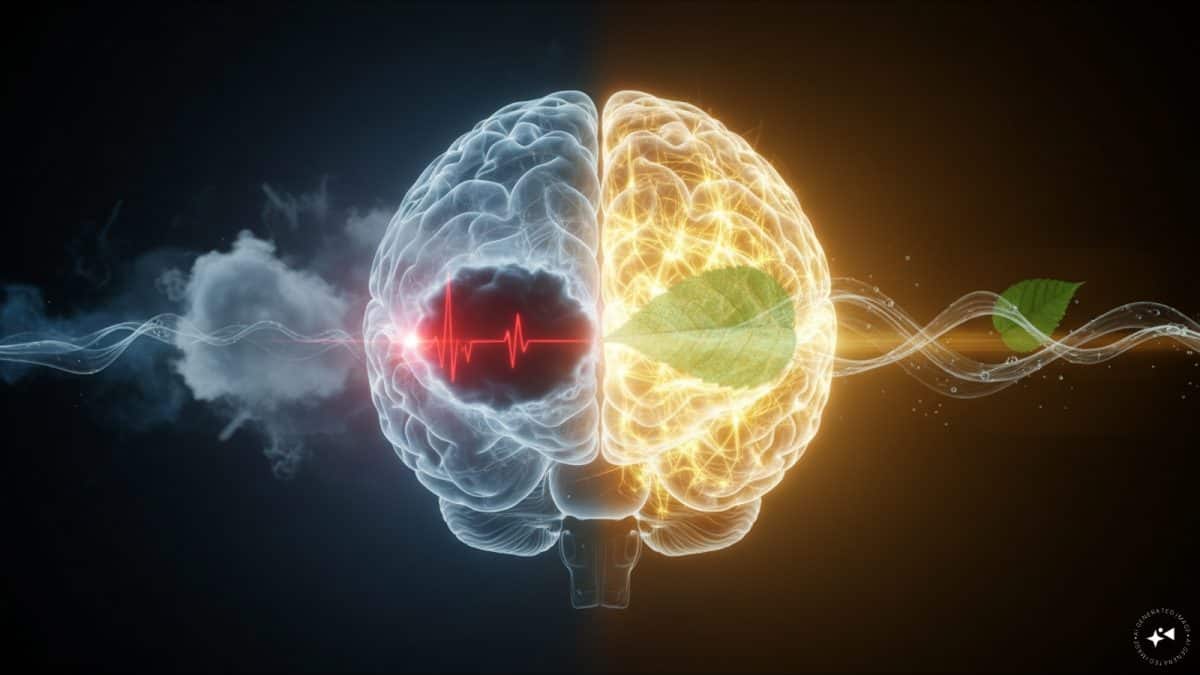
Brain tumors are not always fatal, but delayed diagnosis can be dangerous.
Experts say that persistent headaches, especially in the morning, along with vomiting, seizures, personality changes, and cognitive decline, should be checked by a doctor.
Early detection using advanced imaging techniques like MRI can help treat tumors before they cause serious damage.
Doctors also recommend a healthy lifestyle to keep the brain healthy.
While not every headache means a brain tumor, it's important to get medical help if symptoms persist or get worse.

Persistent headaches, especially in the morning, can be a sign of a brain tumor.
Early detection through MRI and other diagnostic tools can prevent serious neurological damage.
Treatment options include surgery, radiotherapy, and chemotherapy, with advanced technologies making procedures safer.
A healthy lifestyle, including regular exercise and quality sleep, can help maintain brain health.
Experts advise seeking medical attention for persistent or unusual neurological symptoms to ensure early diagnosis and treatment.
- Who
- Experts in neurosurgery and general medicine
- What
- The importance of early diagnosis and treatment of brain tumors
- When
- Ongoing concern with persistent neurological symptoms
- Where
- Globally, with specific mentions of Manipal Hospital (Jaipur) and SDM Ayurveda Pharmacy (Udupi)
- Why
- To raise awareness about the signs of brain tumors and the importance of early medical evaluation
Early Detection Advocates
General Practitioners
Importance of Early Detection
Early Detection Advocates
Early detection of brain tumors is crucial for better treatment outcomes and reducing the risk of permanent neurological damage.
General Practitioners
Not all persistent headaches indicate a brain tumor, and over-referral can strain healthcare resources.
- Common Symptoms
- Worsening morning headaches, repeated vomiting, seizures, personality changes, unexplained cognitive decline
- Diagnostic Tools
- Contrast-enhanced MRI, cognitive assessments
- Treatment Options
- Surgery, stereotactic biopsy, image-guided neuro-navigation surgery, radiotherapy, chemotherapy
- Risk Factors
- Family history of brain tumors, persistent neurological symptoms
- Preventive Measures
- Regular physical activity, quality sleep, balanced diet, meaningful social interactions, lifelong learning