Archive · 16 Sep 2026
Amazon Now Crosses $1 Billion, Targets 100 Indian Cities
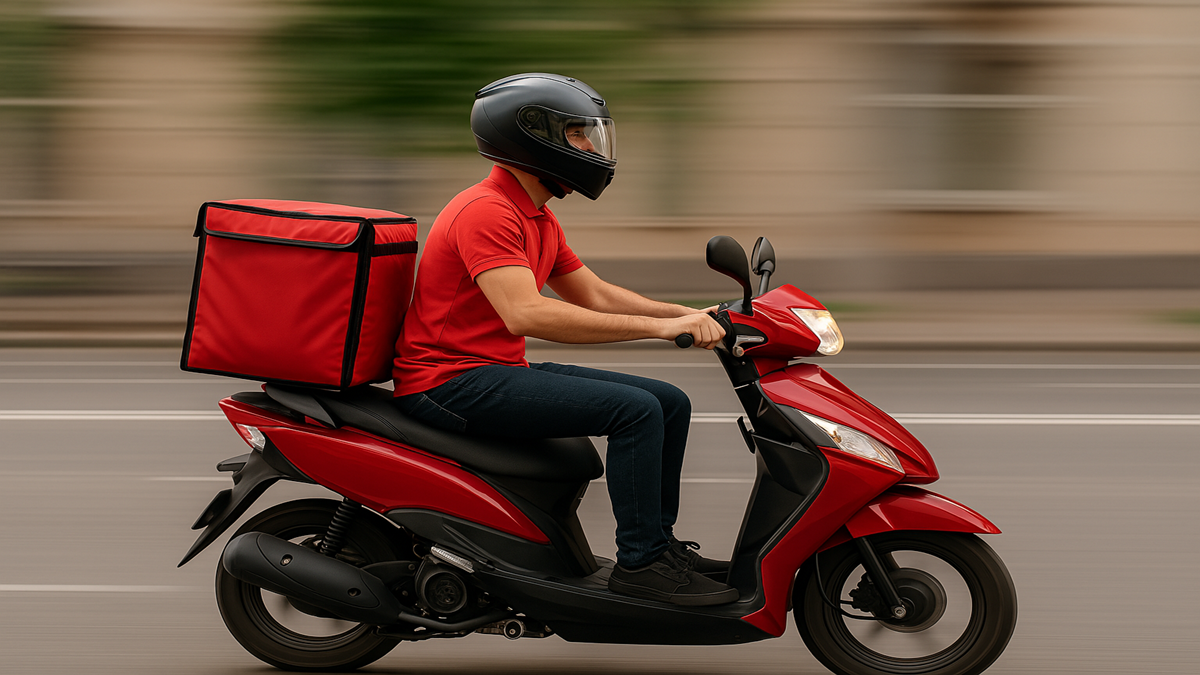
Amazon Now is a service that delivers products to people very quickly.
Amazon says it has made sales equal to $1 billion over a year, based on the last three months.
The service is now available in more than 60 Indian cities and towns.
Amazon wants to reach 100 cities by Diwali and eventually plans to reach more than 300 cities.
About 700,000 orders are reportedly placed each day, although one analyst estimate put the average order value lower than another report.
Amazon uses more than 750 fulfilment centres to prepare orders.
Analysts say some stores may not yet receive enough orders to become profitable.
Other fast-delivery companies are also growing quickly, making the market highly competitive.

Amazon Now reached $1 billion in annualised gross sales in India based on its performance over the past three months.
The service has expanded to more than 60 Indian cities and towns, four times its footprint from less than 10 weeks earlier.
Amazon says orders have doubled every quarter and that Amazon Now is on track to reach 100 cities by Diwali.
Orders are fulfilled through more than 750 micro-fulfilment and urban fulfilment centres, with about 700,000 daily orders reported by people familiar with the business.
Analysts said Amazon Now faces operational and profitability challenges as Blinkit, Zepto, Swiggy Instamart and Flipkart Minutes expand.
- Who
- Amazon and its Amazon Now service; Samir Kumar, Amazon India’s country manager, announced the sales milestone. Quick-commerce competitors include Blinkit, Zepto, Swiggy Instamart and Flipkart Minutes.
- What
- Amazon Now crossed $1 billion in annualised gross sales in India and is expanding its delivery-in-minutes service toward 100 cities by Diwali.
- When
- The milestone is based on the past three months; the announcement came ahead of the festive season. Amazon announced its broader 300-city plan in June 2026.
- Where
- Amazon Now operates in more than 60 Indian cities and towns, including Tier 2 and Tier 3 locations.
- Why
- Amazon is expanding its quick-commerce network and product selection as competition intensifies in India’s instant-delivery market.
Amazon’s Growth Claims
Analysts’ Caution
Expansion and momentum
Amazon’s Growth Claims
Amazon says Amazon Now expanded to more than 60 cities in less than 10 weeks, orders have doubled every quarter, and the service is on track to reach 100 cities by Diwali.
Analysts’ Caution
UBS said expansion had slowed during the previous two to three months because of storage, hub-to-store transfer, expiry and inventory-mismatch problems, although it expected the pause to be temporary.
Scale and competitiveness
Amazon’s Growth Claims
Amazon describes Amazon Now as the fastest-growing e-commerce business unit in Amazon India’s history and plans to build a network covering more than 300 cities.
Analysts’ Caution
A UBS report suggested Flipkart Minutes had an early edge, estimating it had more than 1,000 dark stores across 120-130 cities, compared with an estimated 500-600 Amazon Now dark stores across 11 cities at the time of its checks.
Store economics
Amazon’s Growth Claims
Amazon highlights tens of thousands of products available within minutes or a few hours, supported by a network of more than 750 fulfilment centres.
Analysts’ Caution
UBS estimated Amazon Now stores handled 700-850 orders per day, below the 1,700-1,800 orders per store it said was needed for profitability. It also estimated Amazon Now’s average order value at Rs 400-450, lower than the approximately Rs 540 figure reported elsewhere.
- Annualised gross sales
- $1 billion in India, based on the past three months
- Current reach
- More than 60 Indian cities and towns
- Diwali target
- 100 cities
- Longer-term plan
- More than 300 cities
- Fulfilment network
- More than 750 micro-fulfilment and urban fulfilment centres
- Reported daily orders
- Approximately 700,000
- Average order value
- Around Rs 540 according to people familiar with the business; UBS estimated Rs 400-450
- Reported market position
- 10% of quick-commerce orders and 14% by value, according to one report