

Archive · 23 Jul 2025
Tokenization: Crypto's Next Big Thing?
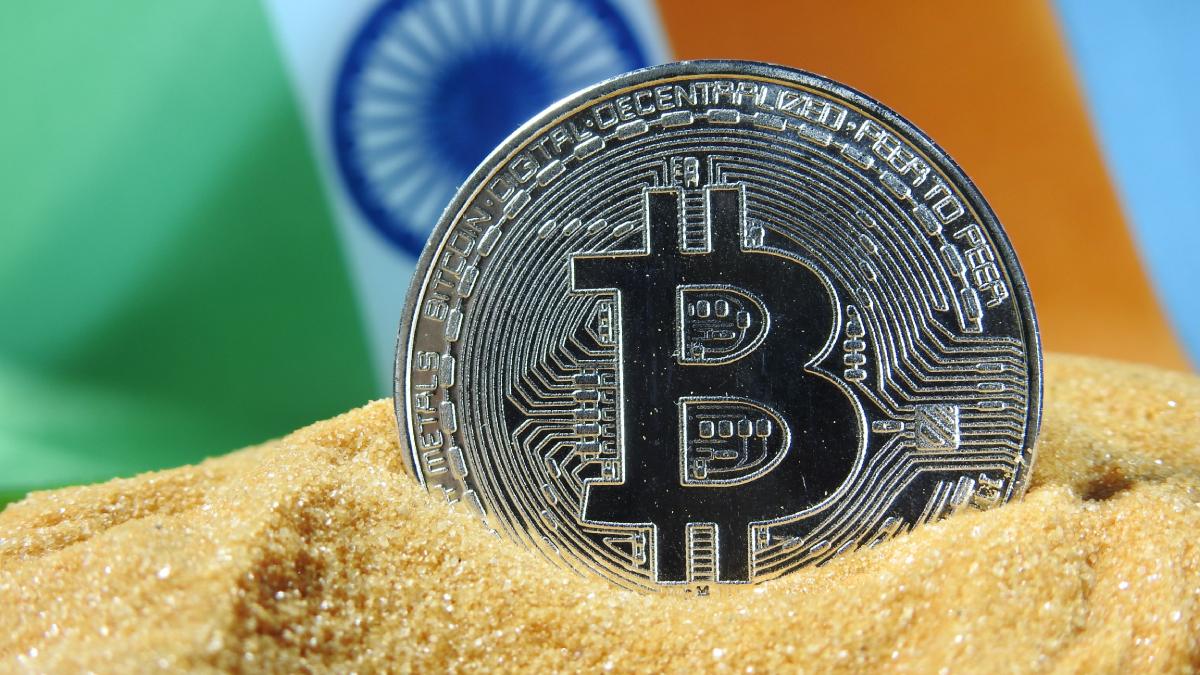
Imagine turning things like stocks and real estate into digital tokens, like in a video game.
That's tokenization!
Stablecoins, which always hold the same value, are a form of this.
Companies believe this could make trading easier.
Although some companies are beginning to get involved, the growth of this area has been slower than expected, aside from stablecoins.
New rules are coming that could help tokenization grow, but some people worry about the risks of the growing crypto world.

Tokenization transforms assets like stocks into crypto assets.
Stablecoins, pegged to real-world currencies, are an example of tokenization.
The market for tokenized assets has grown slower than expected, excluding stablecoins.
Major banks and asset managers are exploring tokenization.
New regulations, including stablecoin laws, are expected to boost tokenization.
- Who
- Banks, asset managers, and crypto enthusiasts are involved.
- What
- Tokenization, turning financial assets into crypto assets.
- When
- The technology is expected to grow rapidly in the coming years.
- Where
- The US, with potential global implications.
- Why
- To improve liquidity, access to assets, and trading efficiency.
Optimists
Critics
Efficiency and Risk
Optimists
Tokenization can improve liquidity and make asset classes more accessible.
Critics
Tokenization may introduce new systemic risks and is not necessarily more efficient than existing systems.
- Definition
- Turning financial assets into crypto assets.
- Example of Tokenization
- Stablecoins
- Stablecoin Market Value
- $256 billion
- Expected Stablecoin Market Value (by 2028)
- $2 trillion
- Key Players Interested
- Bank of America, Citi, BlackRock, Coinbase
- Regulation
- New stablecoin and market structure bills