

Archive · 8 Oct 2026
Tamil Nadu Eases Domicile Rules for Newborn Gold Ring Scheme
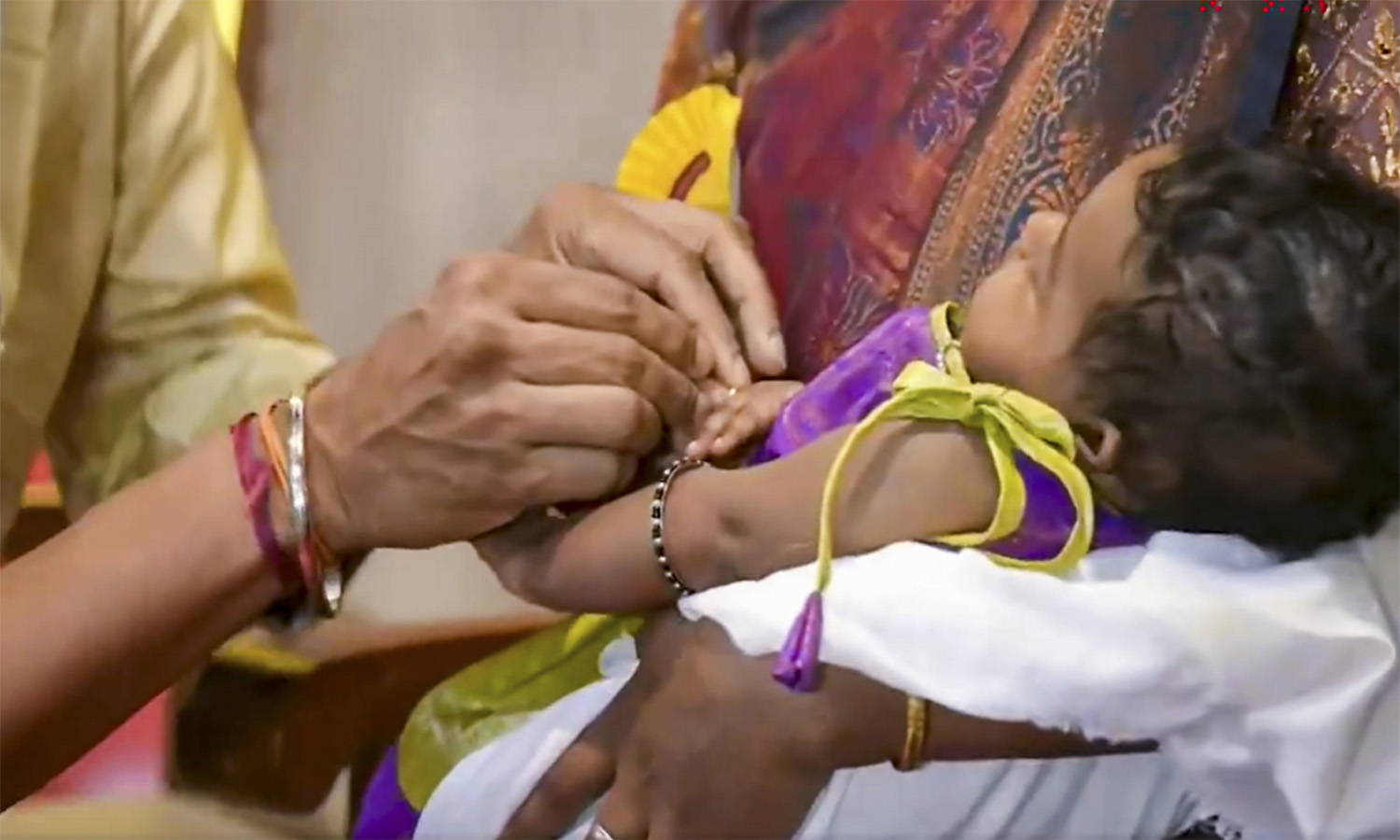
Tamil Nadu gives some newborn babies a free gold ring.
The government changed who can receive one.
Before, the mother had to be a permanent resident of Tamil Nadu.
Now, a baby born in a government hospital can qualify even if the mother moved away after marriage.
The baby's maternal grandparents must still live permanently in Tamil Nadu.
The family needs documents to prove this.
The change applies from June 22, 2026.
Officials said the change followed reports that some mothers returning to their parental homes to give birth could not get the ring.

Tamil Nadu has revised eligibility rules for its Thaimaaman Thanga Mothiram Thittam scheme.
Babies born in government hospitals can qualify even if their mothers live outside the state after marriage.
Families must show that the child's maternal grandparents are permanent residents of Tamil Nadu.
The scheme provides an eligible newborn with a free one-gram gold ring.
The revised rules apply retrospectively from June 22, 2026, after implementation monitoring found some mothers were excluded.
- Who
- Newborns delivered in Tamil Nadu government hospitals whose maternal grandparents are permanent residents of the state.
- What
- Eligibility rules for the Thaimaaman Thanga Mothiram Thittam free gold ring scheme have been broadened.
- When
- The revised rules apply retrospectively from June 22, 2026.
- Where
- Tamil Nadu, India.
- Why
- Monitoring found that mothers who moved out of the state after marriage and returned to their parental homes to give birth could not qualify under the original rules.
- Scheme
- Thaimaaman Thanga Mothiram Thittam
- Benefit
- A free one-gram gold ring for eligible newborns
- Delivery requirement
- The baby must be delivered in a state-run government hospital
- Residency requirement
- The maternal grandparents must be permanent residents of Tamil Nadu
- Proof required
- Valid documentary evidence of the grandparents' permanent residency
- Effective date
- June 22, 2026, retrospectively
- Guidelines issued by
- Tamil Nadu Health and Family Welfare Department