1 hr ago
Raj Reddy’s Early Speech Research Helped Shape Modern Voice Assistants
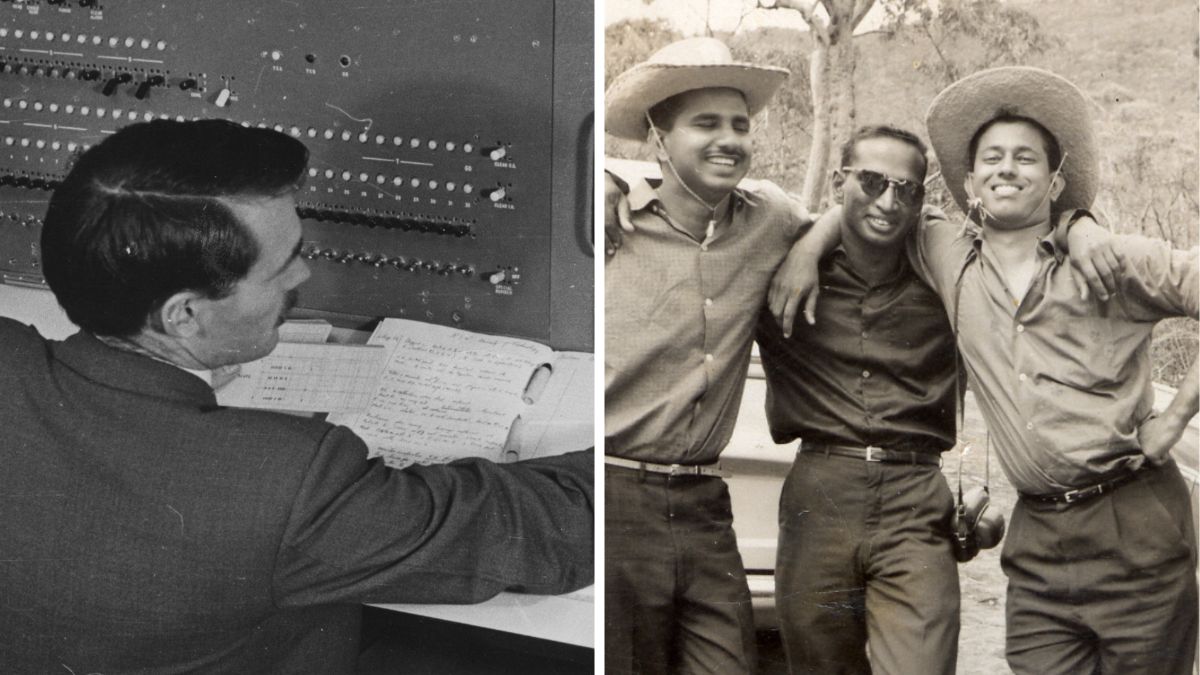
Raj Reddy grew up in a small village in Andhra Pradesh and later became a computer scientist.
He first studied civil engineering, but became interested in computers and artificial intelligence.
At Carnegie Mellon University, he and his research team taught computers to understand people speaking in connected sentences.
Their systems used new ways to combine clues and choose likely words.
Later researchers built on these ideas to make speech technology more useful.
People who worked with Reddy have said his research helped prepare the way for today’s voice assistants.
Reddy also worked to expand education and technology opportunities for rural students.
In 1994, he shared computing’s ACM Turing Award.

Born in Katur, Andhra Pradesh, Reddy became a pioneering computer scientist after studying civil engineering.
At Carnegie Mellon University, he and his colleagues developed influential speech-recognition systems, including Hearsay-I, Hearsay-II and Harpy.
The research advanced continuous speech recognition and introduced methods that influenced later speech and AI technologies.
Former student Kai-Fu Lee and Apple’s Alex Acero have credited Reddy’s work with helping lay foundations for modern voice interfaces.
Reddy shared the 1994 ACM Turing Award with Edward Feigenbaum for pioneering large-scale artificial intelligence systems.
- Who
- Dabbala Rajagopal “Raj” Reddy, a computer scientist, and colleagues and students who worked on speech recognition.
- What
- Reddy’s early research advanced continuous speech recognition and helped establish foundations for later voice technologies.
- Where
- The research was conducted at Carnegie Mellon University in Pittsburgh, after Reddy’s earlier studies at Stanford University.
- When
- His pioneering speech-recognition work took place mainly in the 1970s; he received the ACM Turing Award in 1994.
- Why
- Reddy explored how computers could understand spoken language and make large-scale artificial intelligence systems practical.
Research legacy
Limits of attribution
How directly Reddy’s work led to modern assistants
Research legacy
Apple’s Alex Acero and former student Kai-Fu Lee credited Reddy’s early research with helping lay the groundwork for modern voice interfaces.
Limits of attribution
The article notes that today’s systems are far more advanced; it describes Reddy’s work as foundational rather than suggesting that it alone produced current assistants.
Key facts
- Born
- June 13, 1937, in Katur, Andhra Pradesh
- Early career
- Studied civil engineering before moving into computer science and artificial intelligence
- Carnegie Mellon
- Joined the university in 1969
- Speech systems
- Work associated with Hearsay-I, Hearsay-II, Dragon and Harpy
- Turing Award
- Shared the 1994 ACM Turing Award with Edward Feigenbaum
- Robotics Institute
- Became its founding director in 1979 or 1980, according to the article
- Later recognition
- Received India’s Padma Bhushan in 2001
Quotes
Alex Acero
Apple Senior Director and Chief Scientist for Siri.
“A lot of these technologies that we take for granted are something that Raj had the foresight decades ago to get started.”
 financialexpress.com

Kai-Fu Lee
AI pioneer and former doctoral student of Raj Reddy.
“I remember when I started at Carnegie Mellon… Raj was the one who showed me a vision where in the future people can talk to computers, and how this would change the world.”
financialexpress.com
Sources
Related news
Kanwal Rekhi’s Journey from $8 Immigrant to Silicon Valley Mentor
Sethuraman Panchanathan Wins 2026 Arthur M. Bueche Award
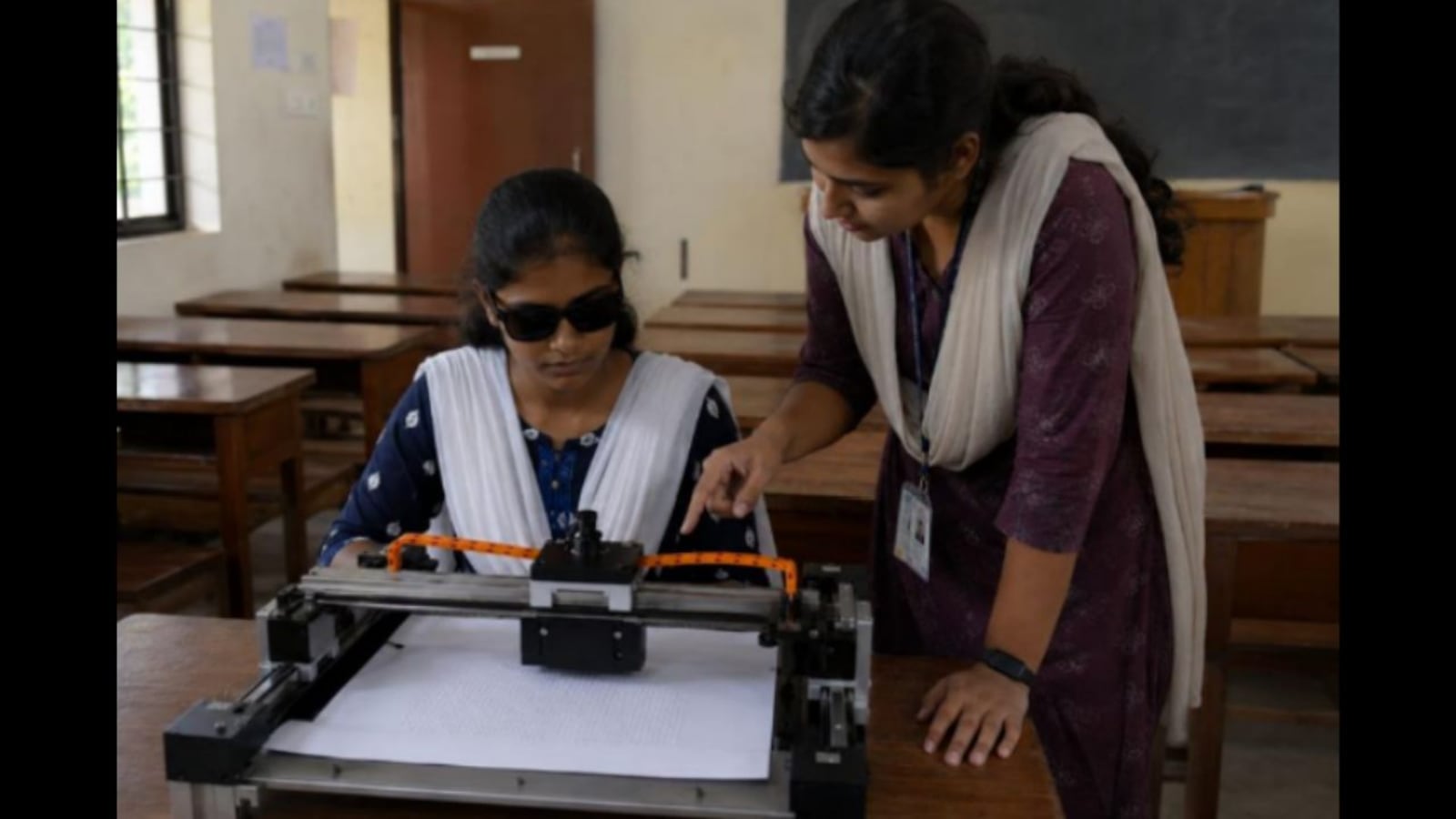
Student’s Voice-Enabled Braille Printer Wins 2026 James Dyson Award

From Panoh to Zscaler: Jay Chaudhry’s Billion-Dollar Journey

Bodhan AI and AI4Bharat Release Open Indic-Language Models
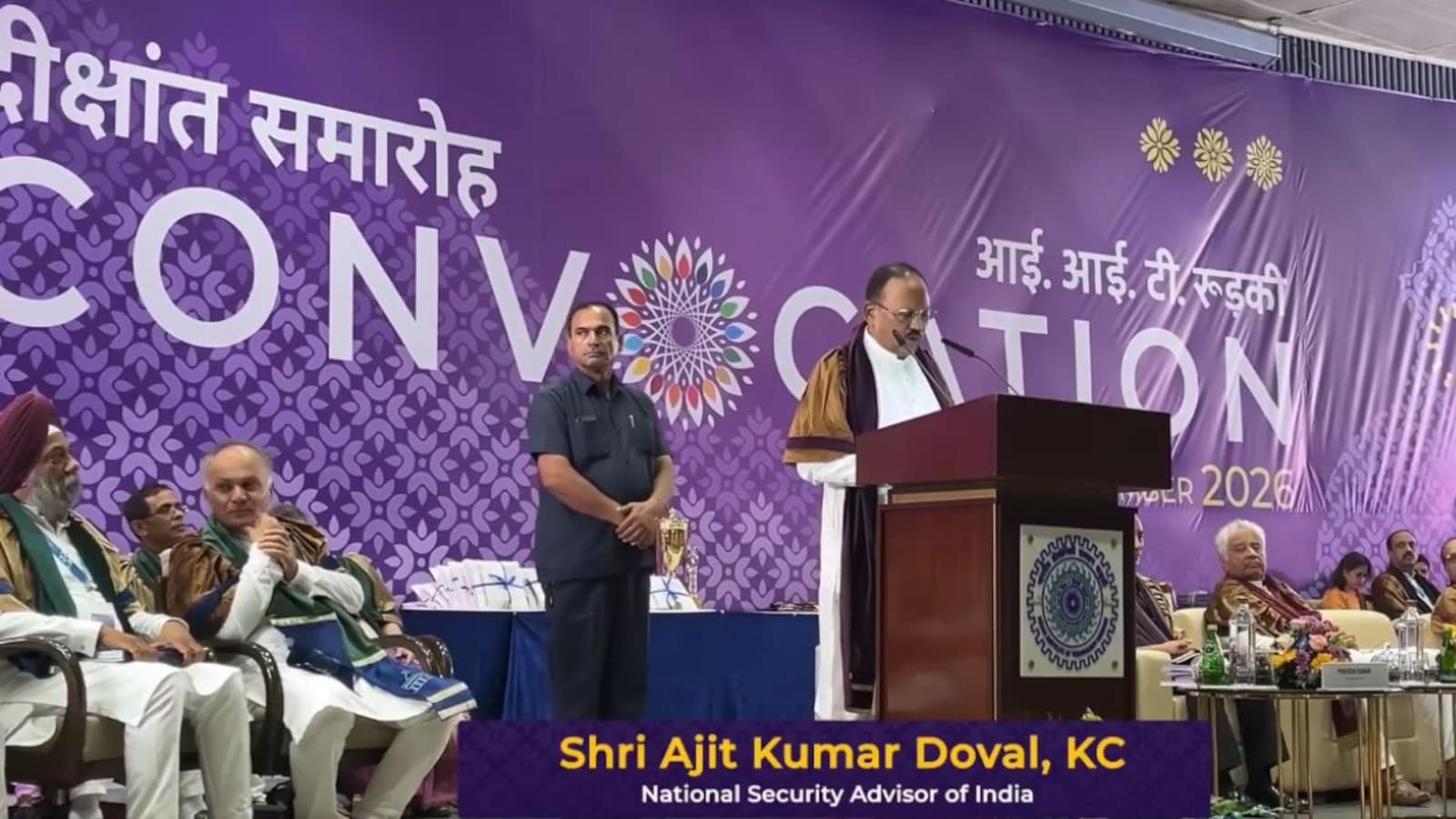
Ajit Doval Calls IIT Roorkee Graduates Luckiest Generation
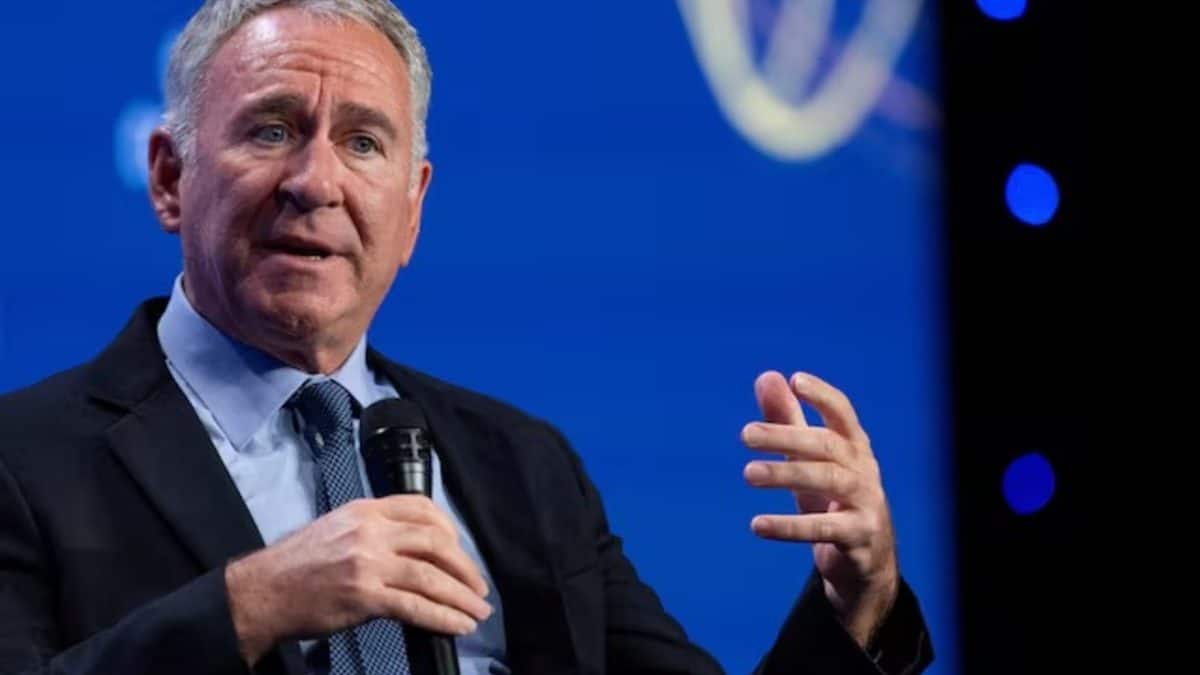
Ken Griffin Pledges Record $3 Billion to Carnegie Mellon

OpenAI Discloses Six AI Misalignment Cases and New Framework
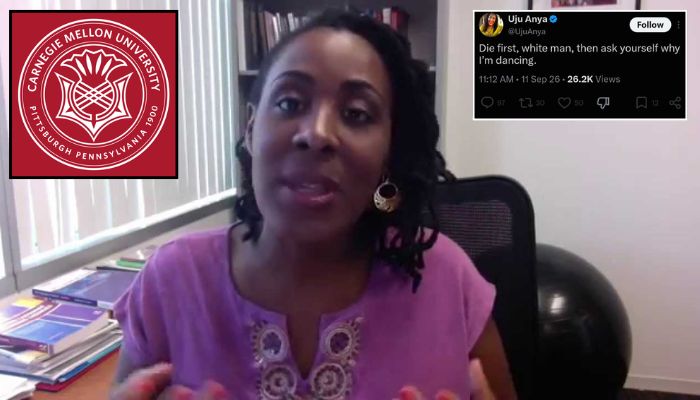
Carnegie Mellon Reviews Uju Anya’s Controversial Social Media Posts
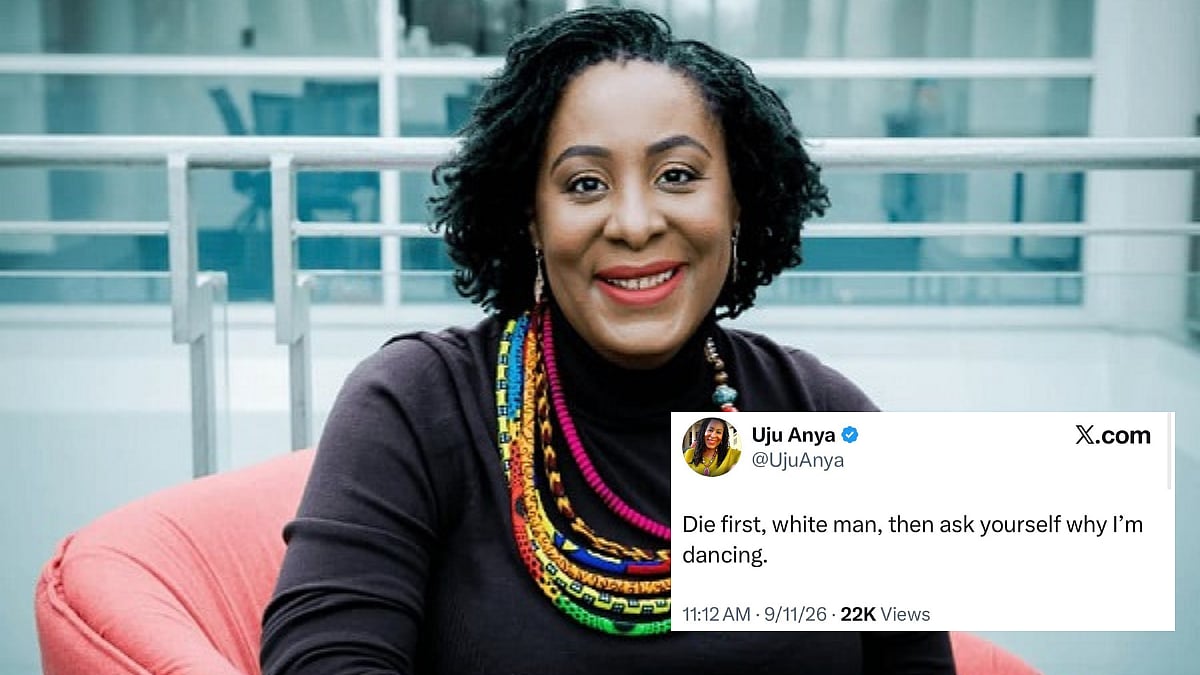
Carnegie Mellon Reviews Professor Uju Anya’s Hostile Social Media Posts