Archive · 7 Jan 2026
US-China Rivalry: Chess, Not Cold War
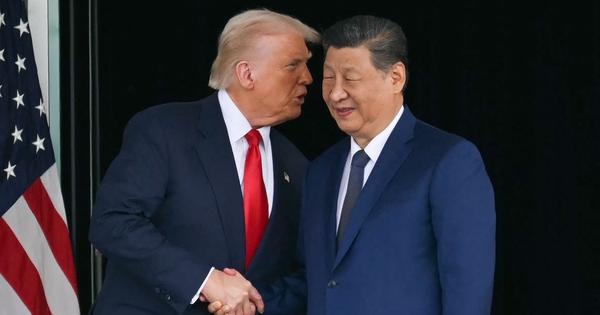
The United States and China are like two players in a game of chess.
They compete economically and technologically, but it's not like the old Cold War.
Back then, countries were divided by their ideologies and didn't trade much.
Now, the world is more connected.
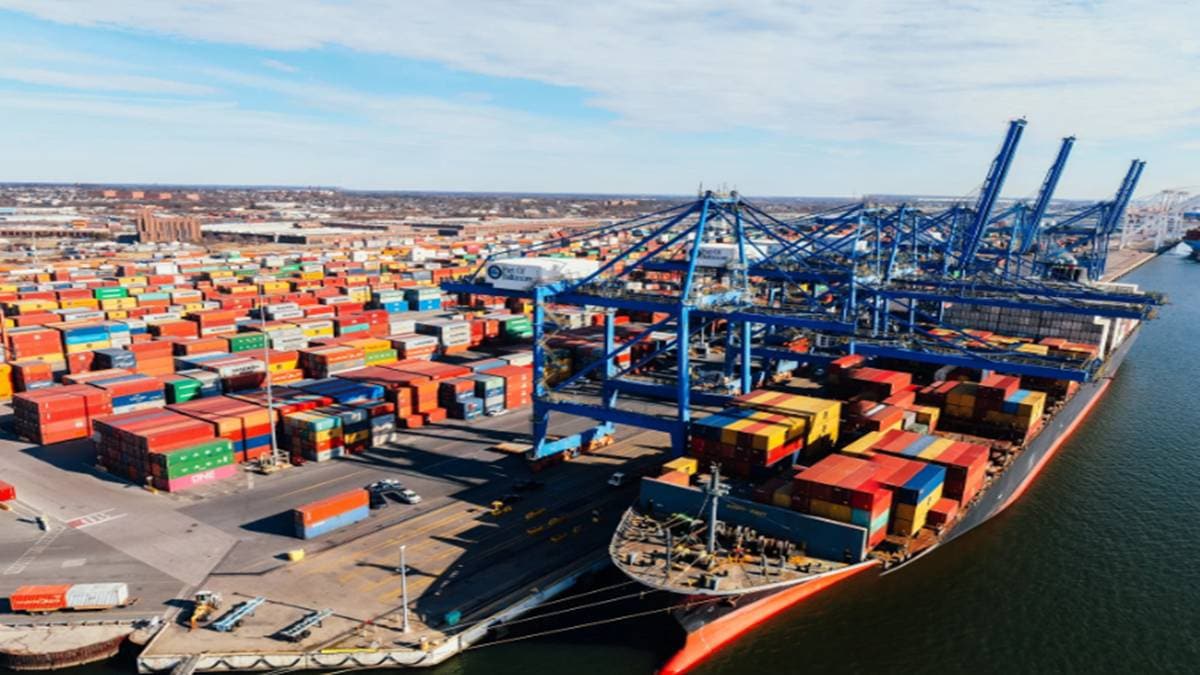
China makes things and sells them to the US, while the US provides technology and investment.
Both countries depend on each other, even if they have some trade disputes.
Other countries like Russia and India also play important roles.
The US sees China as a rival, but not an enemy, and they can still talk and make deals.
It's a complex game, but not a full-blown conflict.

US National Security Strategy emphasizes economic rivalry with China over ideological confrontation.
Global economic landscape is interconnected through global value chains, making decoupling costly.
China and the US are interdependent, with China relying on US markets and the US benefiting from cheap Chinese goods.
Trade fragmentation is occurring, but not to the extent of Cold War-era decoupling.
Other players like Russia and India have significant roles in the geopolitical and economic landscape.
- Who
- United States and China
- What
- Economic and technological rivalry
- When
- Ongoing, with recent emphasis in 2024
- Where
- Globally, with focus on US and China
- Why
- Domestic economic constraints and strategic interests
- US National Security Strategy
- Emphasizes economic rivalry with China
- China's exports to US
- $525 billion in 2024
- China's share of US imports
- 15% of total merchandise exports
- US inflation increase due to tariffs
- 0.5 percentage points (June-August 2025)
- Key connectors in trade
- Vietnam, Thailand, Mexico
- Russia's economic dependence
- Energy and commodity exports
- India's potential role
- Future market for goods and services