Archive · 18 Sep 2026
Tata Sons Board Reappoints Chandrasekaran Amid Trusts Challenge
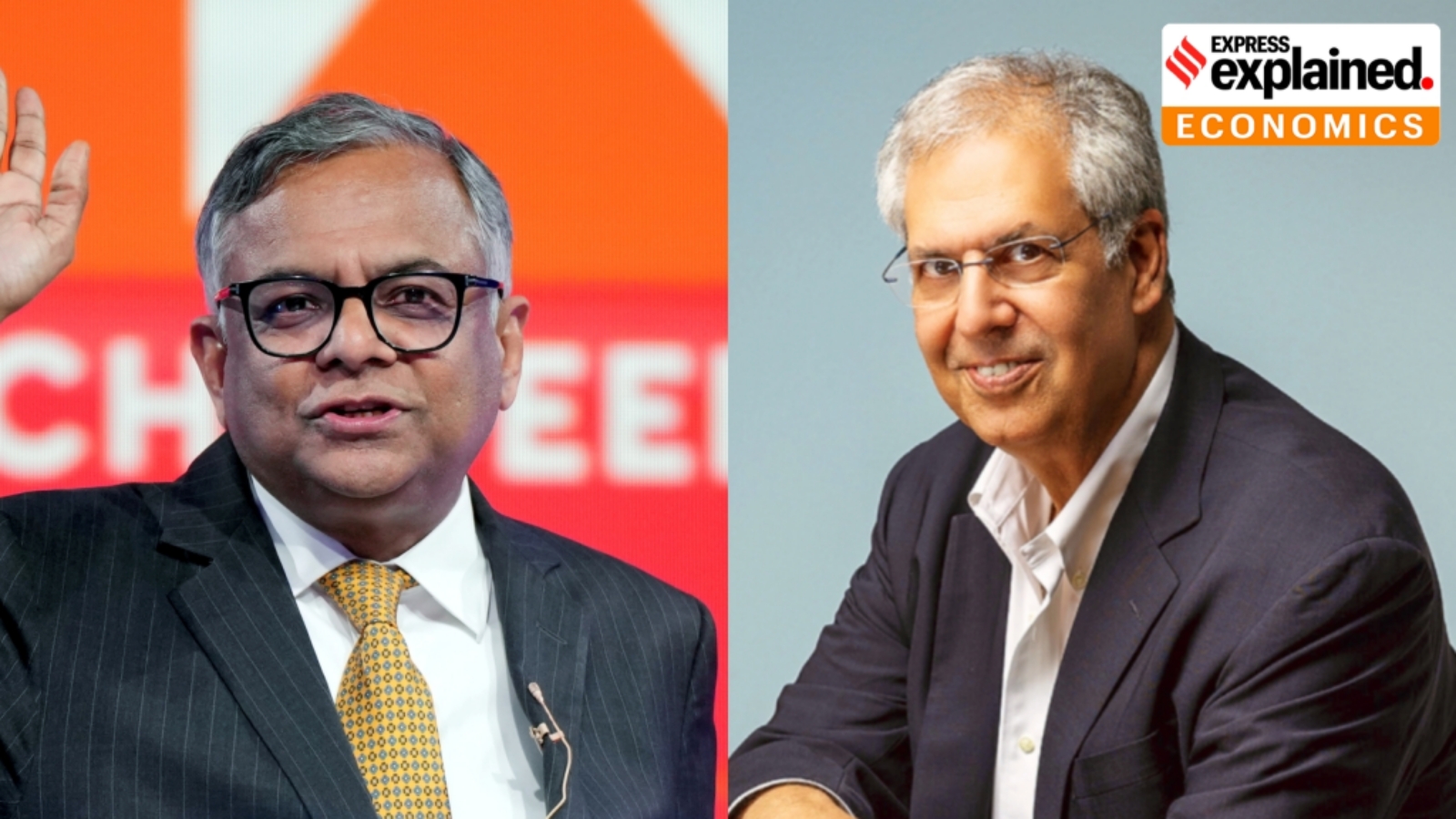
Tata Sons is the company that sits at the center of the Tata business group.
Its board voted to keep N Chandrasekaran as chairman for five more years.
Chandrasekaran had earlier said he would leave when his current term ends on February 20, 2027.
Four directors supported keeping him, but Noel Tata voted against it.
Noel leads Tata Trusts, which control about two-thirds of Tata Sons.
The Trusts say the vote is invalid because both of their nominated directors needed to support it.
The board also decided to start addressing Reserve Bank of India rules that could require Tata Sons to list its shares.
The Trusts oppose treating listing as the only option because they say it could change the company’s charitable purpose.
The dispute may now move to the annual general meeting, regulators, or legal forums.

The Tata Sons board voted 4-1 to give N Chandrasekaran another five-year term as executive chairman.
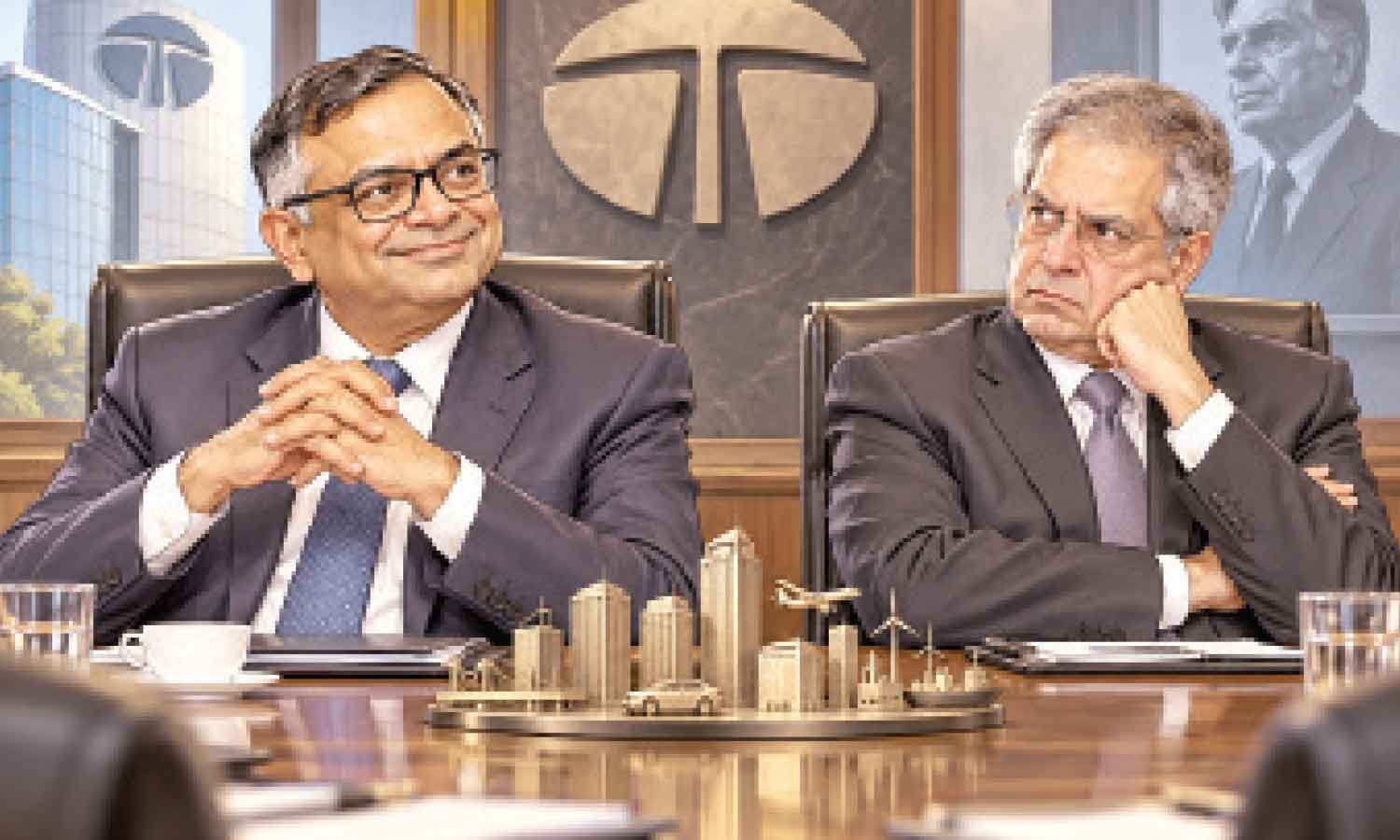
Noel Tata opposed the reappointment, while fellow Tata Trusts nominee Venu Srinivasan supported it.
Tata Trusts, which control about 66% of Tata Sons, called the resolution a “legal nullity.”
The Trusts argue that both nominee directors must approve a chairman’s appointment under Tata Sons’ Articles of Association.
The board moved toward RBI compliance and a possible listing, while the Trusts demanded that alternatives to listing be examined.
- Who
- N Chandrasekaran, the Tata Sons board, Noel Tata, Tata Trusts, and Trust nominee Venu Srinivasan are the main parties.
- What
- The board approved Chandrasekaran’s reappointment, while Tata Trusts challenged the vote and disputed the company’s approach to a possible listing.
- When
- The disputed board meeting took place on Thursday, September 17; Chandrasekaran’s current term ends on February 20, 2027.
- Where
- The meeting took place at Bombay House.
- Why
- The board cited continuity and the wider interests of the Tata group, while Tata Trusts said Chandrasekaran’s departure had already been accepted and objected to the interpretation of the company’s Articles.
Tata Sons Board
Tata Trusts
Chandrasekaran’s future
Tata Sons Board
The board said its nomination committee asked Chandrasekaran to reconsider, he agreed, and the board then approved another five-year term by majority vote.
Tata Trusts
The Trusts said Chandrasekaran’s decision to leave had been accepted, had become final, and should be followed by a succession process.
Validity of the reappointment
Tata Sons Board
The board proceeded on the basis of a majority vote after four directors supported the resolution, with legal advice sought about the Trust nominees’ rights.
Tata Trusts
The Trusts said both nominee directors had to be present and vote in favour, making the resolution legally void because Noel Tata opposed it. Noel also submitted a legal opinion from former Chief Justice D Y Chandrachud supporting this interpretation.
Tata Sons listing
Tata Sons Board
The board decided to begin steps toward complying with RBI requirements, which could require Tata Sons to list its shares.
Tata Trusts
Tata Trusts said listing should not be treated as the only option and argued that making Tata Sons public could weaken its philanthropic and national-service character.
- Board vote
- Four directors supported Chandrasekaran’s reappointment and Noel Tata opposed it; Chandrasekaran did not vote.
- Proposed term
- Chandrasekaran was approved for another five-year term as executive chairman.
- Trust ownership
- Tata Trusts and affiliated trusts control about 66% of Tata Sons.
- Trusts’ objection
- Tata Trusts called the reappointment resolution a “legal nullity.”
- Articles dispute
- The Trusts say both Trust-nominated directors, Noel Tata and Venu Srinivasan, had to support the reappointment.
- RBI issue
- The board said it would initiate steps toward compliance with applicable Reserve Bank of India requirements; the Trusts said all available alternatives to listing should be assessed.
- AGM uncertainty
- The annual general meeting was adjourned for lack of quorum and has yet to be reconvened, according to the articles.