

Archive · 25 Jul 2025
NEP 2020: Mixed Results in Higher Education Reform Five Years On
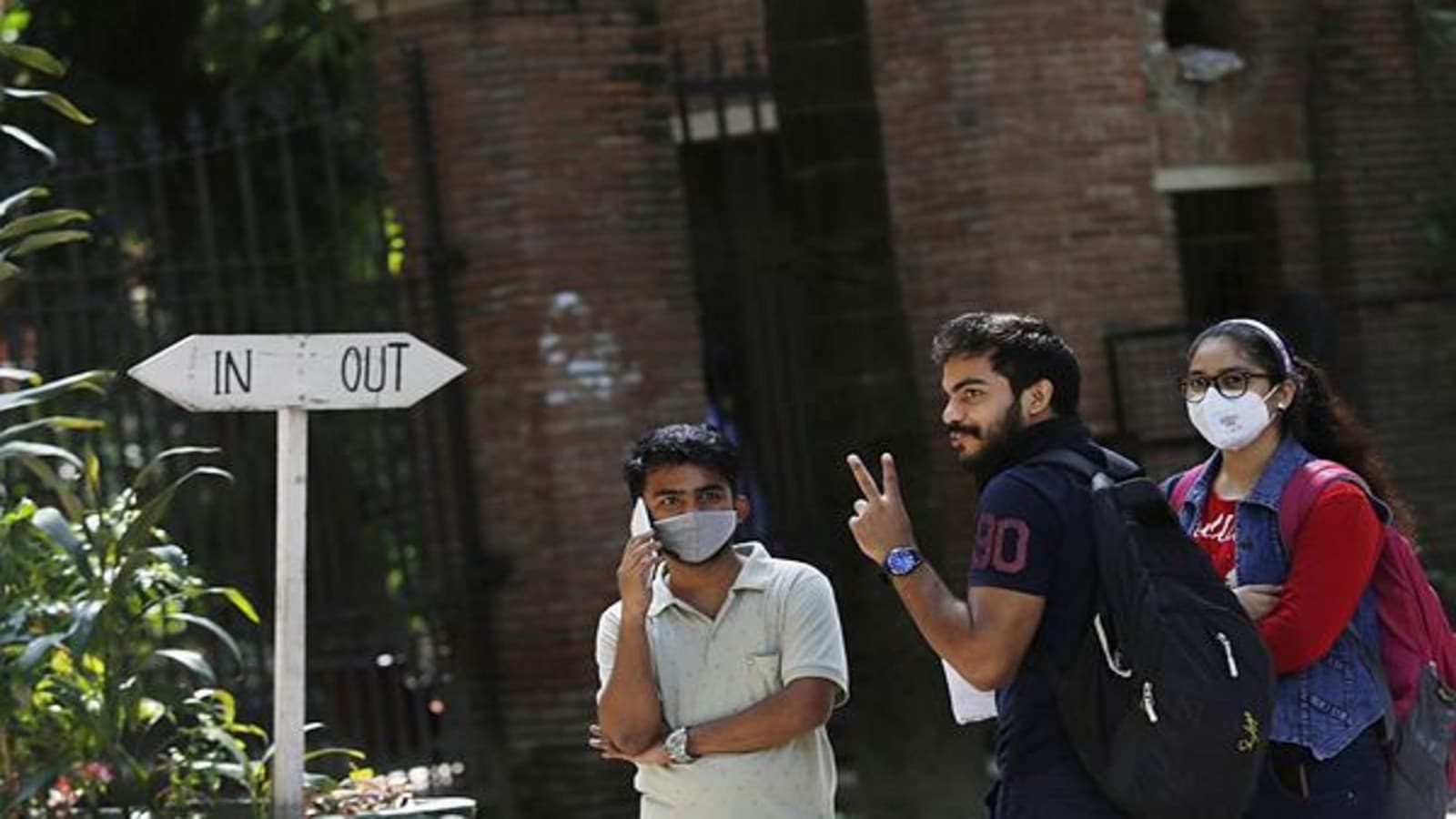
The National Education Policy (NEP) 2020 aimed to improve Indian education.
It made it easier to change courses and added new subjects, but some things aren't working as well.
For example, not many schools let students easily start and stop their studies.
Schools offer help for students' feelings, but don't often work with special mental health places.
Also, experts from businesses aren't teaching much.
Digital learning is growing, but not everyone can use it.
Overall, the policy is changing how education is seen, but needs more work to succeed fully.

NEP 2020 has led to curricular flexibility but faces implementation challenges.
Only 36% of higher education institutions (HEIs) have implemented multiple entry and exit points.
Mental health support is available, but specialized partnerships are rare.
Appointment of 'Professors of Practice' and industry collaboration in curriculum design are limited.
Digital learning adoption is high, but equitable access remains a challenge.
- Who
- Higher education institutions (HEIs) in India
- What
- Progress and challenges of the National Education Policy (NEP) 2020
- When
- Five years after NEP 2020 approval (July 2020)
- Where
- India, across 24 states and union territories in higher education institutions
- Why
- To assess the progress of the NEP 2020 implementation and identify challenges
Progress
Challenges
Implementation vs. Aims
Progress
Greater curriculum flexibility and integration of Indian Knowledge Systems.
Challenges
Implementation challenges like multiple entry/exit points and limited industry collaboration.
- Curriculum Flexibility
- Offered by nearly 90% of institutions
- Multiple Entry/Exit Points Implementation
- 36% of HEIs
- Institutions with Student Service Centers
- 86%
- HEIs with partnerships for mental health
- 14%
- HEIs with Professor of Practice
- 14%
- HEIs using digital learning platforms
- 96%
- Institutions offering IKS electives
- 38%