Archive · 18 Sep 2026
Tata Electronics Expands Semiconductor Ecosystem With 16 Partnerships
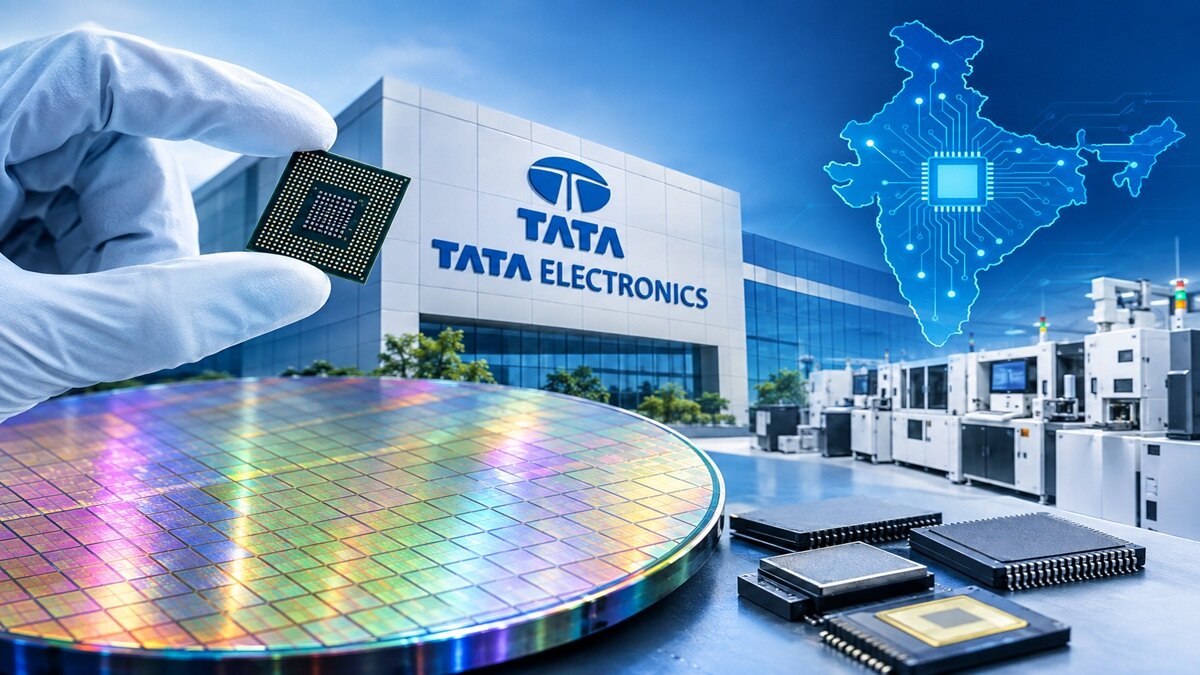
Tata Electronics announced seven agreements to help build India’s semiconductor industry.
It plans to sign nine more agreements during the same event.
Semiconductors are tiny parts used in many electronic devices.
The partners will help make chips, package them, supply materials, build supplier facilities and train workers.
Nexperia will work with Tata on chip production and testing.
Fujifilm plans to invest about Rs 800 crore in a materials plant in Dholera.
Besi will support advanced packaging equipment and training in Jagiroad.
Other partners will help with chip design, chemicals, suppliers and education.
The agreements are promises to work together, but they are not immediate sales contracts.

Tata Electronics announced seven semiconductor MoUs and plans nine additional agreements during Semicon India 2026.
The partnerships span wafer fabrication, advanced packaging, chip design, materials, supplier infrastructure and workforce training.
Fujifilm plans to invest around Rs 800 crore in phases on a semiconductor materials plant in Dholera, Gujarat.
Tata Electronics is investing $3 billion in its advanced packaging facility in Jagiroad, Assam, while its Dholera fab is described as an $11 billion project.
The company says it has created more than 150,000 direct jobs, with women representing 65% of its workforce.
- Who
- Tata Electronics, led by CEO and Managing Director Randhir Thakur, along with Nexperia, Fujifilm, Besi, the Semi-Conductor Laboratory and other partners.
- What
- The company announced seven semiconductor partnerships and plans to sign nine additional agreements.
- When
- The first seven agreements were announced on the first day of Semicon India 2026, held in September 2026; the event runs through September 19.
- Where
- The partnerships support projects in Dholera, Gujarat, and Jagiroad, Assam, with additional training in Iowa, United States.
- Why
- To develop semiconductor manufacturing, advanced packaging, materials, supplier infrastructure, supply-chain localisation and specialised skills in India.
Strategic ecosystem commitment
Caution on immediate value
Meaning of the MoUs
Strategic ecosystem commitment
Tata Electronics describes the agreements as mutual operational commitments that begin technology cooperation, infrastructure development, supplier localisation and workforce training.
Caution on immediate value
The company also acknowledges that the MoUs are not immediate revenue-generating contracts and that their financial value will come later as the ecosystem becomes operational.
- Partnerships
- Seven MoUs announced, with nine more agreements planned
- Fujifilm investment
- Around Rs 800 crore in phases for a semiconductor materials plant in Dholera
- Jagiroad investment
- Tata Electronics is investing $3 billion in its advanced packaging facility
- Dholera project
- The Dholera fab is described as an $11 billion project
- Employment
- More than 150,000 direct jobs created; women account for 65% of the workforce
- Dholera supplier network
- More than 450 ecosystem partners are involved, and a 363-acre vendor park is planned
- Training
- About 300 fresh graduates are being trained at partner PSMC’s laboratory in Iowa