

Archive · 18 Jan 2026
Bengaluru: India's Flower City Beyond Tech
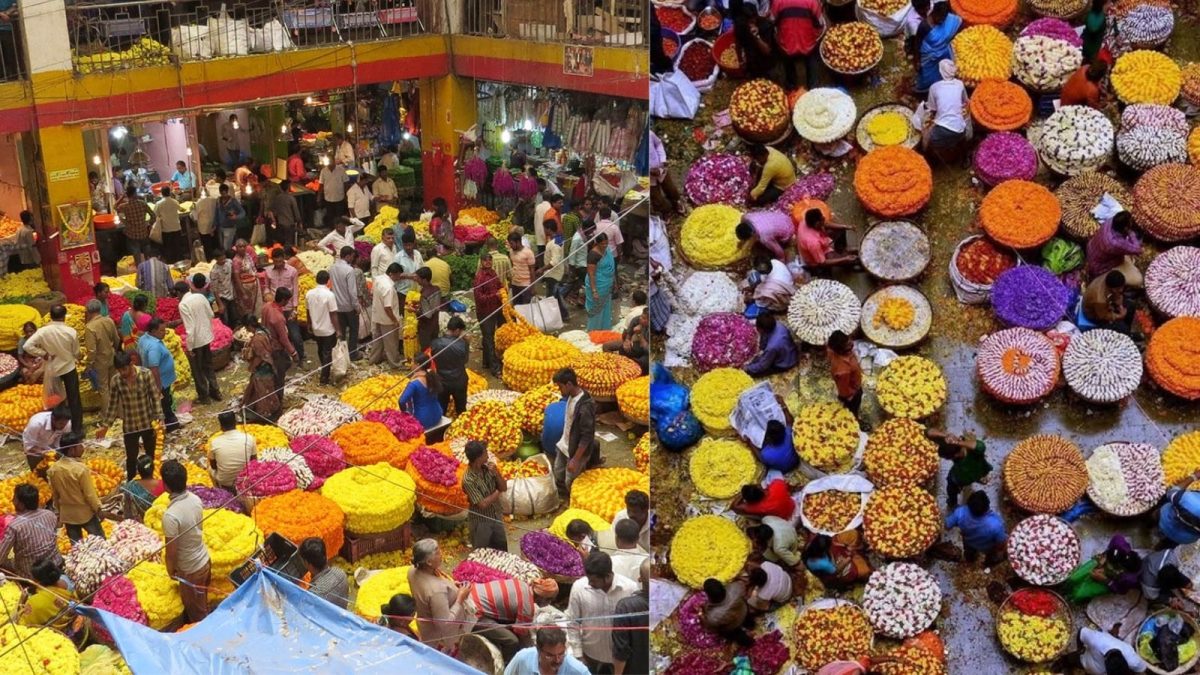
Bengaluru is not just known for its technology but also for its beautiful flowers.
The city has a perfect climate and good soil, which helps flowers grow all year round.
Farmers grow many types of flowers like roses and jasmine, which are sold in big markets and even sent to other countries.
These flowers are used in temples, weddings, and homes, making Bengaluru an important place for flowers in India.
The city has a long history of loving flowers, with famous gardens like Lalbagh.
This makes Bengaluru not just a tech hub but also India's Flower City.

Bengaluru is known as India's Flower City due to its ideal climate and fertile soil for year-round flower cultivation.
Major flowers grown include roses, jasmine, marigolds, chrysanthemums, tuberoses, and orchids, supplied to markets across India and exported globally.
The city's flower markets are bustling hubs where traders distribute flowers to temples, homes, and event venues daily.
Historical landmarks like Lalbagh Botanical Garden have played a crucial role in promoting horticulture and plant research.
Bengaluru's flower industry supports local farmers and traders, contributing significantly to the city's economy and cultural identity.
- Who
- Farmers, traders, and residents of Bengaluru and nearby districts
- What
- Bengaluru's role in India's flower economy
- When
- Throughout the year, with a long history dating back centuries
- Where
- Bengaluru, Karnataka, and surrounding regions
- Why
- Due to its pleasant climate, fertile soil, and historical connection to floriculture
- City
- Bengaluru, Karnataka
- Climate
- Pleasant, moderate temperatures, abundant sunlight
- Key Flowers
- Roses, jasmine, marigolds, chrysanthemums, tuberoses, orchids
- Major Markets
- Kolar, Chikkaballapur, Tumakuru, surrounding rural areas
- Export Destinations
- Middle East, Europe, Southeast Asia
- Historical Significance
- Lalbagh Botanical Garden, colonial-era gardens
- Economic Impact
- Supports local farmers, traders, and global exports