

Archive · 23 Jul 2025
Iron Ore Prices Fall Amidst Increased Supply and Policy Shifts
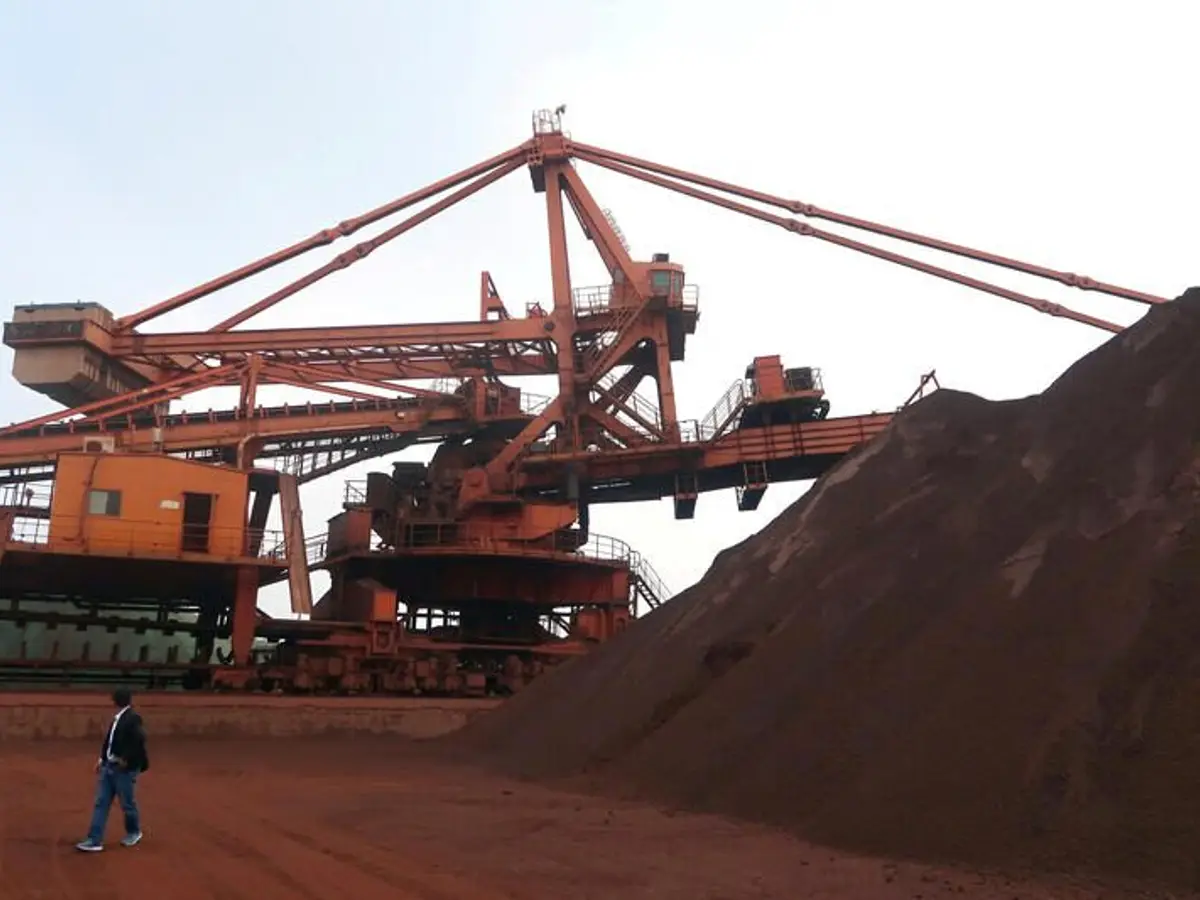
Imagine iron ore, the stuff used to make steel, like a rollercoaster.
Recently, it went up because China planned new construction projects.
But now, it's going down.
This is happening because Brazil is producing more iron ore, and China, the big buyer, is changing its rules.
They want steel mills to make more money, which could help iron ore prices.
But, they also want less steel to be made overall.
So, even though there's a plan to build things, they want to limit the amount of steel being made.
This makes it hard to tell if the price will go up or down.

Iron ore prices dipped after rising due to factors including China's infrastructure push.
Vale SA reported its highest iron ore output since 2021 in the second quarter.
China's steel sector is experiencing supply-side reforms which could boost mill profits.
Authorities are curbing overproduction which may dampen overall iron ore demand.
Futures for rebar and hot-rolled coil also fell in Shanghai alongside iron ore.
- Who
- Investors and traders are responding to the changes.
- What
- Iron ore prices decreased due to increased supply and changes in China's steel policies.
- When
- Prices dropped on Wednesday after rising in the prior two sessions.
- Where
- Iron ore futures were traded in Singapore and Shanghai.
- Why
- Due to increased supply from Brazil and changing demand signals from China's steel sector.
Positive Impacts of Reform
Negative Impacts of Reform
Impact on Demand
Positive Impacts of Reform
Increased mill profitability through supply-side reforms.
Negative Impacts of Reform
Possible dampening of overall iron ore demand through production curbs.
- Iron Ore Price Drop
- $104.25 per tonne (futures)
- Vale SA Output
- 83.6 million tonnes (April-June quarter)
- Previous Price Rally
- Over 4% in two sessions
- China's Steel Policy
- Supply-side reforms and curbs on overproduction