7 months ago
WHO Sets Global Standards for Ayurveda
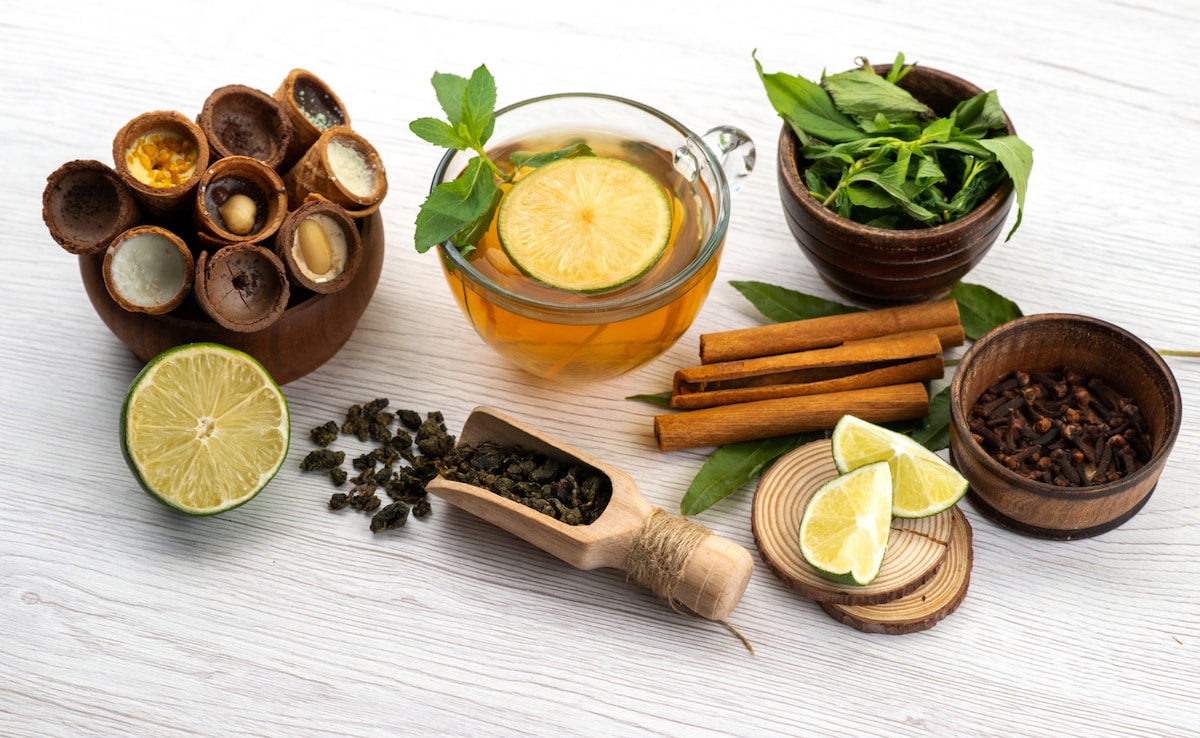
The World Health Organization (WHO) and India's Ministry of AYUSH held a big meeting in New Delhi in December 2025.
They made a plan called the Delhi Declaration to use traditional medicine like Ayurveda safely and effectively around the world.
They also created rules for how Ayurveda should be practiced and taught.
This is part of a bigger plan to make traditional medicine a regular part of healthcare everywhere.
They even made a special library with lots of information about traditional medicine to help with research and learning.

The WHO and India's Ministry of AYUSH co-hosted the Second WHO Global Summit on Traditional Medicine in New Delhi in December 2025.
The Delhi Declaration was adopted, pledging to integrate safe, evidence-based traditional medicine into national health systems.
WHO published Global Benchmarks for the Practice and Training of Ayurveda, defining minimum global standards for quality, safety, education, and regulatory oversight.
The AYUSH Ministry launched the Ayush Mark standard for traditional medicine.
The developments align with the WHO Global Traditional Medicine Strategy 2025-2034, aiming to strengthen evidence, safety, regulation, and system integration of traditional medicine worldwide.
- Who
- WHO, India's Ministry of AYUSH, delegates from over 100 countries
- What
- Adoption of the Delhi Declaration and Global Benchmarks for Ayurveda
- Where
- New Delhi, India
- When
- December 2025
- Why
- To integrate safe, evidence-based traditional medicine into national health systems
Key facts
- Event
- Second WHO Global Summit on Traditional Medicine
- Location
- New Delhi, India
- Participants
- Delegates from over 100 countries
- Key Documents
- Delhi Declaration, Global Benchmarks for Ayurveda
- WHO Library
- 1.5 million scientific resources
- Ayush Mark
- New global standard for traditional medicine
- Strategy Period
- 2025-2034