

10 hrs ago
How Investors Should Analyze IPO Prospectuses Before Buying
An IPO is when a company first offers its shares to the public.
Companies provide a long document called a red herring prospectus, or RHP, explaining their business and risks.
The abridged RHP is a shorter version that helps investors understand the company quickly.
It is a useful starting point, but it leaves out detailed financial notes and other important information.
Investors should then read the full RHP, especially the management discussion and financial sections.
They should check whether the company generates cash, has manageable debt and uses money responsibly.
They should also study competitors and decide whether the share price seems reasonable.
The article warns that a company’s industry forecasts are its own sales pitch and should be treated carefully.
If the price does not match the company’s prospects, investors can wait rather than buy immediately.

India’s primary market saw 68 mainboard IPOs raise about ₹90,000 crore in 2026 so far.
Jio Platforms and NSE are anticipated IPOs, potentially raising about ₹38,000 crore and ₹30,000 crore, respectively.
Investors should begin with the 10–15-page abridged RHP before studying the full prospectus.
The main RHP provides important details on financial notes, management discussion, related-party transactions and issue-proceeds deployment.
Investors should assess cash flows, debt, liquidity, competition and valuation, while remembering they can wait for a better entry price.
- Who
- Investors evaluating companies planning public offerings, including Jio Platforms and NSE.
- What
- The article explains how to examine abridged and full red herring prospectuses before investing in IPOs.
- Where
- The documents can be downloaded from SEBI’s website under Filings, Public Issues and Red Herring Documents filed with ROC.
- When
- Published September 5, 2026; it discusses IPO activity during 2026 so far.
- Why
- To help investors assess a company’s finances, risks, business prospects and IPO valuation before subscribing.
Key facts
- 2026 mainboard IPOs
- 68 IPOs had raised about ₹90,000 crore, or approximately $9.5 billion, so far in 2026.
- Expected Jio Platforms raise
- About ₹38,000 crore, which would make it India’s largest IPO ever if completed as described.
- Estimated NSE offer
- NSE’s offer for sale is estimated at ₹30,000 crore.
- Abridged RHP length
- Typically about 10–15 pages.
- Management discussion and analysis
- The MDA section typically runs about 30–40 pages and combines business, KPI and financial analysis.
- Cash-flow rule of thumb
- Cash flow from operations before tax to EBITDA above 75% is described as generally fine.
- Debt rule of thumb
- A net debt-to-equity ratio below 1x is generally desirable, although industry benchmarks differ.
Sources
Related news

SEBI Clears Jio Platforms IPO, Setting Up India’s Largest Listing
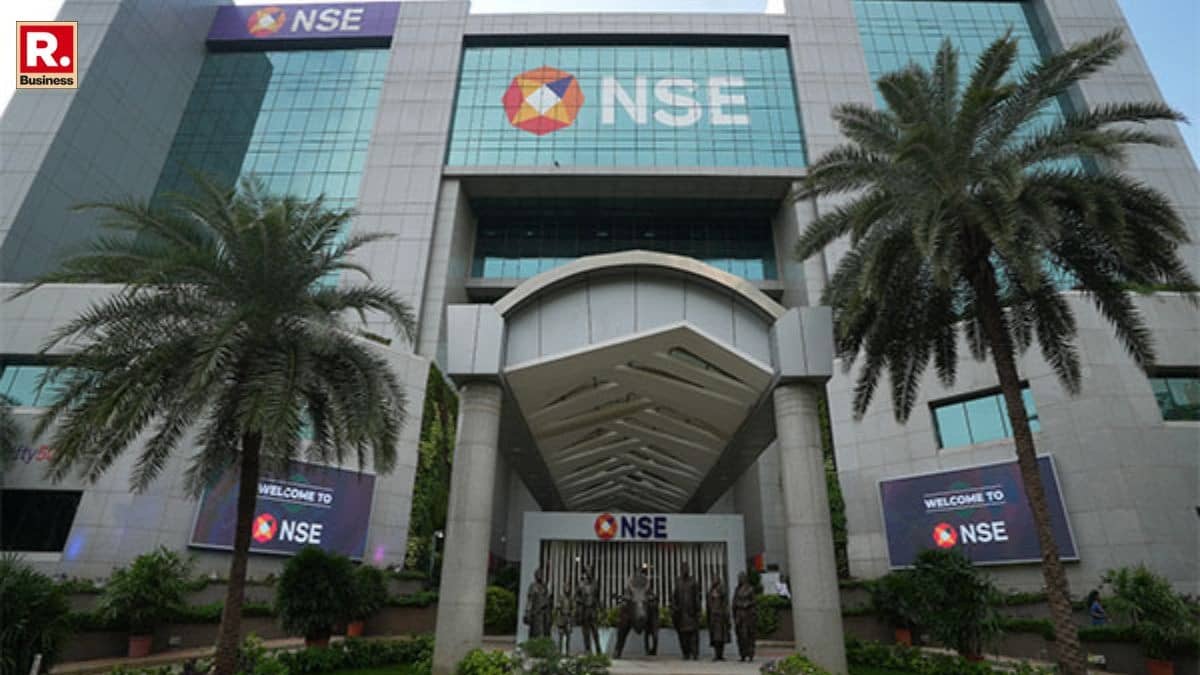
NSE IPO Nears Launch as SEBI Review Approaches Completion
SEBI Clears Jio Platforms IPO, India’s Biggest Listing In Sight
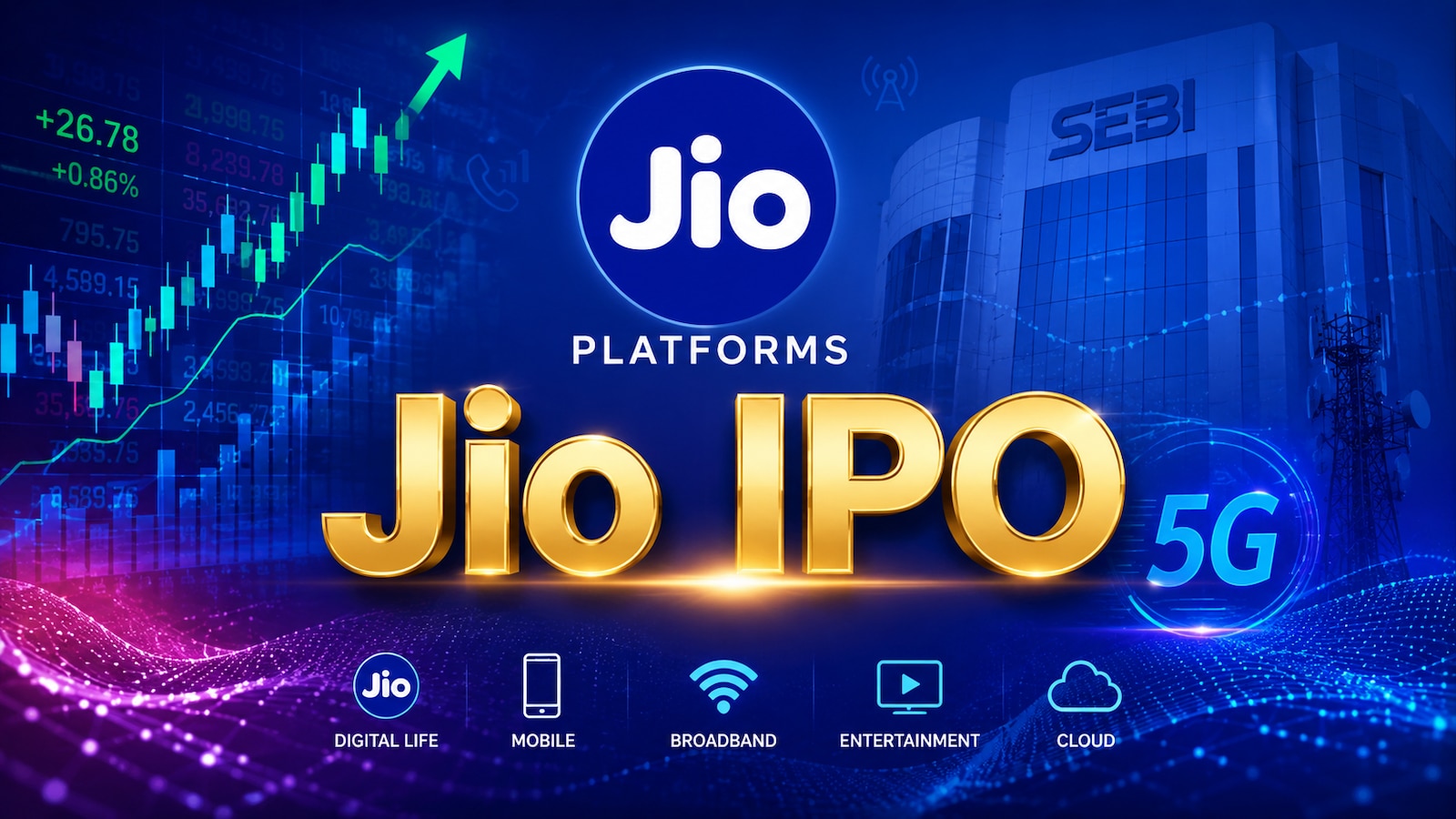
Jio Platforms Wins SEBI Approval for Potential Record IPO

India IPO Boom Brings Warning Signs for Investors

Bank Branches Face Regional, Weekend Closures Across India

Brokerages Back Five Indian Stocks With Up To 54% Upside

Banks Mobilise $60 Billion in Final FCNR(B) Deposit Rush
RBI Clears LIC to Raise ICICI Bank Stake to 9.99%
