

Archive · 12 Nov 2025
India Plans New Weather Satellite to Stabilize Green Energy Grid Amid Climate Shocks

Imagine India is trying to use more sun and wind to make electricity, which is great for the planet.
But sometimes, the weather changes very quickly, like clouds suddenly appearing or the wind stopping.
This makes it hard for the electricity grid to keep up, causing problems and costing money.
To fix this, India is planning to build a new satellite and better computer systems to predict the weather more accurately, especially for sunny and windy days.
This will help them manage the electricity flow better, preventing blackouts and making sure the green energy sources work smoothly.
They are also looking at improving ground technology and collecting more weather data.
This is important because India plans to use a lot more solar and wind power in the coming years, and a stable grid is key to that plan.

India plans to launch a weather satellite and enhance its prediction systems to stabilize its green energy grid.
The initiative aims to improve forecasting of solar and wind power output, addressing grid congestion and curtailments caused by unpredictable weather.
A new satellite, planned for launch in 2028-29, is expected to provide more accurate and customized weather services for the power sector.
This move comes amid recent incidents of grid instability and increasing global blackouts linked to extreme weather events impacting renewable energy sources.
The project seeks to reduce financial penalties (Deviation Settlement Mechanism charges) for renewable energy developers and ensure a more reliable power supply.
- Who
- Indian Ministries of New and Renewable Energy and Earth Sciences, along with power generation and distribution companies, and renewable energy developers.
- What
- Planning to launch a weather satellite and upgrade weather prediction systems to enhance grid stability for renewable energy sources.
- When
- The initiative is underway, with the satellite planned for launch in 2028-29. Recent events impacting grid stability occurred in June and February.
- Where
- India
- Why
- To mitigate the increasing risks to grid stability and the green energy transition posed by unpredictable weather patterns driven by climate change, and to reduce financial penalties for deviations from scheduled power generation.
Benefits of Enhanced Weather Forecasting for Green Energy
Challenges and Current Limitations
Grid Stability and Financial Risk Reduction
Benefits of Enhanced Weather Forecasting for Green Energy
Improved weather forecasting and a dedicated satellite will help predict climate patterns affecting solar and wind output, thereby reducing grid congestion, power generation curtailments, and penalties for power producers. This will de-risk cash flows for developers and potentially rationalize tariffs for consumers.
Challenges and Current Limitations
Unpredictable weather events like sudden cloud cover or drops in wind speed already cause grid instability, leading to situations where electricity withdrawal exceeds capacity. Even with planned improvements, the inherent unpredictability of renewable energy sources poses ongoing challenges.
Data Integration and Accuracy
Benefits of Enhanced Weather Forecasting for Green Energy
Collation of data from private renewable energy developers with government agencies like the India Meteorological Department (IMD) will create a larger database for better analytics, leading to more precise local forecasts through more ground-based data collection centers.
Challenges and Current Limitations
There is a need for more centers for weather data collection, and the current system might not capture all local variations. The Central Electricity Regulatory Commission (CERC) is proposing stricter deviation norms, narrowing allowable deviation ranges for solar and wind projects, which implies current forecasting accuracy might still be a concern.
- Planned Initiative
- Launch of a weather satellite and upgrade of weather prediction systems.
- Goal
- To stabilize the green energy grid and improve renewable energy forecasting.
- Responsible Ministries
- New and Renewable Energy, and Earth Sciences
- Projected Satellite Launch
- 2028-29
- Estimated Satellite Cost
- Approx. ₹900 crore
- Current Renewable Capacity (Solar/Wind)
- 130 GW / 54 GW
- Target Renewable Capacity (Solar/Wind by 2030)
- 280 GW / 140 GW
- DSM Charges Paid (Aug 2025-12 months)
- Approx. ₹6,255 crore
Sources
India is exploring a new insurance plan. Payout is triggered when heat, rainfall rise

COP30 highlights growing need of countries for resilience to storms, flood and fires
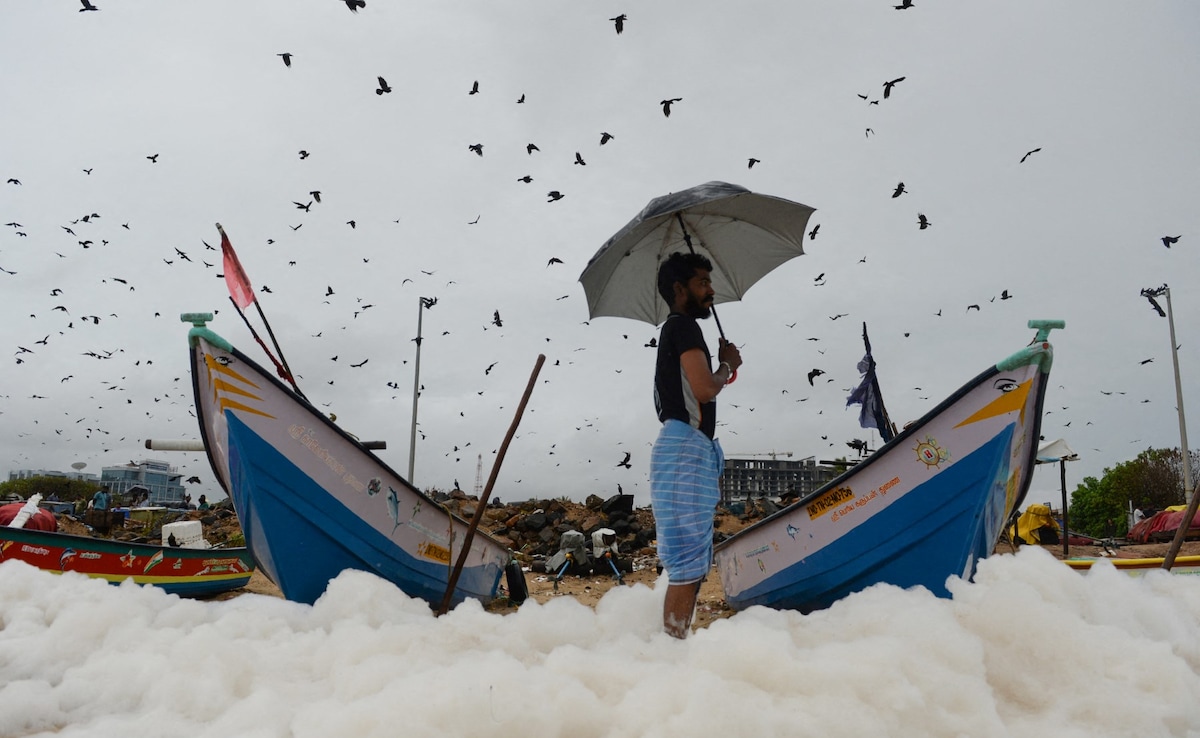
Climate Disasters Killed 80,000, Hit 1.3 Billion In India Since 1995: Report
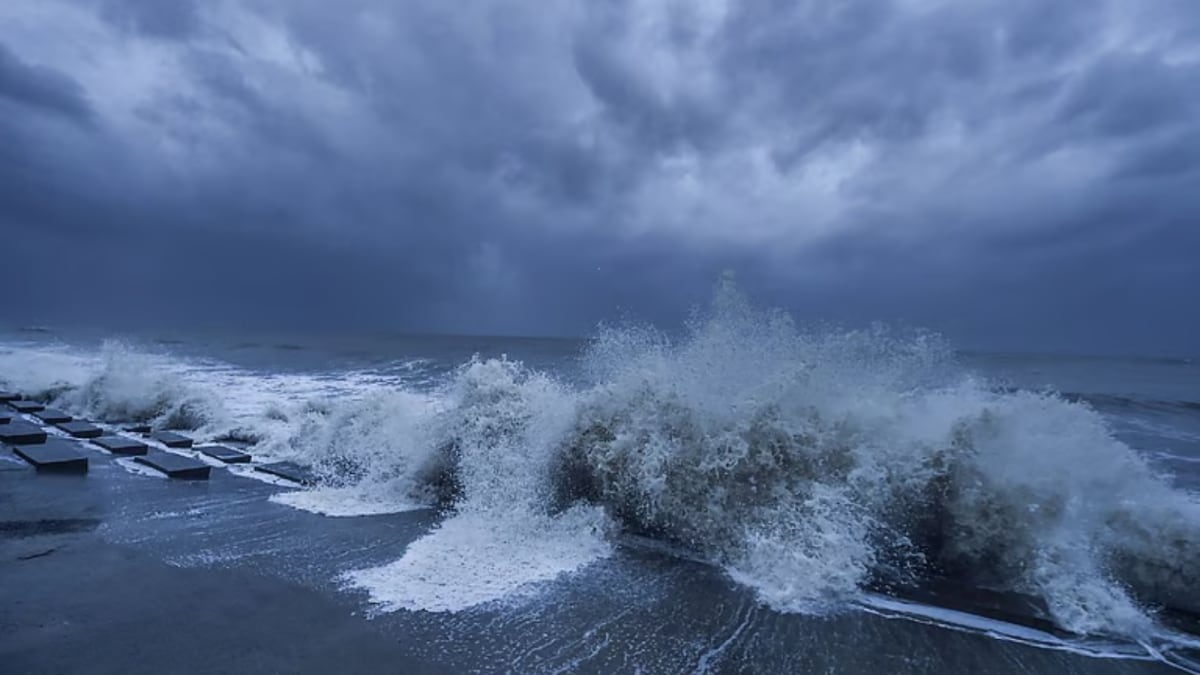
India Ranked 9th In Global Climate Risk Index: 30 Years, 80,000 Lives, $170 Billion Lost

India among world’s top 10 most climate-impacted nations, says Germanwatch report - Telegraph India

80,000 dead, 1.3 billion lives disrupted: How climate disasters have wreaked havoc in India since 1995
