

Archive · 8 Aug 2025
How Partition Shaped Bhisham Sahni's 'Tamas'
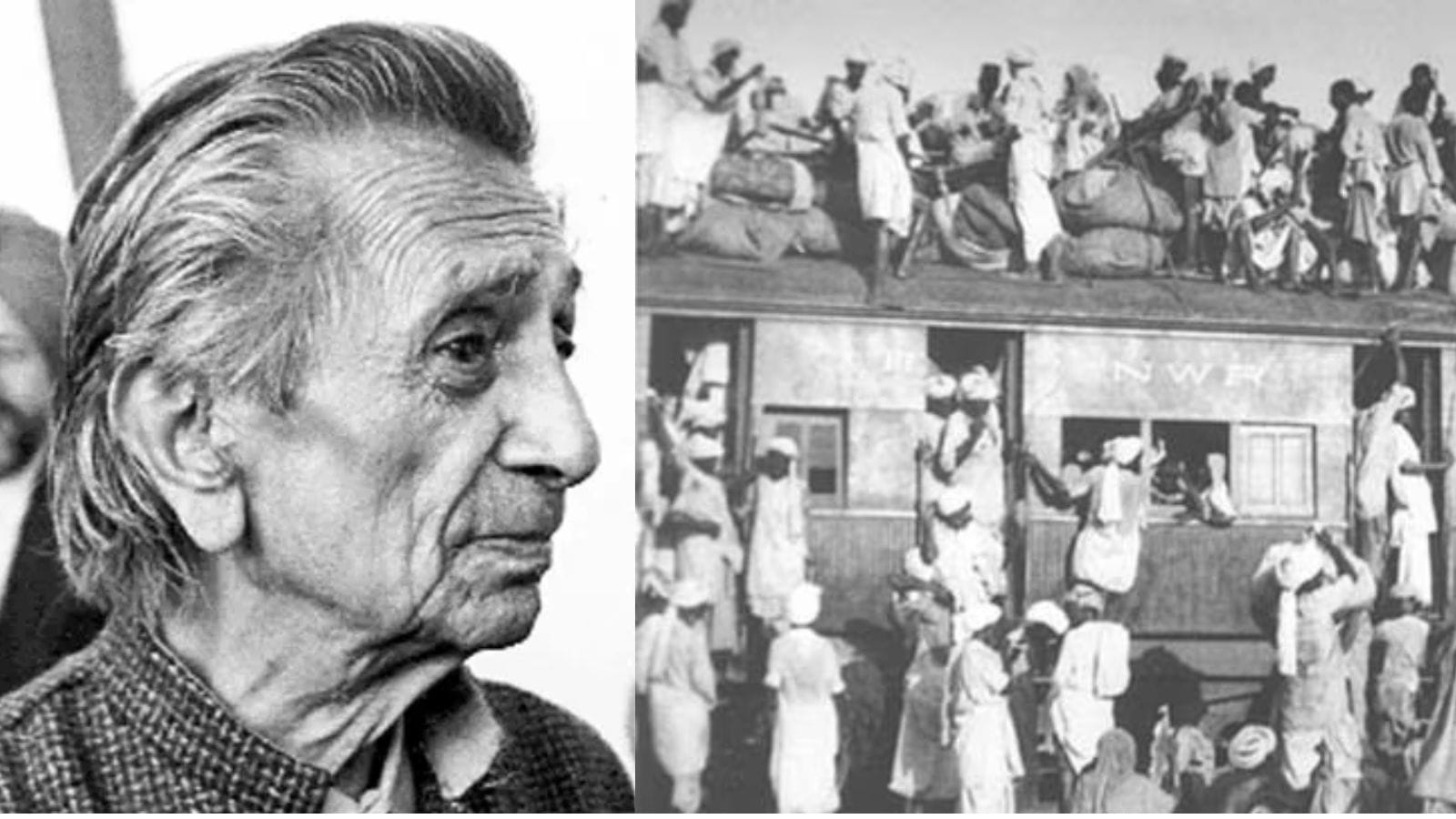
Imagine a writer named Bhisham Sahni who lived through a terrible event called the Partition of India, when the country split apart.
This caused lots of people to move and many were hurt or killed.
Sahni wrote stories and a book called 'Tamas' about this time.
His stories show how people were divided, how violence started, and how some people were still kind to each other.
'Tamas' helps us remember what happened and why it was so awful.
It's a way to understand how such a big event changed many lives forever, showing both the bad things and the good things people did.

Bhisham Sahni's experiences during the Partition of India deeply influenced his literary work.
Sahni's novel 'Tamas' reflects the violence, displacement, and societal unraveling caused by Partition.
The novel portrays the impact of British policies, political opportunism, and indoctrination on communal relations.
'Tamas' emphasizes the erasure of human stories behind statistics, highlighting the human cost of the event.
Sahni's work celebrates humanism through acts of courage and compassion amidst the chaos.
- Who
- Bhisham Sahni, the people affected by the Partition, and those who inspired his writing, including the British and local politicians.
- What
- Impact of Partition on Bhisham Sahni's life and work, particularly his novel 'Tamas'.
- When
- The Partition of India in 1947 and the years following.
- Where
- India, Pakistan, and the Punjab region, especially Rawalpindi and other towns.
- Why
- To document the events of the Partition and explore themes of communal violence, displacement, and human resilience.
Historical Accounts
Literary Accounts
Methods of Remembering
Historical Accounts
Focus on facts and figures, potentially downplaying human impact.
Literary Accounts
Emphasis on the human experience and individual stories.
- Event
- Partition of India
- Author
- Bhisham Sahni
- Novel
- Tamas
- Year of Partition
- 1947
- Estimated deaths
- Around a million
- Forced Migration
- Approximately 12 million