

3 weeks ago
Pakistan Institutionalizes India-Blame Narrative Around Baloch Insurgency Conflict
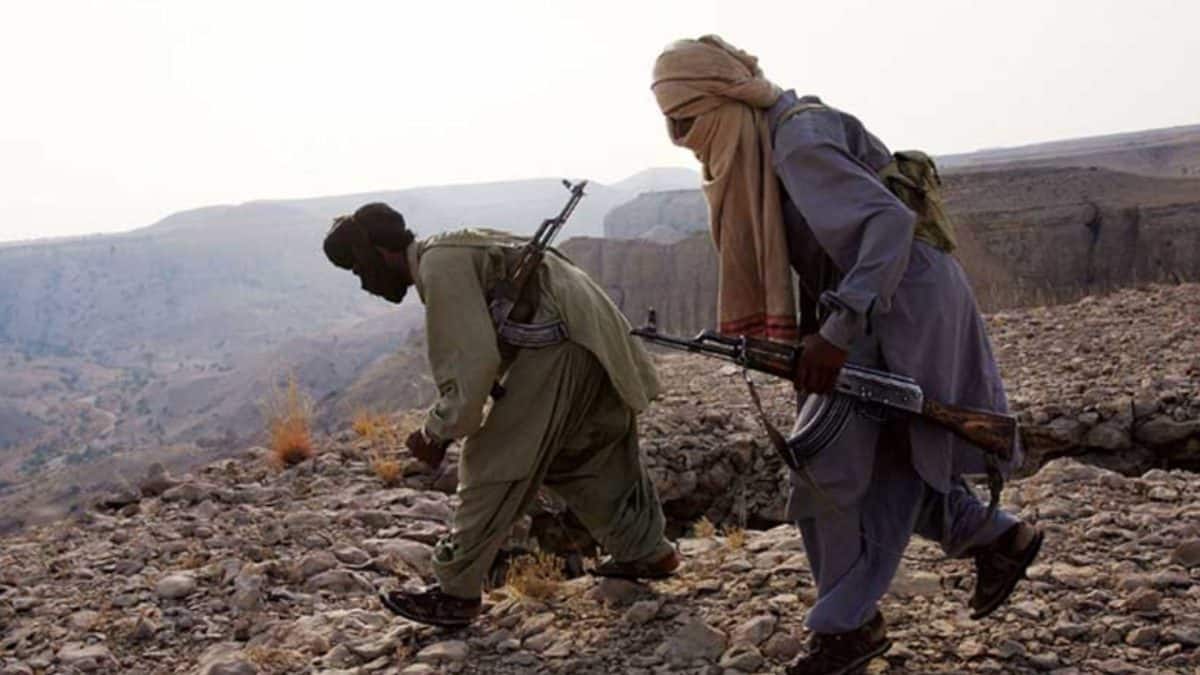
Pakistan has a long-running armed conflict in Balochistan.
The Pakistani government now calls many insurgent groups “Fitna al-Hindustan.”
This name suggests that India is behind the violence.
Pakistan says this helps describe the security threat and presents Pakistan as a victim of terrorism.
India says the label is misinformation wrapped in religious language.
The article says the conflict also has local causes, including arguments about political power, resources and development.
Armed groups have attacked civilians and security forces, and those attacks are not excused by political demands.
The article argues that military action alone may not solve the deeper political problems.
It also says the naming dispute could influence how other countries understand the conflict.

Pakistan directed government entities in May 2025 to call Baloch insurgent groups “Fitna al-Hindustan.”
The terminology presents Balochistan’s insurgency as part of an alleged Indian-sponsored campaign.
Pakistan reported killing 49 militants across Khyber Pakhtunkhwa and Balochistan on August 21, including 37 identified with the label.
The article says Balochistan’s conflict also reflects disputes over autonomy, representation, resources, disappearances and development.
India has rejected the terminology, while Pakistan is using it to challenge India’s accusations of Pakistan-sponsored terrorism.
- Who
- Pakistan’s government and security forces, Baloch insurgent groups including the Baloch Liberation Army, and India are central to the dispute.
- What
- Pakistan has institutionalized the term “Fitna al-Hindustan” to describe Baloch insurgents as allegedly linked to India.
- Where
- The dispute concerns Balochistan, with related security operations also reported in Khyber Pakhtunkhwa.
- When
- The policy direction was issued in May 2025; related operations and statements were reported in August 2025, including August 21 and August 24.
- Why
- Pakistan says the terminology identifies alleged Indian sponsorship, while the article argues it shifts attention away from Balochistan’s internal political and security causes.
Pakistan’s framing
India’s and the article’s counterargument
Cause of the insurgency
Pakistan’s framing
Pakistan presents Baloch insurgent organisations as part of an Indian-sponsored campaign and uses “Fitna al-Hindustan” as an official security label.
India’s and the article’s counterargument
India rejects the label, while the article says Balochistan’s insurgency has deep political and historical causes that cannot simply be attributed to India.
International narrative
Pakistan’s framing
Pakistan uses the terminology to portray itself as a victim of terrorism and to challenge India’s claims that Pakistan sponsors cross-border terrorism.
India’s and the article’s counterargument
India says the terminology is misinformation; the article argues that repeating it could create a misleading equivalence between the two countries’ terrorism accusations.
Approach to the conflict
Pakistan’s framing
Pakistan emphasizes counter-terror operations against militants, including operations reported in Balochistan and Khyber Pakhtunkhwa.
India’s and the article’s counterargument
The article says counter-terrorism can kill militants but cannot by itself resolve the political issues that allow the insurgency to continue.
Key facts
- Official terminology
- Pakistan directed government entities to use “Fitna al-Hindustan” for insurgent organisations operating in Balochistan.
- Reported August 21 casualties
- Pakistan’s Inter-Services Public Relations said security forces killed 49 militants across Khyber Pakhtunkhwa and Balochistan.
- Balochistan figure
- Thirty-seven of those killed were described as belonging to “Fitna al-Hindustan.”
- August 24 claim
- The Baloch Liberation Army claimed an IED ambush in Mastung that it said killed 13 Pakistani soldiers.
- India’s response
- India’s Permanent Representative to the United Nations, Parvathaneni Harish, called the terminology state-sponsored misinformation wrapped in religious language.
- Local conflict factors
- The article identifies disputes over provincial autonomy, political representation, natural resources, enforced disappearances, uneven development and state coercion.
- Regional significance
- The article says instability affects Chinese personnel and projects, the China-Pakistan Economic Corridor, the Iran-Pakistan border and the wider militant environment around Afghanistan.
Sources
Related news
Pakistan Faces Militancy, Separatism and Political Tensions, Report Says
BLA Claims Fresh Strikes Across Balochistan, Three Security Personnel Killed

Pakistan Army Reports 73 Militants Killed in Balochistan Operations
Jaishankar Rebukes Pakistani Reporter Over Terrorism Question At UNGA

Report Says Pakistan’s Proxy Wars Are Rapidly Changing Disguises
Pakistan’s First Hangor-Class Submarine Fires Live Anti-Ship Missile
Pakistan Reportedly Deploys Turkish Bayraktar Drones Near India Border

Discovery's Operation Sindoor documentary triggers fresh ISPR offensive
