Archive · 4 Oct 2026
Tens of Thousands Protest Across Spain for Affordable Housing
People across Spain marched because finding an affordable home has become harder.
They want lower rents and better protection for people who might be evicted.
The protests grew after 87-year-old Maricarmen Abascal was forced to leave her Madrid home.
Her new landlords later agreed she could return and pay a lower rent.
The government proposed rules to help tenants, but parliament rejected them on Friday.
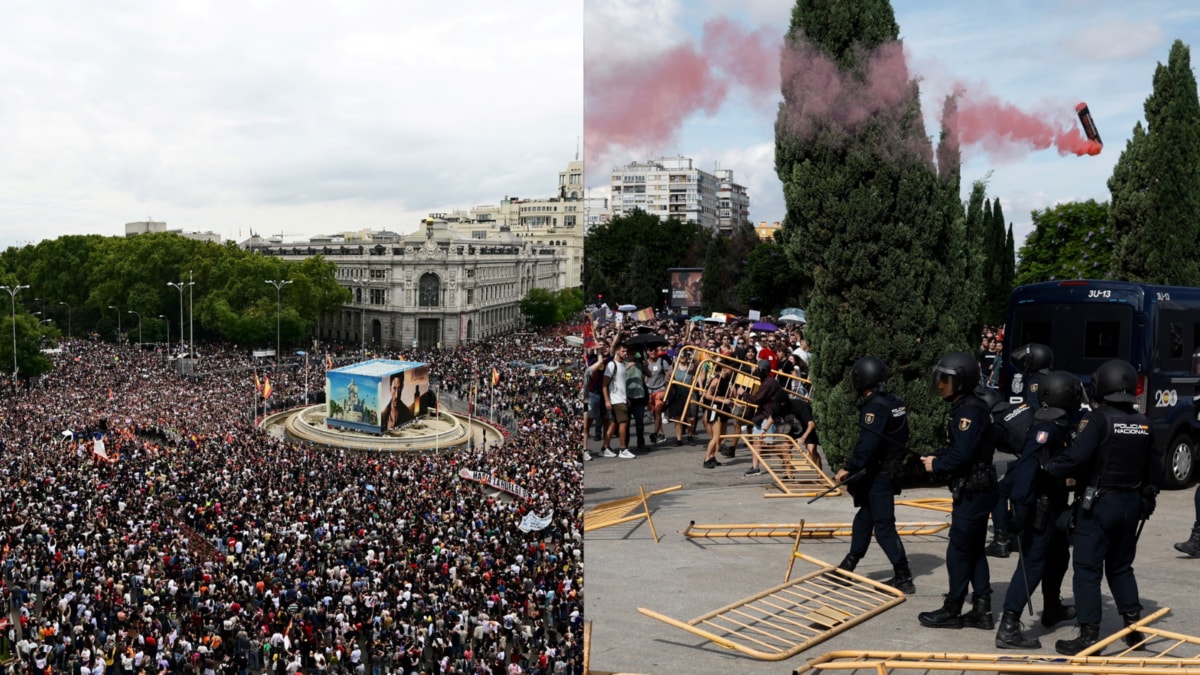
Madrid officials counted about 70,000 marchers, while organisers said there were 500,000.
Demonstrations also took place in other cities.
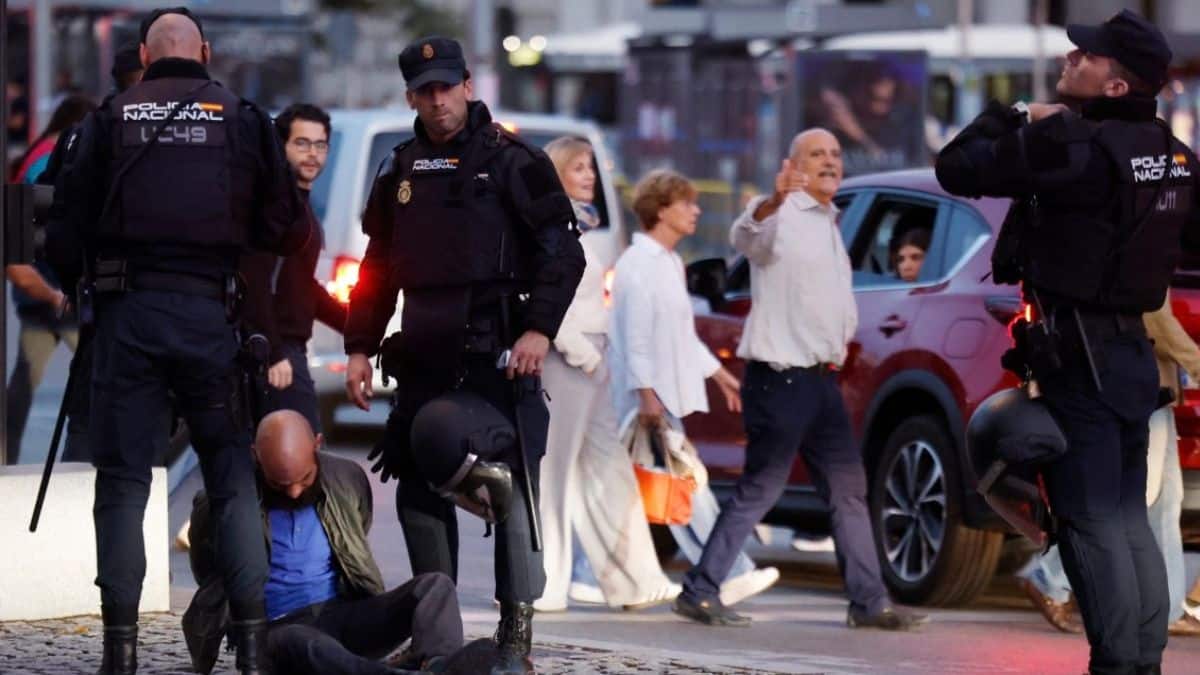
In Valencia, some protesters clashed with police, who used tear gas and rubber bullets.
Some demonstrators also called for a general strike.
Political leaders raised the possibility of an early election, but the prime minister’s office did not comment on election reports.

Tens of thousands marched in Madrid and other Spanish cities on Saturday, demanding affordable housing and stronger tenant protections.
The protests followed parliament’s rejection on Friday of government housing measures, including automatic tenancy renewals and limits on evicting vulnerable tenants.
Madrid turnout was estimated at 70,000 by authorities and 500,000 by organisers.
The eviction of 87-year-old Maricarmen Abascal, after campaigners said her rent was set to rise by 275%, became a focus of public anger; the new owners later agreed she could return at a low rent.
In Valencia, police used rubber bullets and tear gas during clashes; reports said five people were arrested, while other demonstrations in 50 cities were peaceful.
- Who
- Tenants, students, workers and housing activists; Madrid attendance was estimated at 70,000 by authorities and 500,000 by organisers.
- What
- Demonstrations calling for affordable housing, lower rents and stronger tenant protections.
- When
- Saturday, October 3, after parliament rejected housing measures on Friday; the articles do not consistently specify the year.
- Where
- Madrid and other Spanish cities, including Valencia, Barcelona, Palma de Mallorca, Santander, Segovia and Toledo.
- Why
- Protesters opposed rising housing costs and evictions and objected to parliament’s rejection of proposed tenant relief.
Protesters and housing campaigners
Parties opposing the measures
Tenant protections
Protesters and housing campaigners
Protesters demanded affordable rents and stronger protections; the government proposed automatic contract renewals and limits on evictions of vulnerable tenants.
Parties opposing the measures
Junts said the measures lacked rigour, and Junts, the Popular Party and Vox voted against them.
Investment funds and housing
Protesters and housing campaigners
Housing activists called for restrictions on investment funds buying residential properties, arguing that investors contribute to higher prices and rents.
Parties opposing the measures
The articles report opposition parties rejected the government’s proposals, but do not provide a specific response from them on investment funds.
Political response
Protesters and housing campaigners
The Tenants’ Union said protests showed the effectiveness of public action and repeated its call for a general strike.
Parties opposing the measures
Popular Party leader Alberto Núñez Feijóo urged Sánchez to call an early election, saying the country could not take any more.
- Protest locations
- Demonstrations were reported in around 50 Spanish cities.
- Madrid turnout
- Authorities estimated 70,000 participants; organisers estimated 500,000.
- Rejected measures
- Proposals included automatic tenancy renewals and restrictions on evicting vulnerable tenants.
- Maricarmen Abascal
- The 87-year-old was evicted from her Madrid flat; campaigners said the proposed rent increase was 275%, and the new owners later agreed she could return at a low rent.
- Valencia
- Police used rubber bullets and tear gas during clashes. Reuters reported about 30 protesters entered the City of Arts and Sciences; another report said five people were arrested.
- Early election speculation
- Spanish media reported that Pedro Sánchez might call a snap election; his office declined to comment. The scheduled general election was reported as due in 2027.