

Archive · 15 Sep 2025
Eye Drops Show Promise in Restoring Near Vision
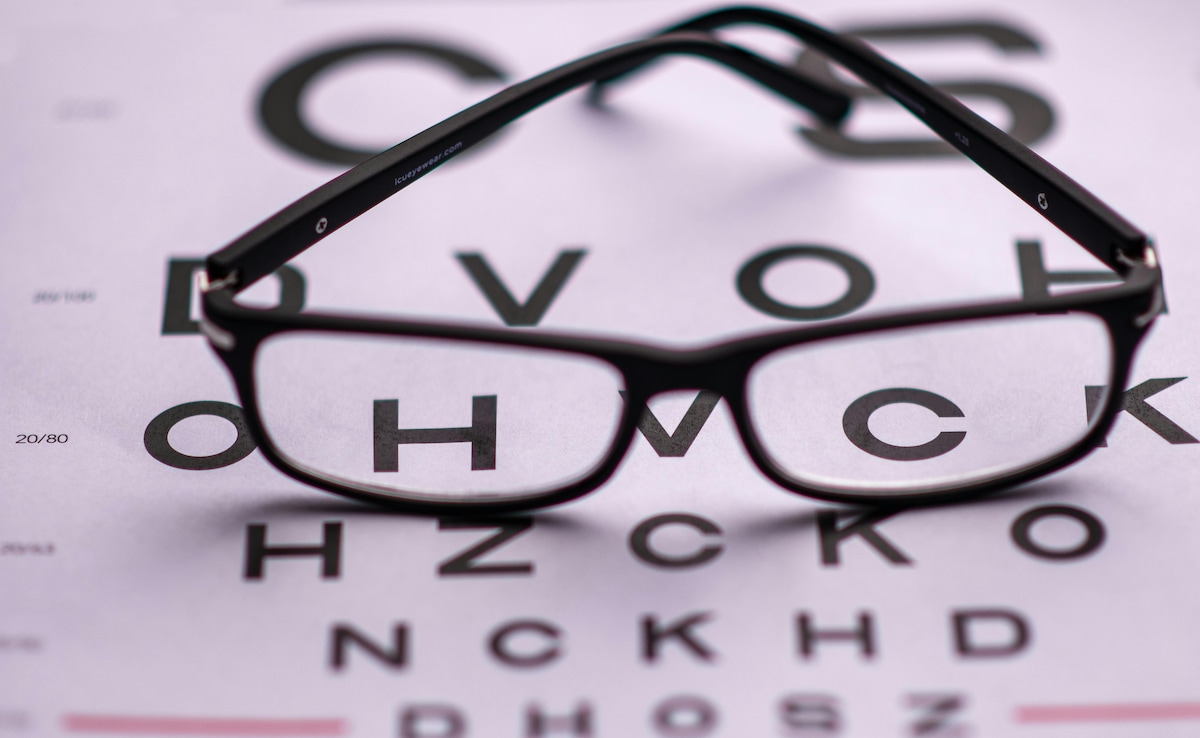
Scientists have created eye drops that might help people see better up close, potentially replacing reading glasses.
These drops, containing pilocarpine and diclofenac, were tested on hundreds of people.
After using the drops, many could read more lines on an eye chart.
The effects lasted for a couple of years for some participants.
While there were some temporary side effects like blurry vision, the drops were found to be a safe and effective solution to treat presbyopia.
Experts say it's a good start, and now we will await for additional testing.

Scientists developed eye drops that could help people with long-sightedness.
The study involved 766 participants who used the drops.
Patients showed an average improvement of 3.45 lines on the Jaeger eye chart.
Common side effects included temporary dim vision, irritation, and headaches.
Experts call for more studies to confirm safety and effectiveness.
- Who
- Scientists and patients with presbyopia
- What
- Developed eye drops to improve near vision.
- When
- Improvements sustained for two years, study at the European Society of Cataract and Refractive Surgeons
- Where
- Buenos Aires, Argentina (research center)
- Why
- To provide a potential alternative to reading glasses or surgery for presbyopia.
- Main Focus
- Eye drops to treat long-sightedness (presbyopia)
- Key Ingredient
- Pilocarpine and diclofenac
- Study Participants
- 766 people
- Vision Improvement
- Average of 3.45 lines on Jaeger eye chart
- Side Effects
- Temporary dim vision, irritation, and headaches