8 months ago
Taslima Nasreen Criticizes Bangladesh's Religious Fundamentalism
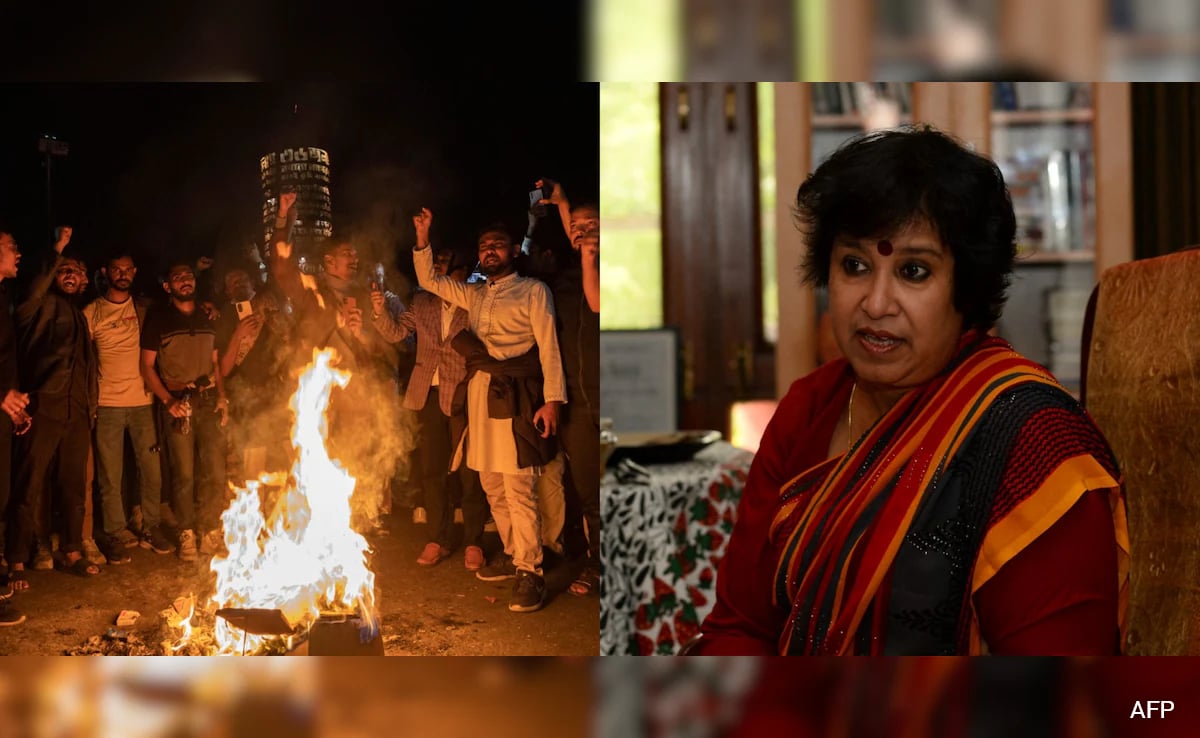
Taslima Nasreen is a famous writer from Bangladesh who had to leave her country a long time ago because some people didn't like her book.
She thinks Bangladesh has become more religiously extreme over time.
She says the government has allowed this to happen, and it's not good for the country.
She hopes that in the next election, leaders who support freedom and equality will win.
She lives in India now and writes about important topics like women's rights and freedom of speech.
She's not sure if she can ever go back to Bangladesh.

Taslima Nasreen, exiled Bangladeshi author, criticizes the rise of religious fundamentalism in Bangladesh.
She attributes the growth of fundamentalism to government policies and actions over the years.
Nasreen was forced into exile in 1994 after her novel 'Lajja' provoked outrage among Islamist groups.
She advocates for secularism, feminism, and freedom of expression and hopes for progressive leadership in Bangladesh's upcoming election.
Nasreen currently resides in Delhi, India, under government protection, and holds Swedish citizenship.
- Who
- Taslima Nasreen, exiled Bangladeshi author and activist
- What
- Criticism of Bangladesh's religious fundamentalism and political situation
- Where
- Interview conducted, Bangladesh's political and social context
- When
- Current situation compared to her exile in 1994
- Why
- To highlight the growth of religious fundamentalism and its impact on Bangladesh
Key facts
- Author
- Taslima Nasreen
- Exile Year
- 1994
- Current Residence
- India (Delhi)
- Citizenship
- Swedish
- Notable Work
- Lajja (Shame)
- Reason for Exile
- Religious backlash over novel
- Advocacy
- Secularism, feminism, freedom of expression
- Bangladesh Election Date
- February 12
Quotes

Taslima Nasreen
Exiled Bangladeshi author and activist
“The then administration played into the hands of fundamentalists, and I was penalised without reason. The silent acquiescence to their unjustified demand strengthened the hands of bigots, and what you see today is the culmination of such official nods that have led to widespread religious intolerance.”
 NDTV
NDTV
“I find people talking about a possible win for the Bangladesh Nationalist Party (BNP). The party is supportive of 'muktiyddha', so if they can work for the progress of the country, freedom of speech, and women's equality, I think they may be able to deliver.”
NDTV
Sources
Related news

Indonesia Face UAE in Women’s Asia Cup Match 8

Large-Caps Look More Attractive, But Valuation Risks Remain

Bangladeshi National Escapes Police Custody in Bengal Search Underway

Pearl Global Reports Resilient Western Demand Amid Tariffs

India Seeks Better Tariffs Than Rivals to Finalize US Deal