Archive · 16 Jan 2026
India's Economic Growth and Structural Challenges
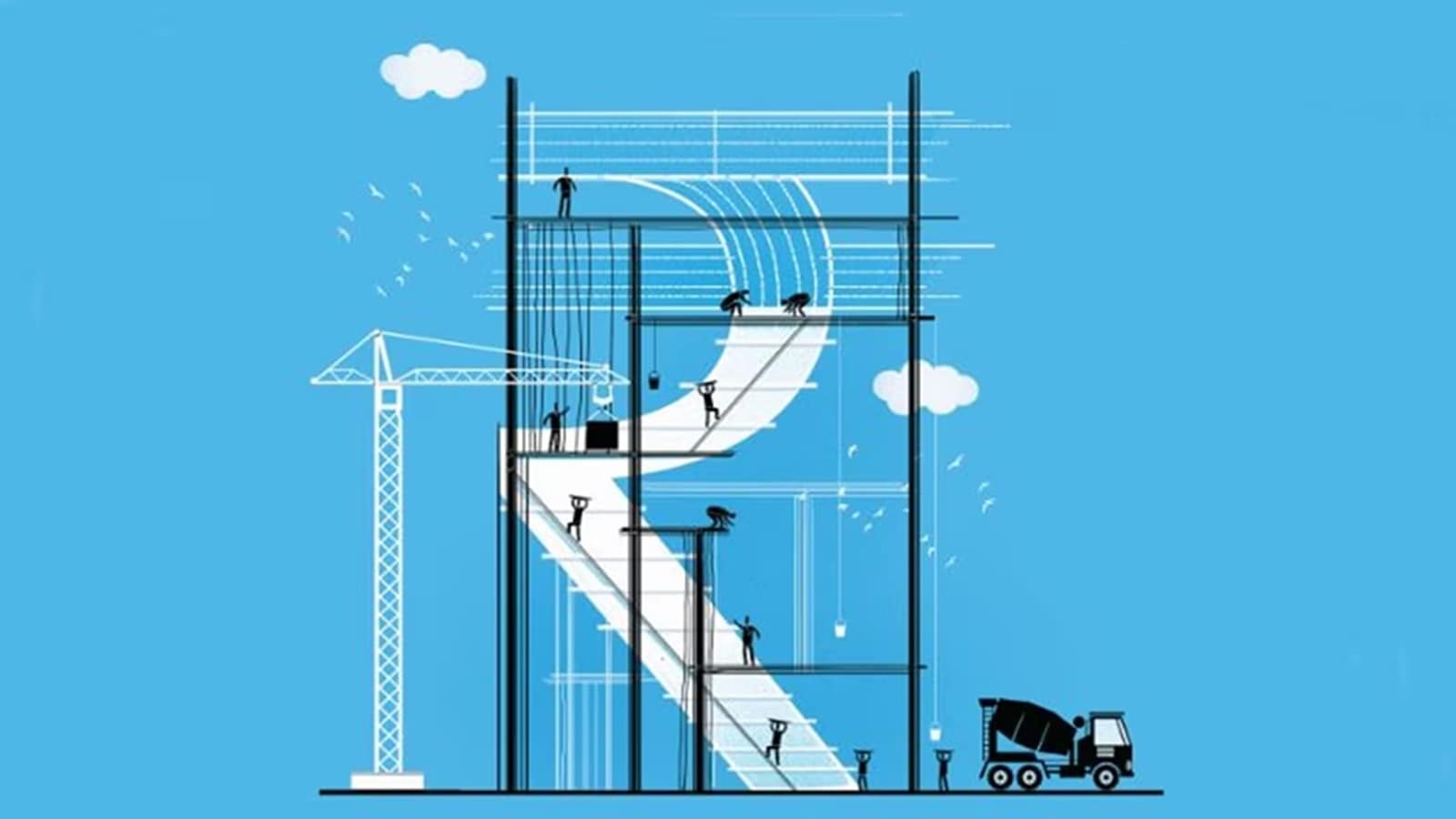
India is growing fast, but it's not changing enough.
It has good technology and attracts money from around the world.
But many people don't have good jobs, especially women.
India tried to skip making things in factories and went straight to services.
This means not enough jobs are created for everyone.
Cities in India are not well-managed.
They need better roads, houses, and services.
If cities and factories don't improve, India might keep growing but not create enough jobs or help people live better lives.
India needs to fix these problems to become a stronger and fairer country.

India is growing fast but lacks structural transformation.
India's growth has not translated into mass employment, especially for women.
India's cities are poorly managed, lacking financial autonomy and political authority.
Weak local government and fragile rule of law are sapping economic potential.
Without strengthening cities and reviving labour-intensive manufacturing, India risks jobless growth and social strain.
- Who
- India
- What
- Economic growth and structural challenges
- When
- Present and future
- Where
- India
- Why
- To understand the gaps in India's economic development
- Target Economy Size
- $7-10 trillion by 2047
- Household Financial Savings
- 5.3% of GDP in FY2023
- Household Debt
- Over 40%
- Corporate Bond Market
- Shallow relative to GDP, concentrated in highly rated issuers
- Incremental Capital-Output Ratio
- 4-5.5
- Key Sectors for Start-ups
- Logistics, manufacturing, healthcare, energy, public services