Archive · 9 Oct 2026
WHO Seeks Answers as Russia Faces Questions Over Suspected Plague Death
A laboratory worker in Siberia became very sick with pneumonia and died on October 2.
Some news reports suggested she might have had pneumonic plague, but that has not been confirmed.
Russian health officials say the cause of her illness is unknown and that tests did not link it to germs she worked with.
They say about 200 people who had contact with her were monitored or quarantined.
Some of those people tested positive for COVID-19 or rhinovirus.
The World Health Organization says it still needs more information to understand what happened.
Some experts say Russia should be more open, while another said the reported health measures seemed sensible.
A U.S. health official said the threat to the United States is extremely low.
A medical expert also said the public risk from this single suspected case is very low, but the cause still needs to be investigated.

A 28-year-old laboratory worker died on October 2 after developing severe pneumonia; independent Russian outlet Lyudi Baikala identified her as Darya Shipilova.
Pneumonic plague has been raised in unconfirmed media reports, but Russian authorities have described the illness as pneumonia of unknown cause and have not confirmed plague.
Russia told the WHO that no plague cases had recently been registered in Irkutsk and reported quarantine and monitoring of about 200 contacts.
Russian authorities reported two COVID-19 cases and two rhinovirus cases among contacts, and said no other infectious pathogens had been found there.
The WHO says it lacks enough information to identify the cause or assess risk; experts differ on Russia’s transparency, while a U.S. official described the threat to the United States as extremely low.
- Who
- A 28-year-old laboratory worker, identified by independent outlet Lyudi Baikala as Darya Shipilova; Russian health authorities and the WHO are involved.
- What
- She died after severe pneumonia of unknown cause; unconfirmed reports suggested pneumonic plague, which has not been confirmed.
- When
- She died October 2, after reportedly being hospitalized on September 29.
- Where
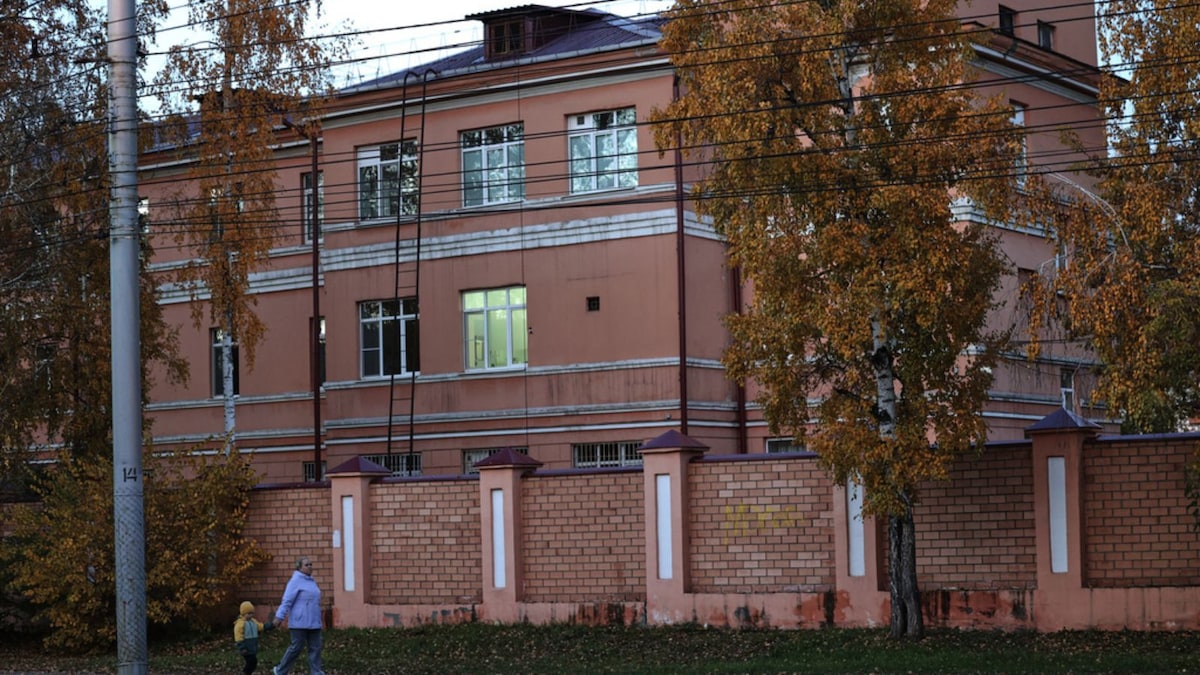
- She died in a hospital in Shelekhov, near Irkutsk in Siberia, Russia.
- Why
- The cause of her pneumonia is unknown; the WHO has requested more information to clarify the case and assess potential risks.
Russian Authorities and Response
Calls for More Information
Assessment of the response
Russian Authorities and Response
Russian authorities reported contact tracing, quarantine, medical monitoring, testing, and disinfection. Russian health economist Vasily Vlassov described the measures as sensible.
Calls for More Information
The WHO said it could not determine the cause or complete a risk assessment without more information. Political scientist Judy Twigg characterized the issue as a failure of candor.
Public communication
Russian Authorities and Response
Rospotrebnadzor said the sanitary and epidemiological situation was calm and reported no other infectious pathogens among contacts.
Calls for More Information
Twigg warned that limited disclosure could undermine public trust. Vlassov said deceiving the public is harmful, while noting that officials might not yet have sufficient certainty.
Possible plague and public risk
Russian Authorities and Response
Russian authorities described pneumonia of unknown cause, reported no recent plague cases in Irkutsk, and said tests did not link the illness to pathogens the worker handled.
Calls for More Information
Unconfirmed media reports raised pneumonic plague, and the WHO is seeking more details. A medical expert said the public risk from this single suspected case is very low, but said testing and investigation are needed to establish what happened.
- Reported identity
- Lyudi Baikala identified the worker as Darya Shipilova, 28; official statements did not name her.
- Russian description
- Rospotrebnadzor described the illness as pneumonia of unknown cause and did not confirm plague.
- Laboratory testing
- Rospotrebnadzor said extensive testing found no evidence that pathogens she worked with caused her illness.
- Contacts
- Russian authorities reported about 200 contacts were quarantined or monitored.
- Tests among contacts
- Authorities reported two COVID-19 cases and two rhinovirus cases, and said no other infectious pathogens were found among contacts.
- WHO position
- The WHO said it lacked enough information to identify the cause or complete a risk assessment, and requested further details from Russia.
- U.S. assessment
- CDC director Erica Schwartz described the threat to the United States as extremely low.
- Public risk assessment
- A medical expert writing for The Conversation assessed the risk to the public from this single suspected case as very low.
Sources
Russia keeps tight lid on suspected case of pneumonic plague as global concerns mount
Russia: ‘Plague’ death is causing panic but there is little reason to worry for now

What killed Russia plague-lab worker? WHO says 'we don't yet have the full picture' — What Moscow said