

Archive · 20 Sep 2025
Understanding Blood Pressure Readings: A Simple Guide
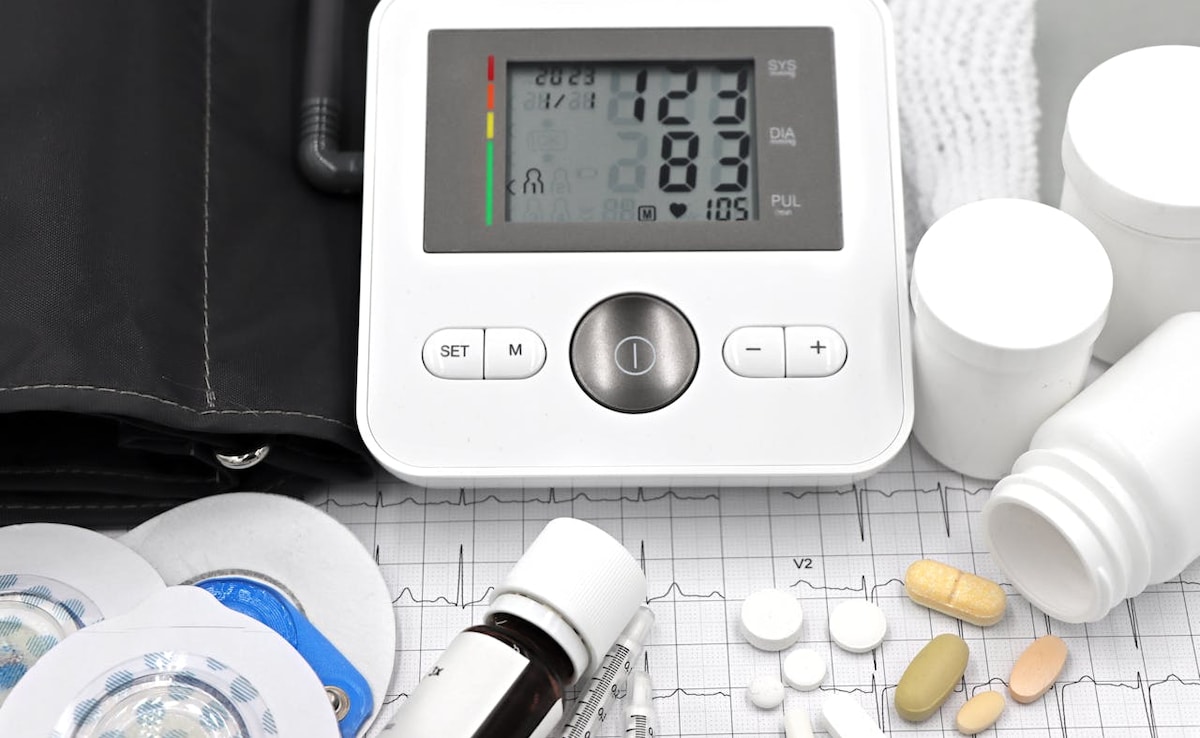
Blood pressure readings have two numbers: one when your heart beats and one when it rests.
Knowing these numbers is important for your health.
Readings change based on things like stress and activity.
You can check your blood pressure at home with a machine.
To get an accurate reading, sit comfortably, relax, and avoid stimulants.
Write down your results to share with your doctor.
Regular monitoring helps find problems early.
Lifestyle changes and a calm approach can help manage blood pressure.
Taking care of your health and monitoring your BP can help you understand your health more.

Blood pressure readings consist of systolic and diastolic numbers.
Normal blood pressure is less than 120/80 mmHg.
High blood pressure can increase risk of heart disease and stroke.
Accurate home readings require proper technique and preparation.
Regular monitoring allows for lifestyle adjustments and early intervention.
- Who
- People who want to monitor their blood pressure
- What
- Understanding blood pressure readings and how to measure them accurately
- When
- Throughout the day; stress levels can cause fluctuations
- Where
- At home using a blood pressure monitor
- Why
- To understand and manage blood pressure for better health
Facts of Blood Pressure
Self-Awareness of Blood Pressure
Stress Impact
Facts of Blood Pressure
Stress triggers the body's "fight-or-flight" response which can raise blood pressure.
Self-Awareness of Blood Pressure
Maintaining a calm mindset can give a more "real" picture of blood pressure.
- Systolic Pressure
- Pressure when heart beats
- Diastolic Pressure
- Pressure when heart rests
- Normal BP
- Less than 120/80 mmHg
- High BP (Stage 1)
- 130-139 systolic or 80-89 diastolic
- Hypertensive Crisis
- Over 180/120 mmHg (seek help)
- Home Monitoring Benefits
- Early detection, lifestyle changes possible