Archive · 19 Nov 2025
Delhi's Pollution Crisis: Impact on Sleep and Health

Delhi's bad air is making it hard for people to sleep well.
It's making asthma worse and causing problems like sleep apnea.
Doctors say use air purifiers and masks to stay safe.

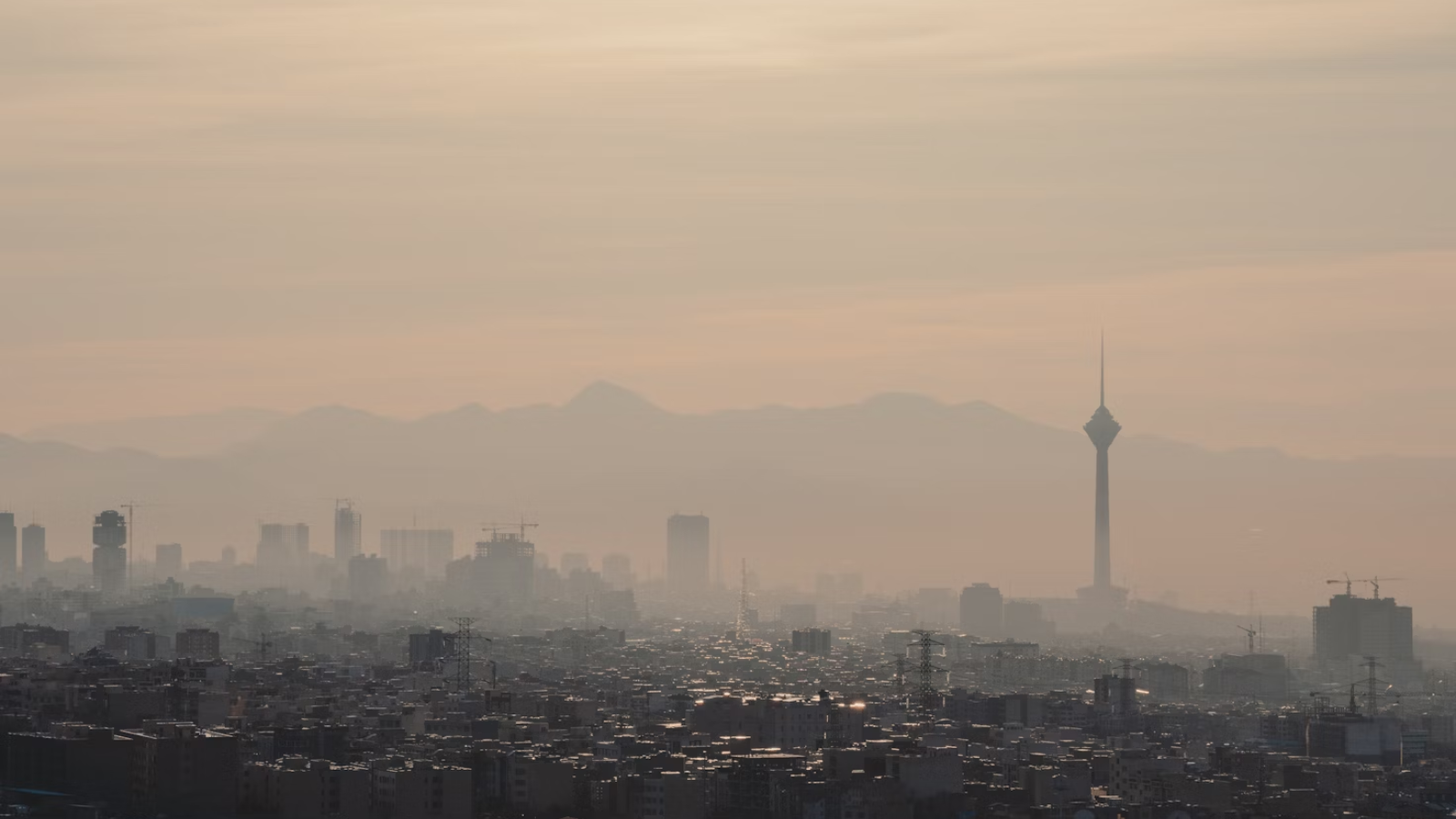
High pollution levels in Delhi are causing sleep deprivation and exacerbating respiratory issues
Toxic air reduces deep, restorative sleep, leading to fatigue and discomfort
People with asthma face increased symptoms like wheezing, coughing, and shortness of breath
Pollutants can cause sleep-disordered breathing, similar to sleep apnea, disrupting sleep
Doctors advise using air purifiers, wearing masks, and avoiding outdoor activities during peak pollution hours
- Who
- Residents of Delhi
- What
- Are facing sleep issues and health problems due to high pollution
- When
- During periods of high pollution, especially in winter
- Where
- Delhi, India
- Why
- Due to high levels of toxic air, including PM 2.5 and PM 10 particles
Environmental Activists
Government Authorities
Cause of pollution
Environmental Activists
Blame stubble burning, industrial emissions, and vehicle exhaust
Government Authorities
Attribute it to natural factors and international contributors
Solutions
Environmental Activists
Advocate stricter emission controls, public transport promotion, and green initiatives
Government Authorities
Implement short-term measures like odd-even vehicle scheme and long-term plans like the Graded Response Action Plan
- Air Quality Index (AQI)
- Over 300, considered 'hazardous'
- Main pollutants
- PM 2.5, PM 10, NO2, and SO2
- Health impact
- Sleep deprivation, respiratory issues, and cardiovascular problems
- Affected population
- Over 20 million residents in Delhi
- Seasonal peak
- Winter months, due to stubble burning and cold air trapping pollutants