

Archive · 21 Jul 2026
E20 Petrol Debate: MP Questions Government Over Engine Damage Claims
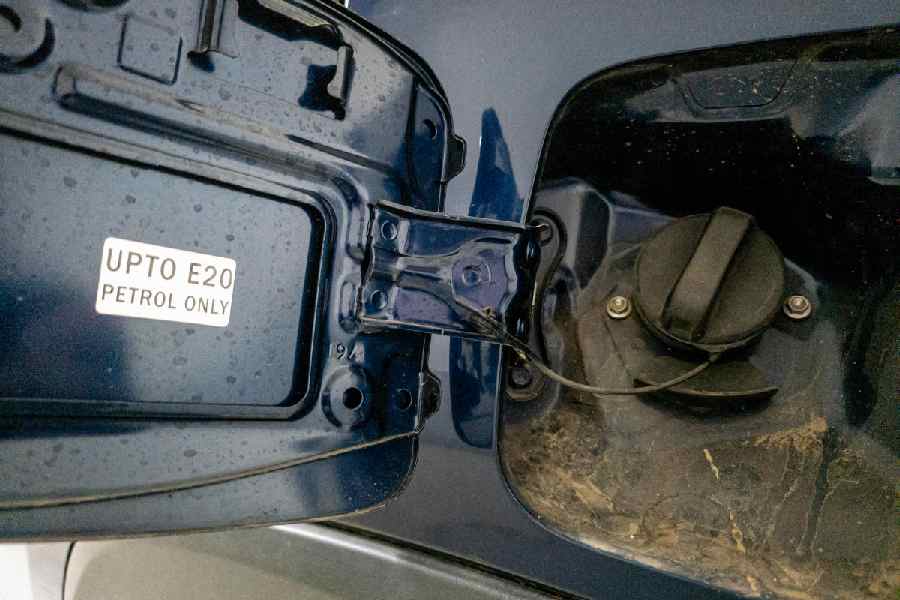
There's a big discussion happening in India about E20 petrol, which is petrol mixed with ethanol.
The government says there's no proof that this mix is causing widespread problems with car engines.
But a Member of Parliament named John Brittas thinks the government is being sneaky by saying 'widespread' problems don't exist, which doesn't mean there are no problems at all.
He also points out that there are warnings at petrol stations about water contamination in this type of petrol.
The government says they've done a lot of research and talking to experts before making this petrol blend.
But people are worried because E20 petrol might make cars use more fuel and not perform as well.

Member of Parliament John Brittas accused the government of avoiding the issue of engine damage from ethanol-blended petrol by focusing on the word 'widespread'.
The government claims there is no verified evidence of widespread engine damage or performance issues due to ethanol blending.
Brittas argues that the absence of widespread failures does not mean there are no failures at all.
Public notices at petrol stations warn about water contamination in E15-E20 petrol, contradicting the government's claim that no advisories have been issued.
E20 petrol can reduce fuel efficiency because ethanol contains less energy than petrol.
- Who
- John Brittas, Member of Parliament, and the Union petroleum ministry.
- What
- Debate over the impact of ethanol-blended petrol on vehicle engines and performance.
- When
- The debate is ongoing, with recent exchanges in Parliament.
- Where
- India.
- Why
- Concerns over the impact of E20 petrol on fuel efficiency and vehicle performance, and the government's response to these concerns.
Government's Stance
John Brittas' Criticism
Evidence of Engine Damage
Government's Stance
The government claims there is no verified evidence of widespread engine damage due to ethanol-blended petrol.
John Brittas' Criticism
John Brittas argues that the government's use of the word 'widespread' avoids addressing genuine instances of engine damage.
Consumer Complaints
Government's Stance
The government states there are no widespread or substantiated complaints from vehicle manufacturers, automobile associations, or consumer groups.
John Brittas' Criticism
Brittas contends that the absence of widespread failures does not mean there are no failures at all.
Advisories on Water Contamination
Government's Stance
The government claims that oil marketing companies have not issued advisories warning motorists about water contamination in blended petrol.
John Brittas' Criticism
Brittas points out that public notices at petrol stations, bearing the logos of major oil companies, warn about water contamination in E15-E20 petrol.
- MP Raising Concerns
- John Brittas
- Government's Response
- No widespread or substantiated complaints about engine failure or performance issues.
- Ethanol Blending Policy
- Phased policy development over two decades with stakeholder consultations and scientific evaluation.
- Impact on Fuel Efficiency
- E20 can reduce fuel efficiency due to ethanol containing less energy than petrol.
- Public Notices at Petrol Stations
- Warn about water contamination in E15-E20 petrol and disclaim responsibility for consequential damage.