

11 months ago
How Amar Bose's American Dream Led to Noise-Cancelling Headphones
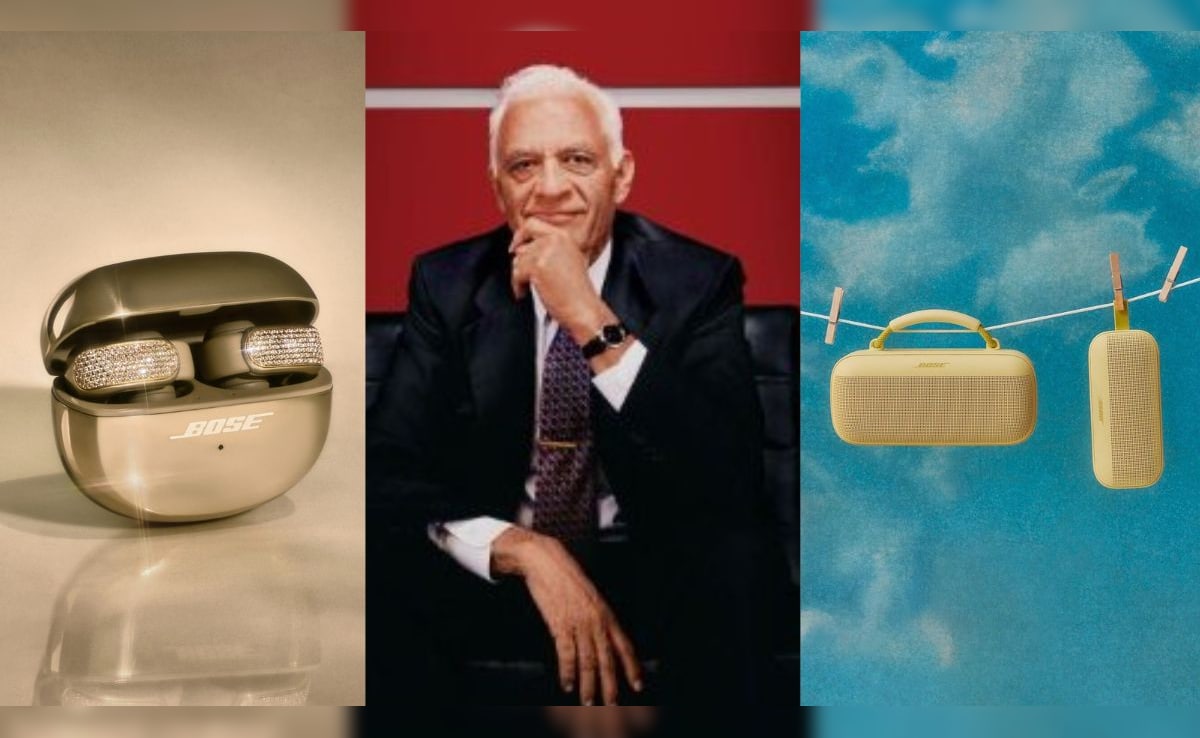
Amar Bose, born in America to Indian immigrant parents, loved sound.
Growing up, he fixed radios, developing a knack for electronics.
At MIT, he was disappointed by high-end speakers.
This led him to start the Bose Corporation.
His goal was to make better sound systems and make them sound more like live music.
Later, while on a noisy flight, he got the idea for noise-cancelling headphones.
After years of work, Bose made headphones that cancelled out unwanted noise.
Bose's inventions revolutionized how we listen to music, on planes, trains, and everywhere.

Amar Bose, the son of an Indian immigrant, founded the Bose Corporation.
Bose's interest in sound began with repairing radios as a teenager.
He was disappointed by high-end speakers, leading him to create his own company.
Bose's major innovation was the development of noise-cancelling technology.
The first noise-cancelling product was an aviation headset, later followed by consumer headphones.
- Who
- Amar Bose, an Indian immigrant's son.
- What
- Invented noise-cancelling technology and founded the Bose Corporation.
- Where
- Bose's early life was in America; the Bose Corporation is based in Massachusetts.
- When
- The idea for noise cancellation came in 1978; the first noise-cancelling product was introduced in 1989.
- Why
- Bose was driven by a passion for sound and a desire to improve listening experiences.
Key facts
- Founder
- Amar Bose
- Company Founded
- 1964
- Headquarters
- Natick, Massachusetts
- Primary Innovation
- Active Noise Cancellation
- Initial Product (1968)
- 901 Direct/Reflecting speaker system
- First Noise-Cancelling Product (1989)
- Aviation headset
- Donation to MIT
- Majority of non-voting shares in 2011
- Death
- July 12, 2013, age 83
Quotes
Dr Amar Bose
Founder of Bose Corporation and MIT faculty member
“I went and checked the specifications. Like all engineers, I thought specifications meant everything. I brought the system home, and I never was able to play more than three or four minutes of a record to the people there. Something has gone wrong!”
 NDTV
NDTV
“We don't publish specifications on any product today, we don't know of any measurements that actually determine anything about a product, and, measurements are phony, in general, as they are printed.”
NDTV
Sources
Related news
Lindsay Clancy Trial Fuels Outrage Over Disturbing TikTok Trend

Lindsay Clancy Jury Deadlocks as Murder Trial Reaches Decision
Tony Reimagines Anthony Bourdain as a Lost Young Man
Trump Administration Escalates Scrutiny of H-1B Hiring Practices
Jury deliberates in Lindsay Clancy postpartum psychosis murder trial
