

Archive · 13 Nov 2025
Teaching Children the Value and Power of Kindness
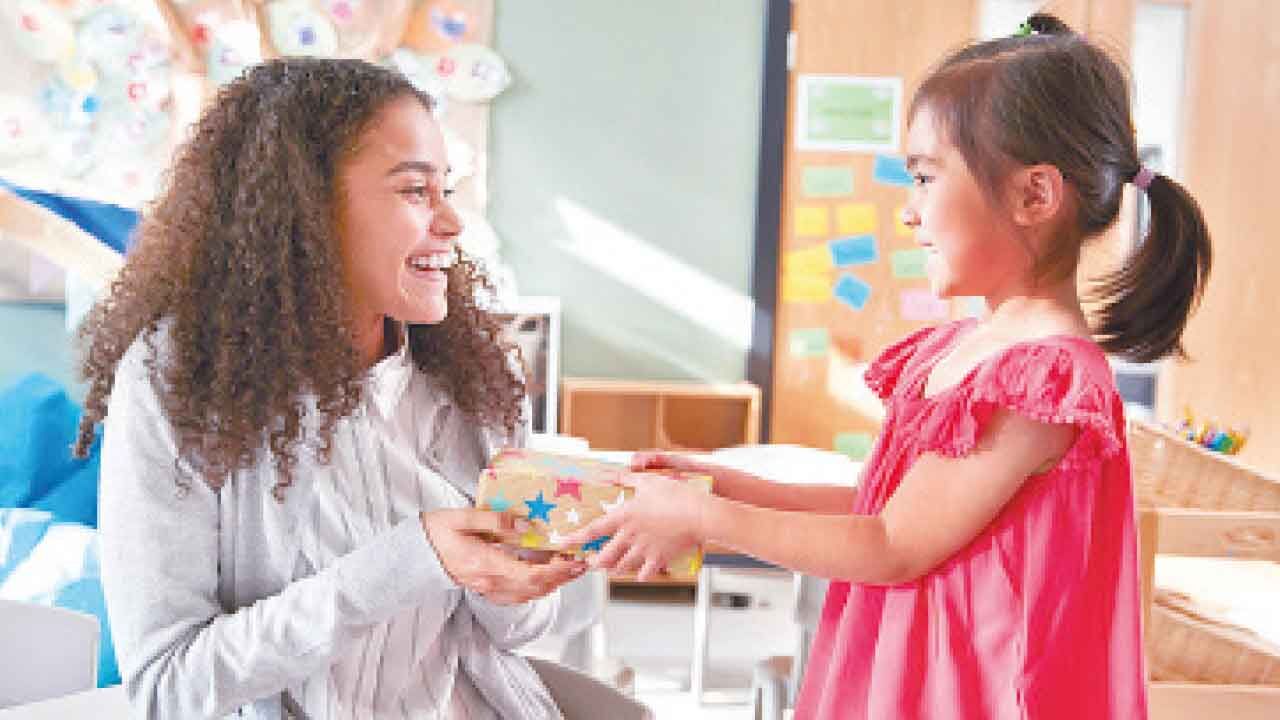
Imagine the world is like a big playground.
Being kind is like sharing your toys or helping someone up if they fall.
When kids learn to be nice, they feel happier and make their friends feel good too.
It's like a superpower that helps us understand each other and be good friends.
Even when things are tough, being kind means being brave enough to stand up for what's right and include everyone.
In today's world with computers and phones, it's extra important to be kind online, just like it is in person.
Learning kindness helps kids grow up to be good people who make the world a better place.

Teaching children kindness and empathy is crucial in a world that often prioritizes achievement and competition.
Acts of kindness benefit both the giver and receiver by releasing 'feel-good' hormones and fostering connection.
Parents and teachers are vital role models, and schools integrating social-emotional learning show improved outcomes.
True kindness requires courage, involving actions like confronting injustice and practicing forgiveness.
In the digital age, teaching respectful online communication and digital citizenship is essential for extending kindness virtually.
- Who
- Parents and teachers
- What
- Teaching children the value and power of kindness, empathy, and niceness
- When
- Today (World Kindness Day) and ongoing
- Where
- In homes, schools, and online environments
- Why
- To build bridges, nurture relationships, sustain communities, and develop well-rounded, ethical individuals.
- Concept
- Kindness and Empathy
- Key Benefit 1
- Emotional Intelligence, Resilience, Self-Worth
- Key Benefit 2
- Improved Mood and Connection (Oxytocin Release)
- Key Benefit 3
- Enhanced Academic Performance and Reduced Behavioral Issues
- Aspect of Kindness
- Courage to stand against injustice, include others, and forgive
- Modern Challenge
- Extending kindness to digital interactions, combating cyberbullying