

Archive · 28 Aug 2026
Meta Faces $17.1 Billion Settlement Over Teen Safety
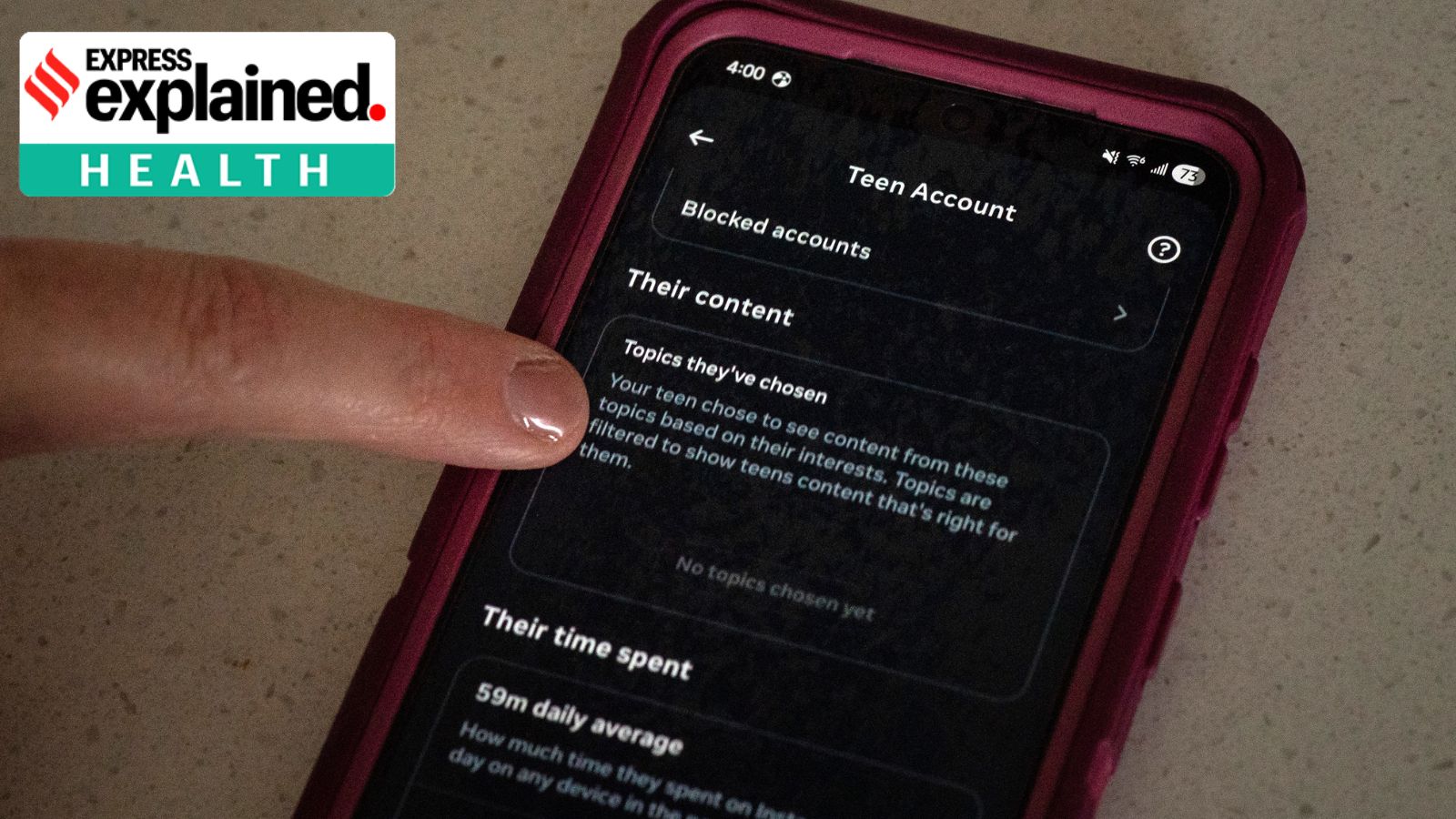
Meta, the company that owns Facebook and Instagram, agreed to make its platforms safer for teenagers.
It may also pay up to $17.1 billion under a settlement with U.S. states and territories.
Teenagers could have a daily time limit of about two hours.
The platforms may block access overnight and reduce distractions during school hours.
Parents are expected to get stronger controls and more information.
Meta also plans to improve age checks for children under 13.
Researchers say too much or overly intense social media use can be linked to anxiety, depression, loneliness, sleep problems, and trouble concentrating.
Some critics say the changes do not go far enough because recommendation systems may still encourage endless scrolling.
Dr. Johannes Thrul says the agreement is promising but should be tested independently.

Meta agreed to pay up to $17.1 billion and change Facebook and Instagram under a settlement with 47 states, Washington, D.C., and U.S. territories.
Planned protections include a roughly two-hour daily limit, nighttime restrictions, stronger parental controls, and improved age verification.
Meta may reduce engagement-focused features, including visible like counts, cosmetic filters, and some notifications.
Research cited in the article links excessive or problematic social media use with anxiety, depression, loneliness, sleep problems, and reduced academic focus.
Dr. Johannes Thrul called the agreement a step forward but said independent research and equivalent commitments from other platforms are still needed.
- Who
- Meta, 47 states, Washington, D.C., U.S. territories, and young social-media users are involved; Dr. Johannes Thrul provided expert commentary.
- What
- Meta agreed to pay up to $17.1 billion and introduce stronger protections and usage limits for users under 18.
- When
- The settlement date is not specified; the article cites studies from 2024, 2025, and 2026.
- Where
- The settlement covers the United States, including 47 states, Washington, D.C., and U.S. territories.
- Why
- The agreement addresses allegations that Meta’s platforms endangered children through addictive design and violated child-privacy norms.
Supporters and researchers
Critics and skeptics
Limits on usage
Supporters and researchers
Nighttime blocks and daily limits could improve mental health by increasing sleep and reducing excessive use.
Critics and skeptics
Time limits may not be sufficient if recommendation systems continue encouraging users to scroll and remain engaged.
Platform responsibility
Supporters and researchers
Research and the U.S. Surgeon General’s recommendations support stronger government standards and accountability for companies whose design choices may affect children’s health.
Critics and skeptics
The article notes that Meta is only one company, and it remains unclear whether TikTok, Snap, YouTube, and other platforms will accept equivalent obligations.
Effectiveness of the settlement
Supporters and researchers
The agreement contains more concrete design requirements than other U.S. regulations, including nighttime blocks, daily limits, and age assurance.
Critics and skeptics
Its actual effect on young people’s mental health remains uncertain, and Dr. Thrul says independent scientists should evaluate whether the rules work.
- Settlement amount
- Up to $17.1 billion in penalties
- Parties to settlement
- 47 states, Washington, D.C., and U.S. territories
- Proposed daily limit
- Approximately two hours for teenagers
- Nighttime restriction
- Roughly midnight to 6 a.m.
- Age verification
- Meta plans stronger checks to prevent children under 13 from accessing inappropriate accounts.
- Research evidence
- A 2024 meta-analysis of 143 studies involving more than one million adolescents linked greater engagement with higher anxiety and depression levels.
- Expert assessment
- Dr. Johannes Thrul described the agreement as a step in the right direction but called for independent evaluation.