Archive · 17 Sep 2026
Tata Sons Board Weighs RBI Listing and Chandrasekaran’s Future
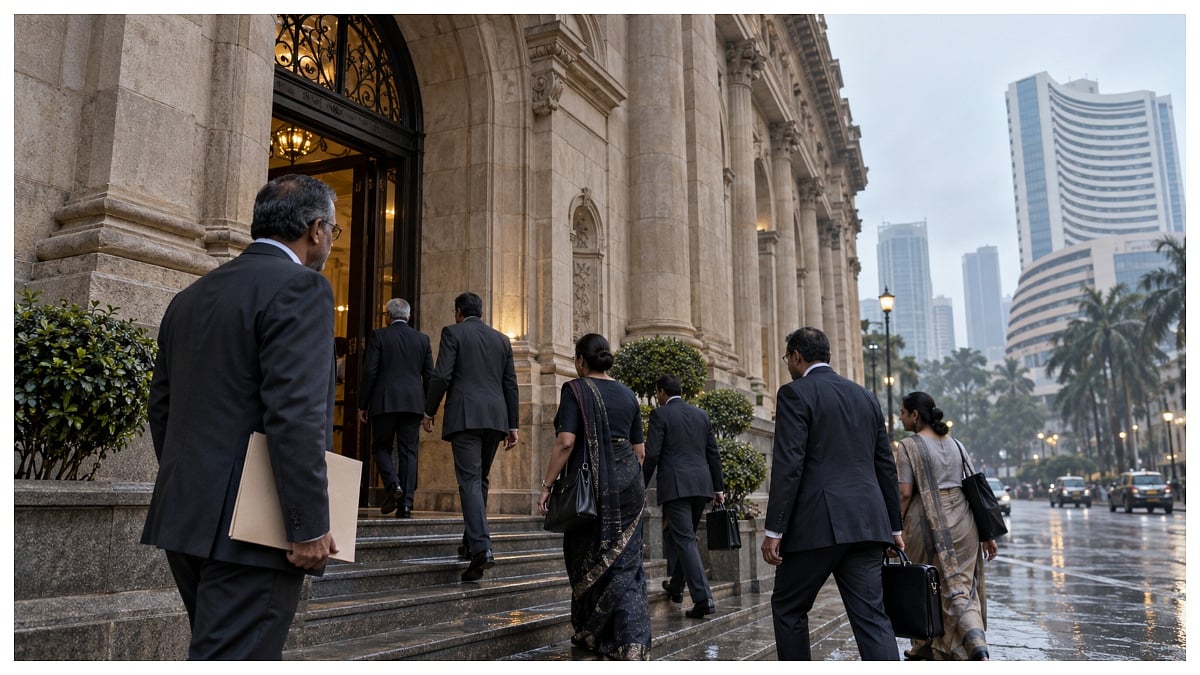
Tata Sons is the company that sits above many Tata Group businesses.
The Reserve Bank of India rejected its request to avoid rules connected to a possible stock-market listing.
This means Tata Sons must decide whether to list, seek legal relief, or consider other options.
A listing would require the company to share more information and face greater public scrutiny.
Tata Trusts, which own most of Tata Sons, generally do not want the company listed.
The Shapoorji Pallonji Group, a large minority shareholder, supports listing because it could increase the value of its investment.
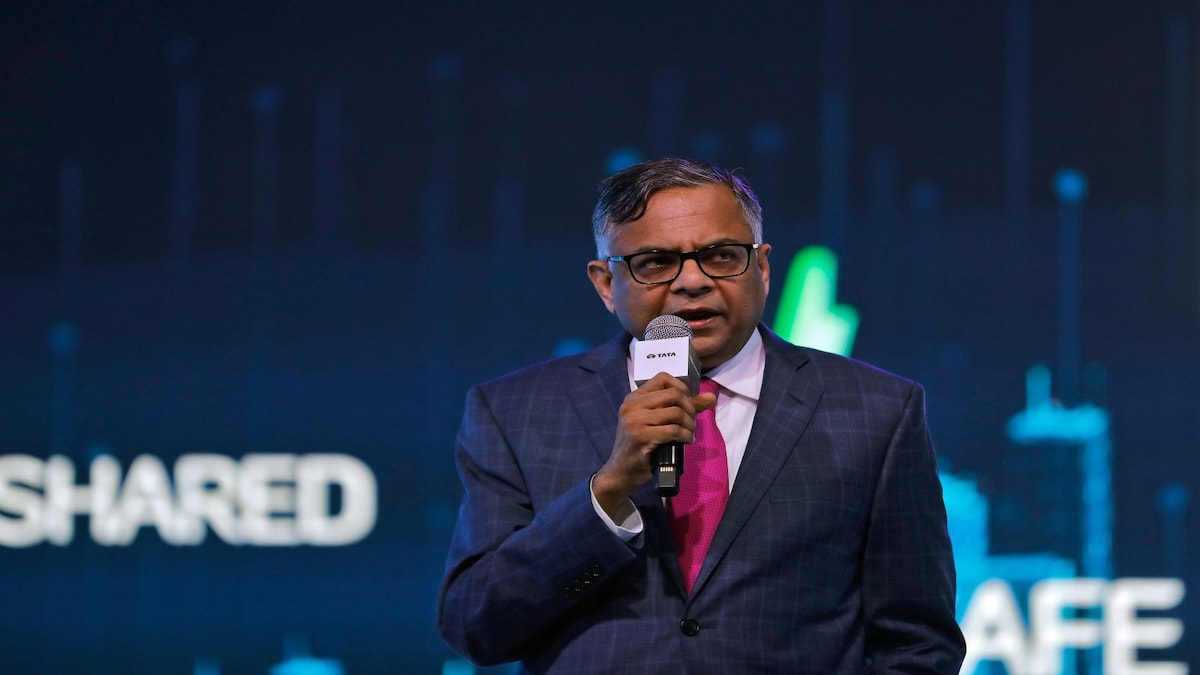
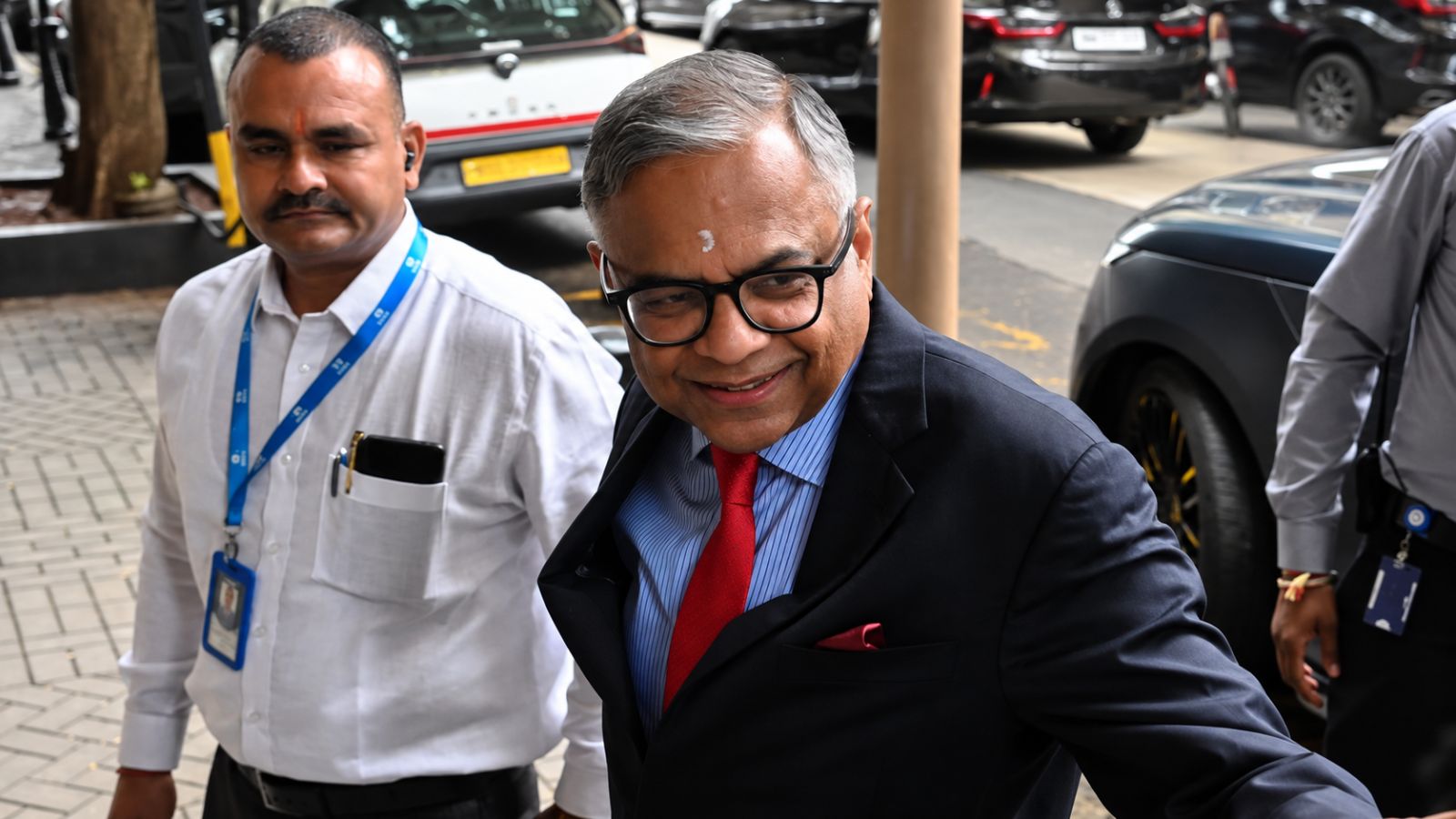
Chairman N Chandrasekaran has said he plans to leave when his current term ends in February 2027.
Some directors may ask him to stay because handling a listing and leadership change at the same time could be difficult.
Reports differ on whether this request will become a formal proposal or be put to a vote.

Tata Sons’ board is scheduled to meet on September 17 to discuss the RBI’s rejection of its exemption request.
The RBI’s decision keeps Tata Sons within the regulatory framework that could require a public listing and expanded disclosures.
The Nomination and Remuneration Committee may recommend that N Chandrasekaran reconsider leaving when his term ends on February 20, 2027, though no formal proposal or vote is confirmed.
Tata Trusts, which control about 66% of Tata Sons, generally oppose a listing, while the Shapoorji Pallonji Group supports one to unlock value from its roughly 18.4% stake.
The board must also address the adjourned August 18 AGM and delays in forming a successor-selection committee because of restrictions involving the Sir Ratan Tata Trust.
- Who
- Tata Sons’ board, N Chandrasekaran, Tata Trusts, the Reserve Bank of India, and the Shapoorji Pallonji Group.
- What
- The board will discuss the RBI’s listing decision, Chandrasekaran’s succession plans, and the unfinished AGM.
- When
- The board meeting is scheduled for September 17; Chandrasekaran’s current term ends on February 20, 2027, and the RBI rejected the request on September 11.
- Where
- The meeting concerns Tata Sons in India; potential legal proceedings would involve the Bombay High Court.
- Why
- The RBI rejected Tata Sons’ request to surrender its Core Investment Company registration after the company sought to avoid listing-related oversight and disclosures.
Support a Public Listing
Preserve the Current Structure
Transparency and oversight
Support a Public Listing
A listing would increase financial and governance disclosures, public scrutiny, and transparency across Tata Sons and its group investments.
Preserve the Current Structure
Tata Sons sought an exemption to avoid tighter regulatory oversight and expanded public disclosures.
Shareholder value and control
Support a Public Listing
The Shapoorji Pallonji Group supports listing as a way to unlock value from its approximately 18.4% stake.
Preserve the Current Structure
Tata Trusts generally oppose listing because it could affect their influence and expose their special rights to greater scrutiny.
Leadership continuity
Support a Public Listing
Directors supporting Chandrasekaran’s continuation may argue that a listing involving regulators, shareholders, and group companies would be easier with leadership stability.
Preserve the Current Structure
Chandrasekaran has said he will leave after his current term, while reports indicate that Noel Tata and Tata Trusts have favored a leadership transition. It is unclear whether any continuation proposal will be formally made or voted on.
- Board meeting
- Tata Sons’ board is scheduled to meet on September 17.
- RBI decision
- The RBI rejected Tata Sons’ application to surrender its Core Investment Company registration and obtain an exemption from the applicable listing framework.
- Reported assets
- Tata Sons reported standalone assets of ₹1.75 trillion as of March 2025.
- Debt repayment
- Tata Sons had repaid more than ₹21,000 crore of debt before seeking deregistration.
- Ownership
- Tata Trusts collectively control about 66% of Tata Sons, while the Shapoorji Pallonji Group holds about 18.4%.
- Chandrasekaran’s tenure
- N Chandrasekaran said he would not seek a third term after his current tenure ends on February 20, 2027.
- Court filing
- The RBI filed a caveat in the Bombay High Court so it can present its position if Tata Sons seeks legal relief.
- AGM and succession hurdle
- Tata Sons’ August 18 AGM was adjourned for lack of quorum, while restrictions involving the Sir Ratan Tata Trust have delayed formation of the successor-selection committee.
Sources
Tata Sons Board May Revisit N Chandrasekaran’s Exit Plan After RBI Rejects Listing Exemption

RBI listing, N Chandrasekaran's decision on agenda: What's in store as Tata Sons meet today?
Tata Sons Board Meets After RBI Setback, Listing And Leadership Questions Take Centre Stage

Tata Sons board to discuss keeping Chandra as chairman post RBI's IPO push

Tata Sons Board To Discuss RBI Listing Rejection, Chandrasekaran’s Future Amid Governance Debate
Tata Sons board meet: Chandra’s exit, RBI listing in focus

Tata Sons board meeting: RBI listing mandate, Chandrasekaran succession in focus