

Archive · 2 Oct 2025
Dermatologist Warns: Adhesive Bindis May Cause Skin Depigmentation
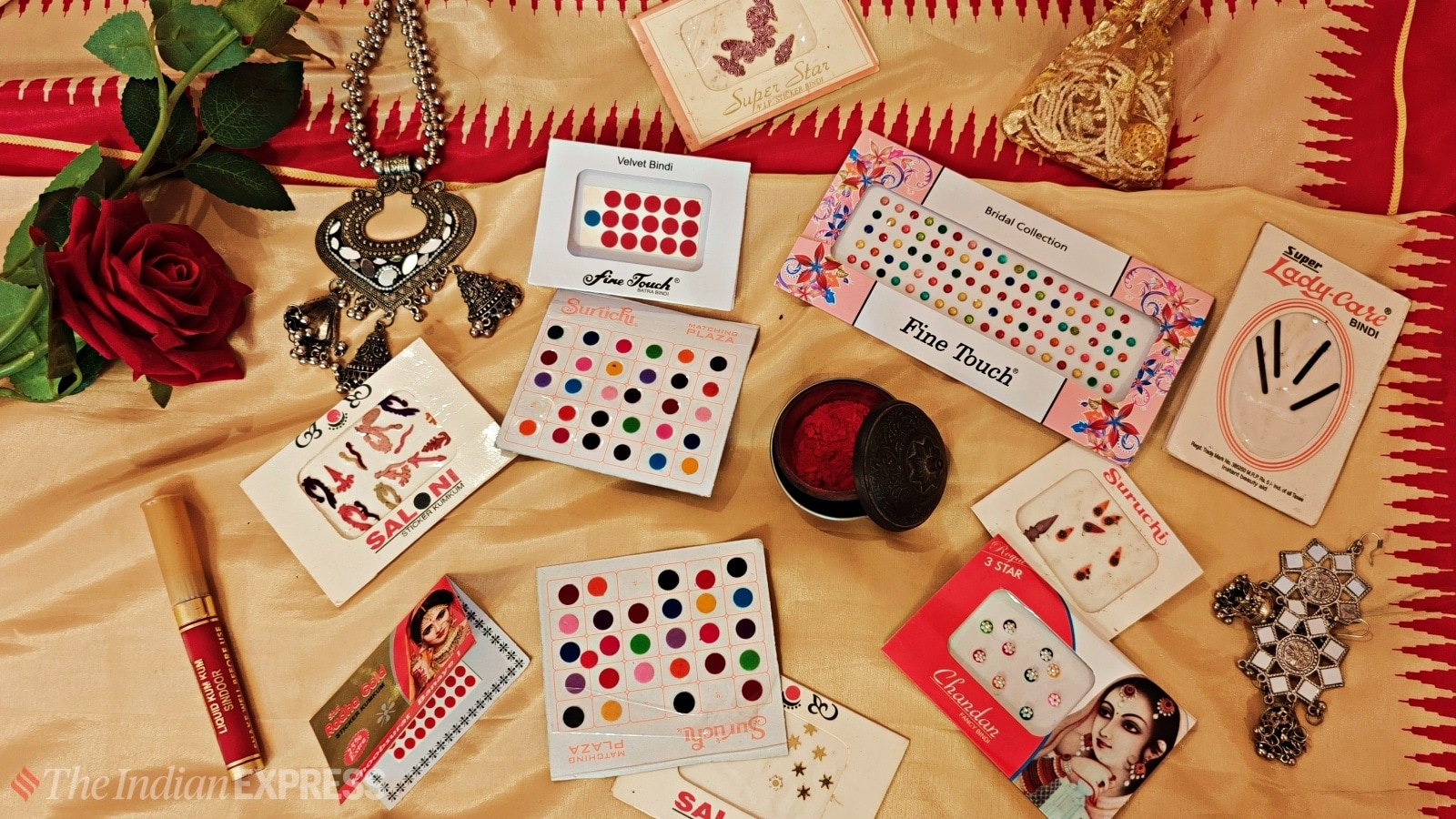
Modern, adhesive bindis often contain chemicals that can damage skin and cause loss of pigment, a condition called bindi leukoderma.
The main culprit is a chemical called PTBP in the adhesive.
Dermatologists recommend using traditional bindis made from kumkum, which is safer.
The longer you wear the adhesive bindis, the higher the risk of getting this condition, particularly in hot and humid environments.
If you experience an allergic reaction, discontinue use immediately.
Alternatively, you can make bindis from home using turmeric for color, but avoid ingredients like lime or ghee if you have sensitive skin.

Adhesive bindis can cause bindi leukoderma, a loss of skin pigment.
The chemical p-tertiary butyl phenol (PTBP) in the adhesive is the cause.
Hot and humid climates increase the risk of skin damage.
Traditional kumkum bindis are the safest option.
Homemade bindis can be made with turmeric, but not lime or ghee for all skin types.
- Who
- Dermatologist Dr. Geetika Srivastava
- What
- Warned about the potential for skin depigmentation (bindi leukoderma) caused by chemicals in adhesive bindis.
- When
- Information provided in the article is current.
- Where
- Delhi's Influennz Clinic is mentioned.
- Why
- To inform readers about the risks associated with modern bindis and promote safer alternatives.
- Condition
- Bindi leukoderma (skin depigmentation)
- Cause
- p-tertiary butyl phenol (PTBP) in bindi adhesives
- Traditional Bindis
- Made from kumkum, vegetable, or mineral dyes
- Risk Factors
- Hot, humid climates and prolonged use increase risk
- Alternative
- Homemade bindis using turmeric; avoid lime & ghee
- Warning
- Discontinue use if allergic reaction occurs to prevent damage