Archive · 22 Jan 2026
Supreme Court Hears SIR Case
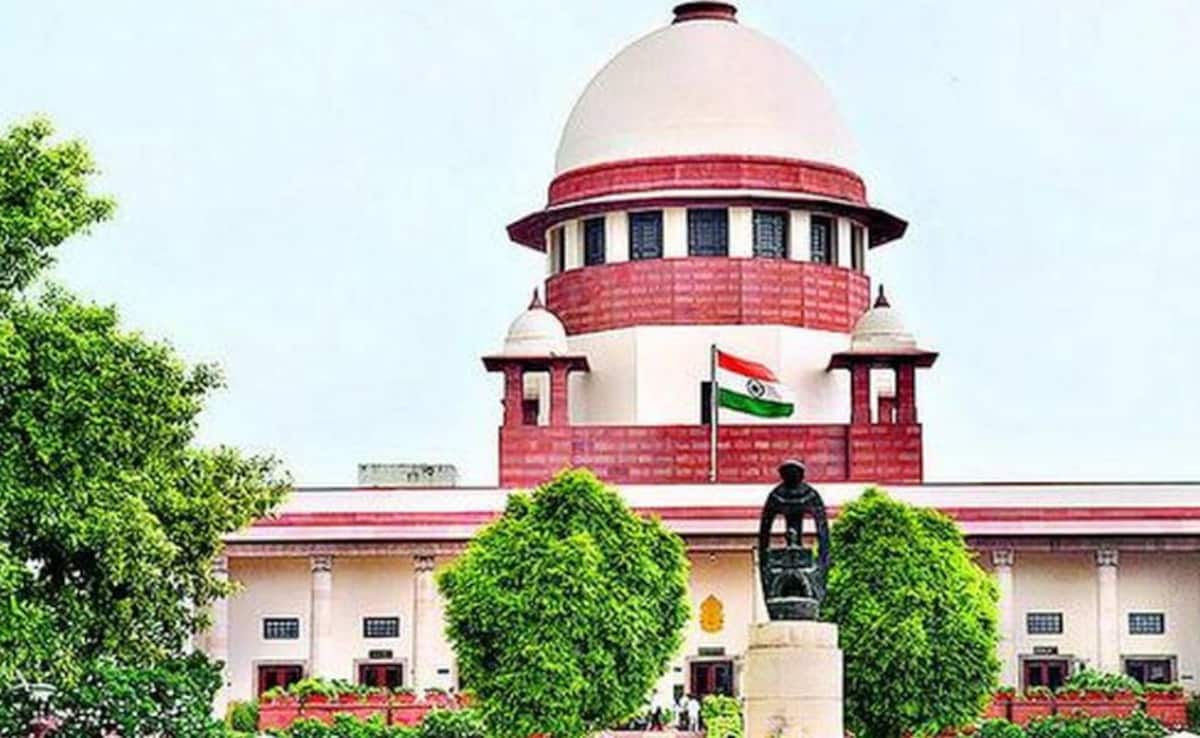
The Supreme Court was hearing a case about the Special Intensive Revision (SIR) done by the Election Commission.
During the hearing, a lawyer mentioned a 1977 court decision that talked about British leaders like Winston Churchill.
The judges said this might not be accurate because India had democratic systems even before British rule.
They talked about old kingdoms in Bengal and Bihar that had democratic practices.
The lawyer agreed and said India should move away from thinking like it was colonised.
The judges also praised a recent decision by the Chief Justice about equality and fraternity in the Constitution.
Meanwhile, the Election Commission directed the West Bengal government to strictly comply with the Supreme Court’s order on the SIR, ensuring smooth proceedings and strict action for any non-compliance.

The Supreme Court hearing on the Special Intensive Revision (SIR) by the Election Commission turned into a debate on decolonisation and the historical roots of democracy in India.
Senior Advocate Rakesh Dwivedi questioned why a 1977 Supreme Court judgment referenced British colonisers like Winston Churchill to support its arguments.
Justice Joymalya Bagchi mentioned that democracy in India predates British rule, citing examples like the Pal dynasty in Bengal and democratic city states in Bihar.
Dwivedi argued that the Indian Constitution is not a copy of the Government of India Act and that the underlying spirit of the Constitution is different.
The bench praised a recent judgment by CJI Surya Kant on the Citizenship Act, highlighting the principles of fraternity and equality in the Constitution.
- Who
- Supreme Court of India, Senior Advocate Rakesh Dwivedi, CJI Surya Kant, Justice Joymalya Bagchi, petitioners challenging the Special Intensive Revision (SIR) in Bihar, Election Commission of India (ECI), West Bengal government
- What
- A hearing on the constitutional validity of the Special Intensive Revision (SIR) conducted by the Election Commission turned into a debate on decolonisation and the historical roots of democracy in India. The ECI directed the West Bengal government to comply with the SC order on SIR.
- When
- Tuesday (specific date not mentioned), 24 January 2026 (deadline for displaying names)
- Where
- Supreme Court of India, West Bengal
- Why
- The debate arose from a 1977 Supreme Court judgment that referenced British colonisers to support its propositions, leading to a discussion on the origins of democracy in India and the need for decolonisation of mindset. The ECI directed compliance to ensure smooth SIR proceedings.
- Case
- Mohinder Singh Gill & Another Vs The Chief Election Commissioner, New Delhi
- Court
- Supreme Court of India
- Bench
- CJI Surya Kant and Justice Joymalya Bagchi
- Petitioners
- Challengers of the Special Intensive Revision (SIR) in Bihar
- Key Figures
- Senior Advocate Rakesh Dwivedi, Justice V R Krishna Iyer (author of the 1977 judgment)
- Historical References
- Winston Churchill, William Pitt, Benjamin Disraeli, Pal dynasty in Bengal, Bihar's democratic city states
- ECI Directive
- West Bengal government to comply with SC order on SIR
- SIR Deadline
- Names of 'Logical Discrepancies' and 'Unmapped' to be displayed by 24 January 2026