Archive · 26 Jul 2025
India's Military Doctrine Evolves: From Kargil to Op Sindoor

The Kargil War taught India important lessons about fighting.
Since then, India's military has become much stronger and smarter.
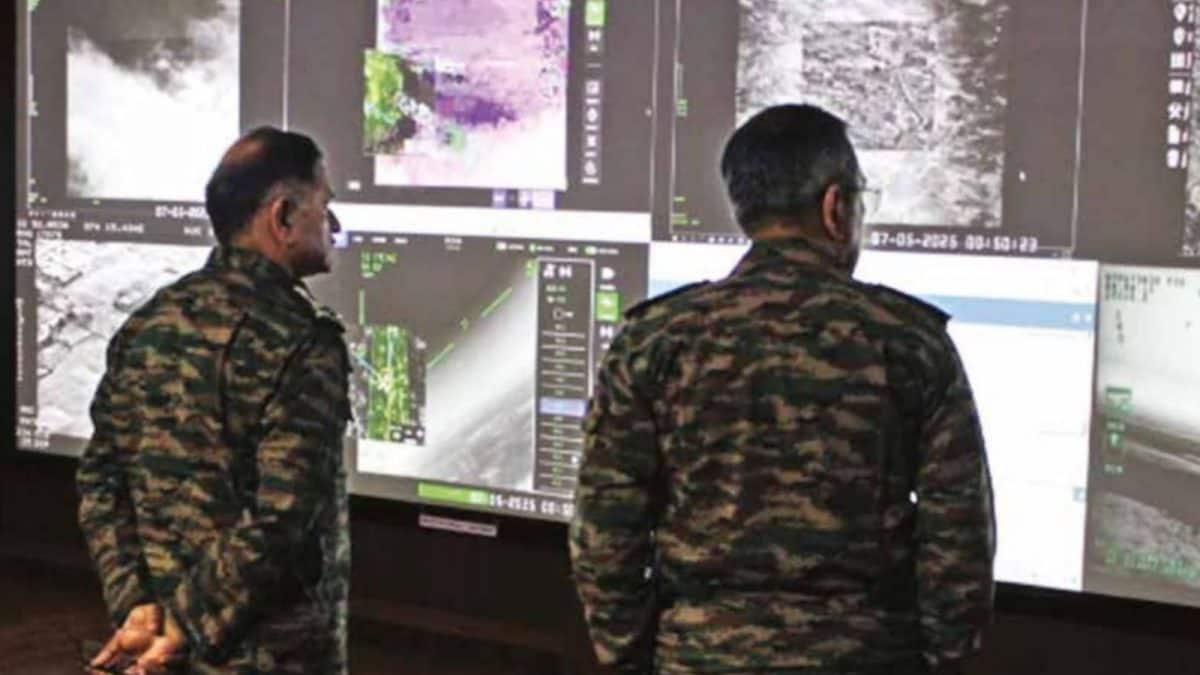
Operation Sindoor shows how India now uses advanced technology to quickly and accurately strike at those who attack them, even in other countries.
India is now less reliant on outside help and focuses on its own abilities.
This shift means India can now better defend itself and hold those responsible for attacks accountable.

Operation Sindoor signifies a shift in India's military doctrine since the Kargil War.
Pakistan continues to use proxy actors and deny involvement in cross-border attacks.
India's response to aggression has evolved, emphasizing indigenous strength and technology.
Operation Sindoor involved rapid, high-precision strikes deep into enemy territory.
India's approach now includes targeting patrons of proxy groups, not just the proxies.
- Who
- The Indian Armed Forces and Pakistan's military.
- What
- The evolution of India's military doctrine from the Kargil War to Operation Sindoor.
- When
- Operation Sindoor was launched in 2025, after the Kargil War in 1999.
- Where
- Deep into enemy territory, including Pakistan's Punjab.
- Why
- To respond to cross-border attacks and redefine the deterrence paradigm.
India's Stance
Pakistan's Actions
Defense Strategy
India's Stance
India's response focuses on its own defense capabilities.
Pakistan's Actions
Pakistan uses proxy groups.
- Operation Name
- Operation Sindoor
- Conflict Era
- Post-Kargil War
- Key Strategy Shift
- Indigenous strength and technology
- Pakistan's Tactics
- Proxy warfare and denial
- India's Response
- Rapid, high-precision strikes