2 hrs ago
Babul Supriyo Revisits Sonu Nigam Royalty Dispute
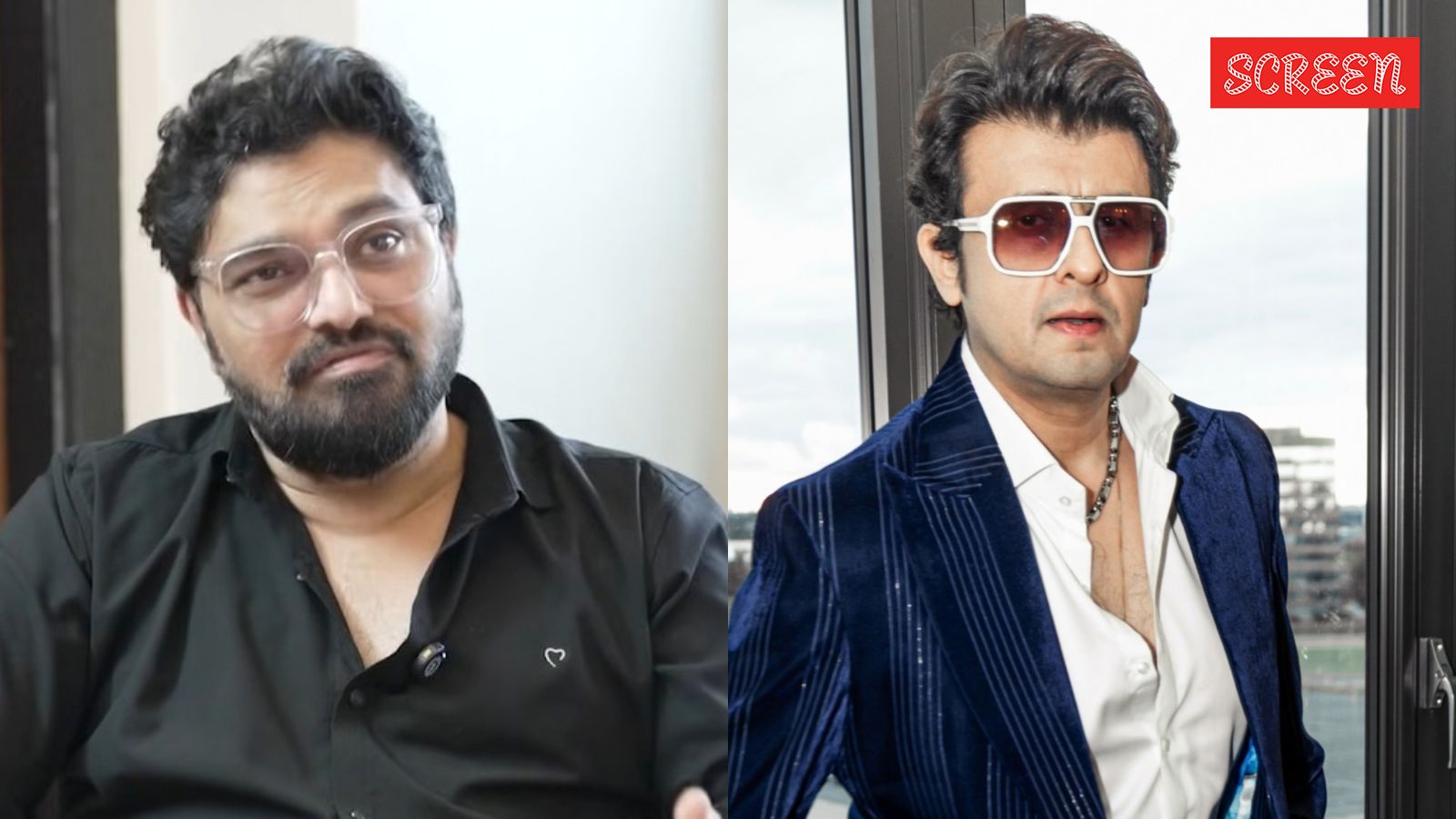
Babul Supriyo and Sonu Nigam once argued about how singers should be paid.
The disagreement happened in 2005 at a music gathering.
Sonu said the argument was verbal, not a physical fight.
The issue involved royalties, which are payments artists can receive when their music is used again.
Babul said he worried that music companies might punish singers who asked for a fair share.
He compared their disagreement with a similar dispute between Lata Mangeshkar and Mohammed Rafi.
Lata and Rafi stopped singing together for several years after their argument.
Babul says he and Sonu are now friendly, and that music’s digital growth has improved the situation.

Babul Supriyo said his 2005 disagreement with Sonu Nigam concerned singers’ royalty rights.
The argument reportedly occurred at Aadesh Shrivastava’s birthday gathering in Mumbai and was not physical, according to Sonu Nigam.
Babul compared the dispute with the earlier royalty disagreement between Lata Mangeshkar and Mohammed Rafi.
He said older royalty contracts often benefited singers mainly when they had hit songs, leaving others without payments.
Babul said he and Sonu are now on good terms and that digital music has created a larger revenue pool for artists.
- Who
- Singers Babul Supriyo and Sonu Nigam were involved; the discussion also concerned Lata Mangeshkar and Mohammed Rafi’s earlier dispute.
- What
- A disagreement over singers’ royalties and revenue-sharing arrangements was revisited by Babul Supriyo.
- Where
- The 2005 argument reportedly occurred at Aadesh Shrivastava’s birthday celebration at Sun-n-Sand in Juhu, Mumbai.
- When
- The Babul-Sonu argument took place in 2005; Babul discussed it recently with SCREEN.
- Why
- The dispute centered on whether singers should receive continuing payments when their music is used and how music companies handled those payments.
Royalty Advocates
Traditional Payment View
Whether singers should receive continuing royalties
Royalty Advocates
Lata Mangeshkar, Sonu Nigam and other advocates argued that singers should receive payments when their recordings continue to generate income.
Traditional Payment View
The opposing view, associated with Mohammed Rafi’s position as described by Lata, was that singers were paid by producers for what they sang and should not receive additional payments.
Risk of challenging music companies
Royalty Advocates
Babul said artists deserved fairer royalty arrangements and that singers with fewer hit songs were often deprived of royalties.
Traditional Payment View
Babul also said he feared music companies could act against singers who demanded royalties, including by withholding songs or seeking shares from performances.
Key facts
- Main issue
- Royalties and revenue-sharing for singers
- Babul-Sonu dispute
- A heated verbal exchange was reported in 2005
- Reported venue
- Sun-n-Sand, Juhu, Mumbai
- Singers’ association
- Sonu Nigam and Alka Yagnik had formed the Singers’ Association of India
- Historical comparison
- Lata Mangeshkar and Mohammed Rafi had a royalty disagreement in 1963
- Cold-war duration
- Lata and Rafi reportedly avoided singing together for three to four years
- Current relationship
- Babul said he and Sonu are now in a good space
- Music market change
- Babul said digital music has greatly increased the money generated by music
Quotes

Lata Mangeshkar
Singer recalling her royalty dispute with Mohammed Rafi
“A similar fallout happened even between Lata Mangeshkar and Rafi Sahab; it was over the same thing. It’s best to move forward. Whatever misunderstanding happened was in the past; he is doing a great job right now. The old musicians are helping singers who don’t get to earn now, so it’s taken a good direction; music companies have accepted that fact. It’s a good fight that they have done.”
 indianexpress.com
“Yes, there was an argument, but not a physical one. Though if it had come to that, I wouldn’t have minded. I have not beaten up anyone for a long time.”
indianexpress.com
Sources
Related news
Amaal Mallik Addresses Father’s Silence In Credit Dispute
Rapperiya Baalam Alleges Mirzapur Used Shoorveer Without Permission
Shoorveer Licensing Dispute Deepens Over Mirzapur Film Use
Amaal Mallik Warns Trolls Over Main Hoon Hero Tera Credits
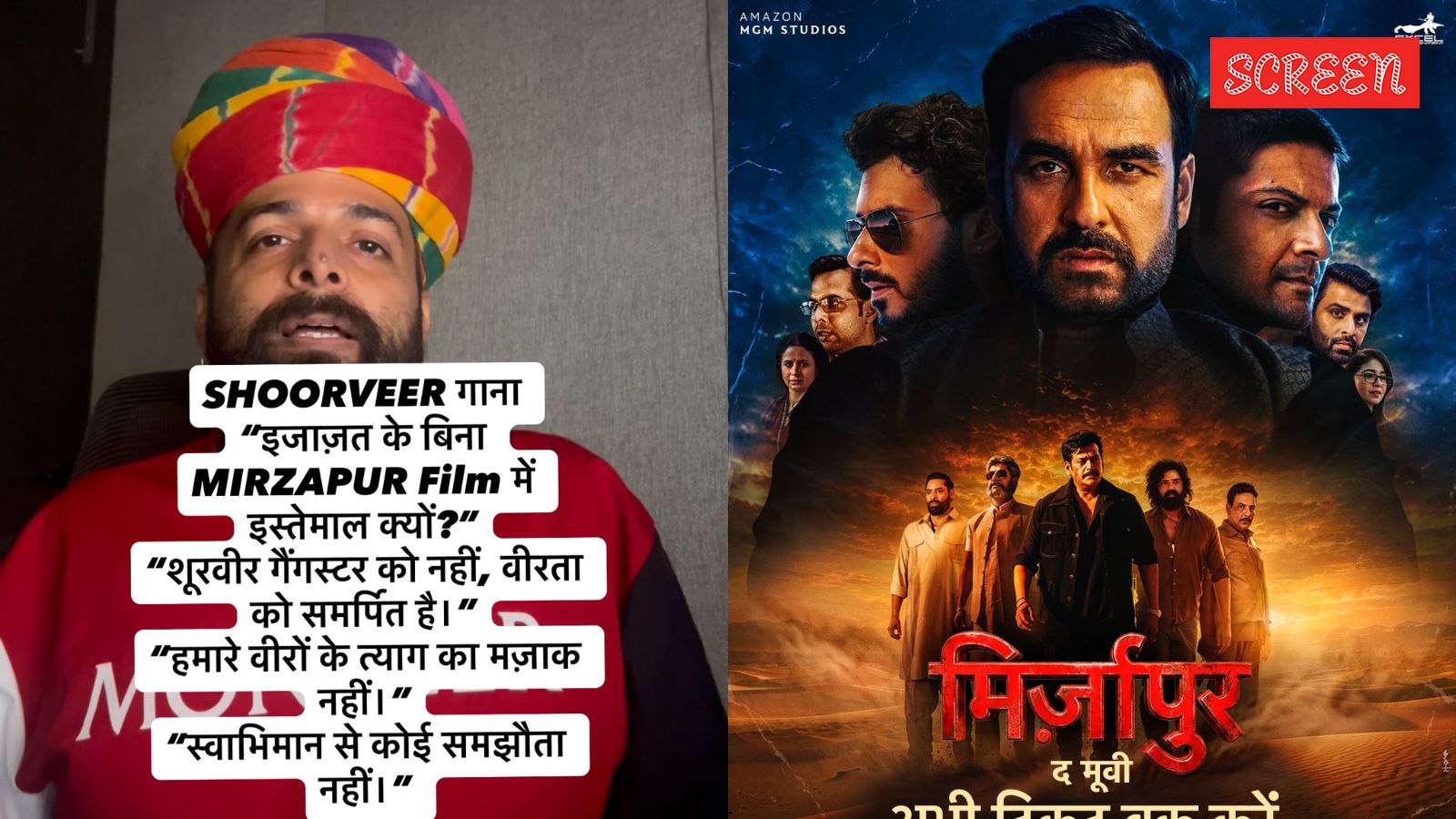
Mirzapur Film Faces Plagiarism Claim Over Maharana Pratap Song
Sameer Criticizes Bollywood’s Shift From Songs To Background Music
Ranbir Kapoor Praises Gurudevshri’s Youth Appeal and Spirituality

Coke Studio Pakistan’s ‘Peechay Hutt’ Reaches Netflix Film
Sanjeev Thomas Records Collaborative Live Album in Four Days

Best of the Best Stars Discuss Bollywood Dance Crew Picks