

Archive · 3 Aug 2026
India Urges Broader Conservation Beyond Protected Areas
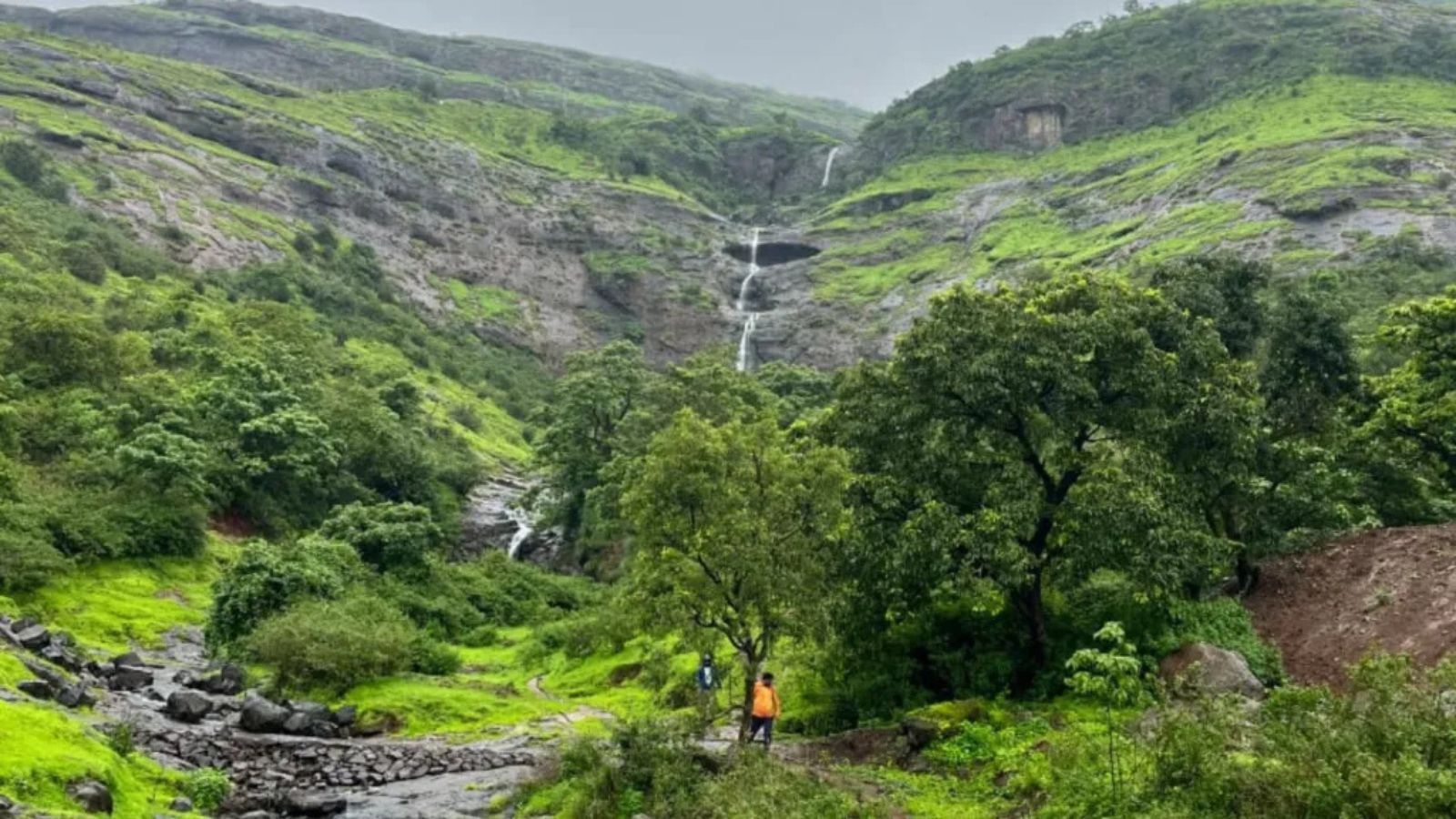
India has many protected parks and wildlife areas that help keep animals safe.
But animals don’t stay inside one park; they travel across forests, rivers, and farms.
Climate change and new roads break up these places.
So scientists say we need to protect the whole landscape, not just separate parks.
They suggest using a new idea called OECMs to recognize other important places like community forests and wetlands that already help wildlife.
The goal is to connect all these places so the whole country stays healthy for animals and plants.

India has built a robust protected‑area network over five decades, covering key species, habitats and ecological processes.
Modern conservation must go beyond isolated parks, addressing wildlife movement, river connectivity, climate change and infrastructure fragmentation.
The Convention on Biological Diversity’s Other Effective Area‑based Conservation Measures (OECMs) offer a framework to recognize non‑formal conservation landscapes.
India should treat OECMs as a tool to acknowledge forests, wetlands, community‑managed lands that already contribute to biodiversity.
The priority is to recognize, connect and strengthen all landscapes that sustain India’s biodiversity, rather than adding more protected areas.
- Who
- India’s conservation authorities and scientists
- What
- A call to broaden conservation beyond protected areas to include connected landscapes
- When
- Current 21st‑century context
- Where
- India
- Why
- Wildlife moves across landscapes, climate change and infrastructure fragment habitats, making isolated parks insufficient
- Protected Area Network
- Robust, built over five decades
- OECMs
- Framework for non‑formal conservation areas
- Goal
- Recognize, connect, strengthen all biodiversity landscapes
- Challenge
- Fragmentation, climate change, infrastructure expansion
- Recommendation
- Treat OECMs as a tool, not just reporting