

Archive · 1 Nov 2025
Mosquitoes Discovered in Iceland, Signaling Climate Change Impact
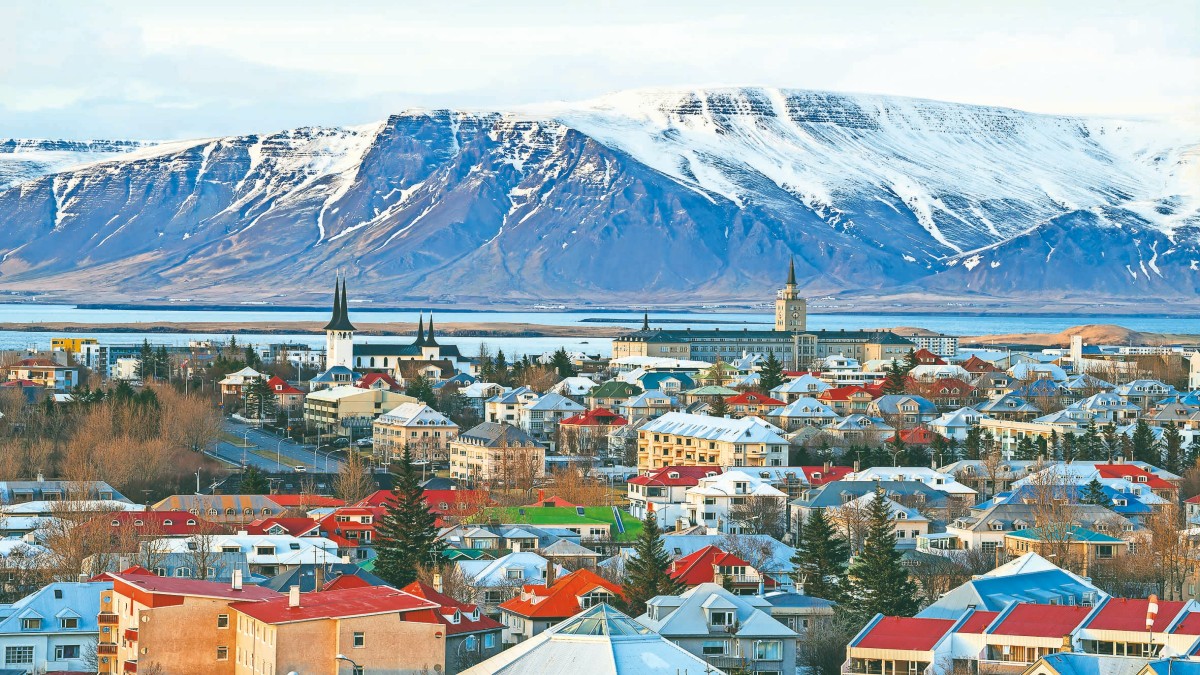
Imagine Iceland was like a special house where bugs couldn't get in because it was too cold and windy.
But now, the weather is changing, and it's getting warmer, even in Iceland.
This year, tiny flying bugs called mosquitoes, which are usually found in warmer places, were found there!
Scientists found a few, and they don't spread serious sicknesses like some other mosquitoes.
However, their visit is like a little warning sign.
It tells us that the whole planet is getting warmer, especially the very cold places like the Arctic.
This warming is making it possible for new bugs and animals to start living in places they couldn't before.
It shows that our Earth is changing faster than we thought, and it's important to pay attention to these small signs.

Mosquitoes, specifically the Culiseta annulata species, have been discovered living in the wild in Iceland for the first time.
While this species does not transmit major human diseases, its presence is linked to Iceland's warming climate and broader changes in the Arctic.
Scientists believe the mosquitoes arrived through imported goods but cannot yet complete their life cycle in Iceland due to cool summers and constant winds.
Iceland's average temperatures have been rising, with milder winters and warmer, longer summers observed over recent decades.
The discovery is seen as an indicator of rapid environmental transformations occurring in Arctic and subarctic regions due to global warming.
- Who
- Entomologists at the Natural Science Institute of Iceland
- What
- Confirmed the discovery of mosquitoes living in the wild in Iceland
- When
- This year
- Where
- Iceland, near Reykjavík
- Why
- Believed to have arrived via imported goods or cargo, with their presence attributed to a warming climate and Arctic changes.
Scientific Concern
Species-Specific Impact
Broader Implications of Mosquito Presence
Scientific Concern
The discovery of mosquitoes in Iceland is a critical indicator of significant global climate change, particularly the accelerated warming in the Arctic, which is reshaping ecosystems at an unprecedented rate and potentially allowing for the spread of other species and diseases.
Species-Specific Impact
While the presence of mosquitoes is linked to climate change, the specific species found in Iceland (Culiseta annulata) is relatively harmless and does not transmit major human diseases, nor can it yet complete its life cycle due to local environmental conditions.
Global Warming Indicators
Scientific Concern
Mosquitoes are sensitive environmental indicators, and their northward expansion, along with other species like marine life, serves as a biological marker for global warming, with the Earth 'darkening' and absorbing more solar energy.
Species-Specific Impact
The phenomenon of species shifting ranges, like mosquitoes moving into Iceland or marine species moving to higher latitudes, demonstrates the adaptive capacity of nature to changing environmental conditions, highlighting specific biological responses rather than a universal threat from this single species.
- Mosquito Species Found
- Culiseta annulata
- Location of Discovery
- Near Reykjavík, Iceland
- Confirmation Body
- Natural Science Institute of Iceland
- Arctic Warming Rate
- Nearly four times faster than global average (1979-2021)
- Island's Previous State
- Largely mosquito-free