3 weeks ago
REIT, InvIT Dividend Tax Relief Set to Boost Investor Returns

Imagine a group of people buy big buildings like malls or offices.
A REIT is a company that does this, and an InvIT helps pay for big things like highways.
When these groups earn money, they share some of it with investors, and that share is called a dividend.
In India, lawmakers in the Lok Sabha made a new rule.
The rule says the government will stop taking tax on these dividends, no matter which tax system the building group chose.
Earlier, investors had to pay tax on dividends if the group picked the new tax way.
Lawmakers also added a small extra fee on some related companies.
Experts think more people will now want to invest because the tax rules are clearer.
But the rule only covers dividends — money from interest or selling units is still taxed.
So investors keep more of their dividend money, but must still check what their payout is made of.

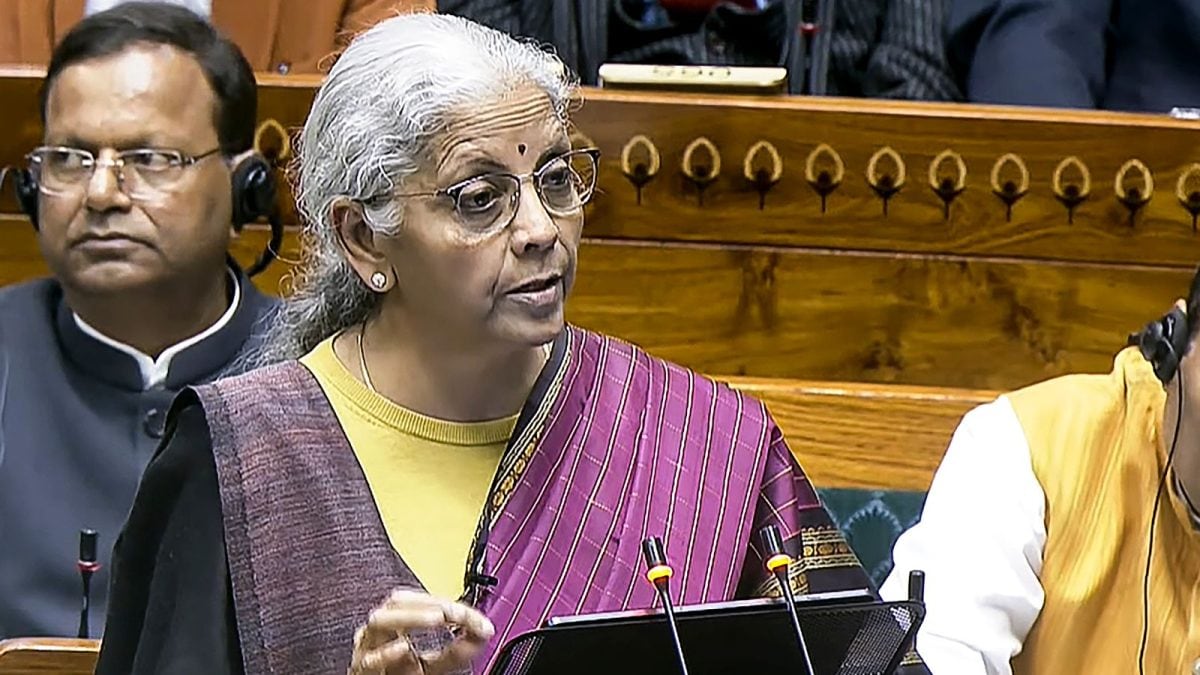
The Lok Sabha passed the Taxation and Other Laws (Amendment) Bill, 2026, on 6 August, proposing to exempt REIT and InvIT dividends from tax even when the underlying SPV opts for the new tax regime.
Previously, the dividend exemption applied only when the SPV chose the older corporate tax regime; the amendment removes that condition.
The amendment also increases the surcharge on special purpose vehicles (SPVs) of these trusts.
Experts expect the move to boost inflows, broaden the investor base, deepen institutional participation and attract passive investment ahead of REITs' inclusion in Nifty equity indices in September 2026.
Experts caution that only the dividend component is exempt — interest, rental income and capital gains remain taxable, and TDS on dividends must still be claimed back at filing.
- Who
- REIT and InvIT unit holders in India, including retail investors, HNIs, UHNIs, family offices, institutional investors and corporate treasuries; experts Chintak Shah (Anand Rathi Wealth), Parag Jain (1 Finance), Karan Shah (Neo Wealth) and Vaibhav Porwal (Dezerv) commented.
- What
- A Lok Sabha amendment exempting dividends paid by REITs and InvITs from tax under the new tax regime, while increasing the surcharge on their special purpose vehicles (SPVs).
- Where
- India (passed by the Lok Sabha).
- When
- The Taxation and Other Laws (Amendment) Bill, 2026, was passed by the Lok Sabha on 6 August; if enacted, the dividend exemption applies regardless of the SPV's tax regime, ahead of REITs' inclusion in Nifty equity indices in September 2026.
- Why
- To improve post-tax investor returns, restore tax neutrality in the pass-through structure and remove the structural quirk where investors paid tax based on a trust's choice of tax regime, while boosting participation and inflows.
Key facts
- Amending legislation
- Taxation and Other Laws (Amendment) Bill, 2026
- Passed by
- Lok Sabha on 6 August
- Tax relief
- Dividend exemption for REIT and InvIT unit holders under the new tax regime
- Previous rule
- Exemption only when the underlying SPV opted for the older corporate tax regime
- Other change
- Increased surcharge on special purpose vehicles (SPVs) of these trusts
- Nifty inclusion of REITs
- September 2026
- Example tax saving
- A 30% bracket investor's tax of ~₹23,400 on a ₹75,000 dividend would fall to nil
- Still taxable
- Interest, rental income and capital gains; TDS on exempt dividends recoverable as credit or refund
Quotes
Parag Jain, tax head at 1 Finance
Tax analyst, CA, 1 Finance
“Karan Shah, head – fixed income and real assets, Neo Wealth said that the timing of this exemption ahead of inclusion of REITs within Nifty equity indices in September 2026 gives the combined benefit of tax certainty and improved market representation for investors.”
 financialexpress.com
“Vaibhav Porwal, co‑founder, Dezerv said that the move fixes a structural quirk where investors had to pay tax for the choice of tax regime by the trust despite not having any say in the decision.”
financialexpress.com
Sources

Related news

REIT and InvIT Distributions Create Complex Tax Compliance
Lok Sabha Passes Taxation and Other Laws (Amendment) Bill, 2026

Sebi proposes depository receipts for REIT, listed InvIT units

High-Yield Investments Require More Than Attractive Payouts

Ashish Dhawan Builds Religare Stake Amid Restructuring Uncertainty

Why SIPs Alone Cannot Guarantee Financial Security

Rays of Belief IPO Draws Retail Demand, QIBs Hold Back

Foreign Portfolio Investors Buy ₹30,918 Crore as Markets Stay Cautious

Why Young Investors Should Not Avoid Debt Mutual Funds