

Archive · 30 Jul 2026
India Warns of Fiscal Risk from Rising Oil Prices
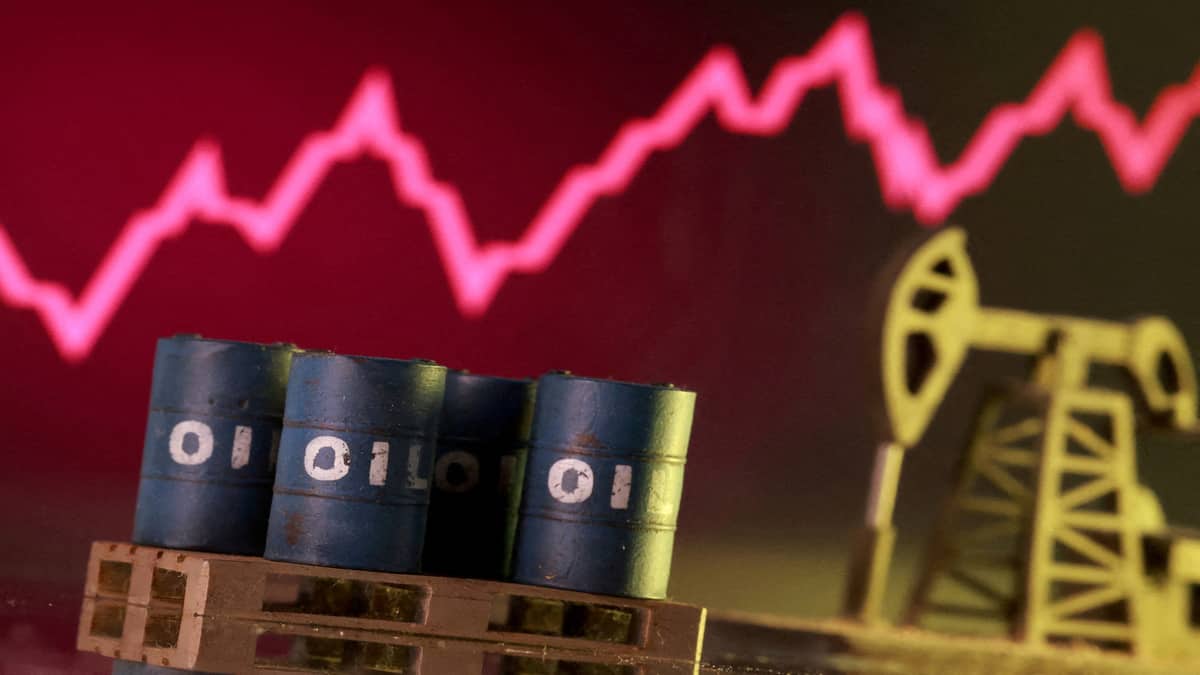
India’s government says that if oil prices stay high for a long time, it could hurt the country’s money.
India buys most of its oil from other countries, so when oil costs more, the government has to spend more.
This can make the country owe more money and make everyday things like gas and food more expensive.
The government also worries that bad weather, like El Niño, could make farming harder and add to the problem.
Even with these worries, the government thinks India can still grow in the future by making more things inside the country.

India’s Finance Ministry warns that sustained high crude oil prices could widen fiscal deficit and current account deficit.
India imports about 85% of its crude oil, making it vulnerable to global price spikes.
Geopolitical tensions in West Asia, especially in the Gulf, are cited as a major source of uncertainty for energy markets.
The July Economic Review also flags El Niño transition as a potential downside risk to the economy.
Despite risks, the review projects medium‑term growth optimism, citing strategic sector initiatives to reduce import dependence.
- Who
- Indian Finance Ministry
- What
- Warned that sustained high crude oil prices could widen fiscal deficit and current account deficit
- When
- July Economic Review released on Wednesday
- Where
- India, with global energy market context
- Why
- High oil prices raise import costs, fuel inflation, and pressure government finances
- Fiscal risk
- High crude oil prices could widen fiscal deficit
- Import share
- 85% of crude oil imported
- Geopolitical risk
- West Asia tensions affecting energy markets
- El Niño risk
- Potential downside risk to economy
- Strategic sectors
- Semiconductors, critical minerals, shipbuilding, coal gasification