

Archive · 1 Jan 2026
India's Microgrids Boost Climate Resilience
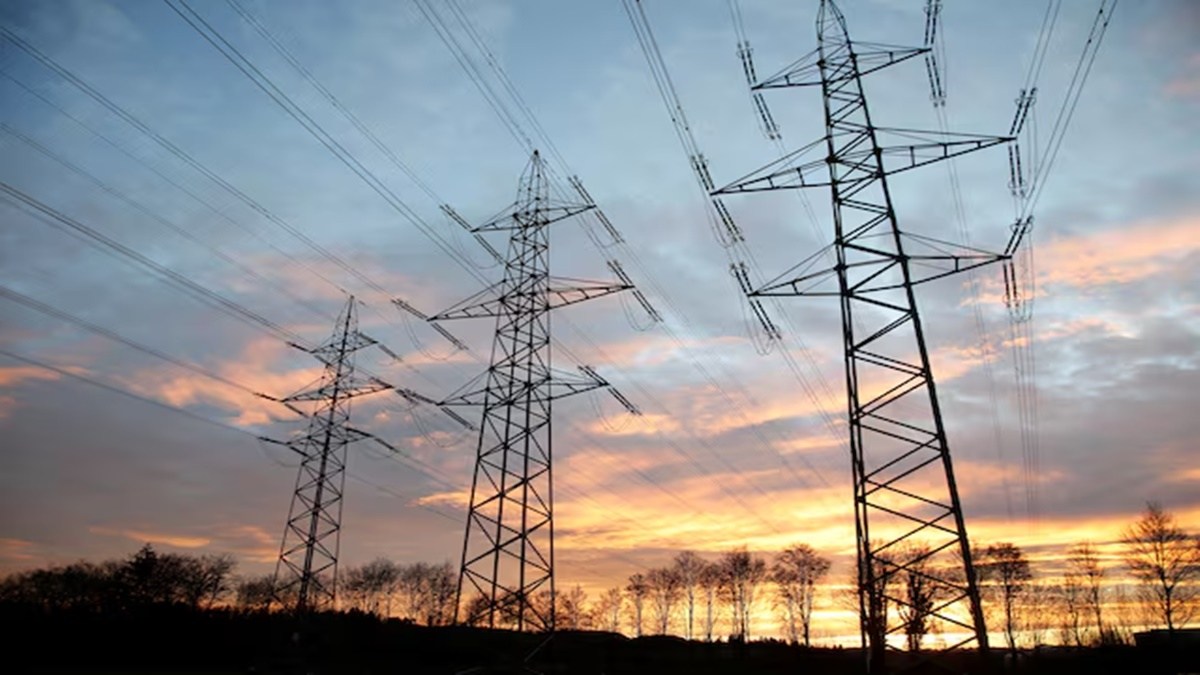
India is facing challenges with unreliable electricity, especially during extreme weather.
To fix this, the country is looking at small, local power systems called microgrids.
These microgrids use solar panels and batteries to provide electricity when the main power grid fails.
They are designed to be strong and can withstand bad weather.
Communities can own and manage these microgrids, which makes them more reliable and helps with local development.
Setting up microgrids doesn't require a lot of money and can be funded through a mix of public and private money.
India plans to focus on states where electricity is least reliable and climate risks are highest.
This approach not only helps with climate resilience but also supports economic growth and community development.

India is promoting microgrids to enhance electricity reliability and climate resilience.
Microgrids are designed to be resilient and can function as a secondary power supply during grid failures.
Community involvement in ownership and management of microgrids ensures accountability and reduces downtime.
Financing for microgrids can come from a mix of commercial finance, philanthropic capital, CSR funds, and modest household contributions.
High-priority states for microgrid deployment include Uttar Pradesh, Bihar, Karnataka, Haryana, Uttarakhand, and Rajasthan due to high climate vulnerabilities and electricity deficits.
- Who
- India's government, communities, and financial institutions
- What
- Implementation of microgrids for climate resilience and reliable electricity
- When
- Ongoing and planned for high-priority states
- Where
- India, particularly in states with high climate vulnerabilities and electricity deficits
- Why
- To enhance reliability and resilience of electricity supply in the face of climate extremes
- Microgrid Cost
- ₹30-50 lakhs for 200-300 households
- High-Priority States
- Uttar Pradesh, Bihar, Karnataka, Haryana, Uttarakhand, Rajasthan
- CSR Funds
- Public-sector energy companies contribute over ₹2,000 crore annually
- Microgrid Benefits
- Reliability, climate resilience, community ownership
- Financing Options
- Hybrid financing, CSR funds, rural banks