1 hr ago
GST Council Opens Input Tax Credit for Employee Insurance

The GST Council has changed a tax rule for businesses that insure their employees.
Companies can now claim credit for GST paid on eligible employee health and life insurance.
This means they may subtract that tax from what they owe, making the insurance less costly.
Industry experts say smaller businesses may find it easier to offer insurance.
Employees could receive broader coverage, depending on what their employers do with the savings.
But it is not yet clear whether insurance for employees’ families will qualify too.
A tax expert says that uncertainty could cause disagreements about how to divide policy costs.
The GST rate on group insurance remains 18%.
The size of the savings will depend on how much credit a company can claim and use.

At its 57th meeting, the GST Council allowed businesses to claim input tax credit on health and life insurance bought for employees.
The credit lets employers offset GST paid on eligible policies against their tax liability, reducing the effective cost of providing coverage.
Industry representatives say the change could make group insurance more affordable, particularly for smaller companies and MSMEs.
A tax expert cautioned that uncertainty over whether family coverage qualifies could lead to disputes about how premiums are apportioned.
Employer-employee group health insurance generated over ₹68,000 crore in premiums in FY26; the actual relief depends on eligible and usable credit.
- Who
- Businesses providing health or life insurance for their employees.
- What
- The GST Council allowed input tax credit on eligible employee health and life insurance policies.
- Where
- At the GST Council meeting; the article does not specify a location.
- When
- At the 57th GST Council meeting on Thursday; the article does not give a calendar date.
- Why
- To reduce the effective cost to employers of providing employee insurance and respond to a long-standing industry demand.
Expected benefits
Limits and uncertainties
Employer costs and employee coverage
Expected benefits
Industry representatives say the credit can lower the effective cost of employee insurance and make group coverage more affordable, especially for smaller businesses.
Limits and uncertainties
The actual benefit depends on how much credit employers can claim and use; any resulting savings do not guarantee broader employee coverage.
Coverage of employees’ families
Expected benefits
The Council outcome note says credit is available on health and life insurance taken by employers for employees.
Limits and uncertainties
A tax expert warns that if credit is limited to employee-only coverage, policies that also insure family members could prompt disputes over premium apportionment.
Effect on insurers
Expected benefits
Improved affordability could support greater uptake of group insurance.
Limits and uncertainties
An insurer executive said the opportunity is to turn improved economics into sustainable growth, rather than having insurers compete away the benefit through lower premiums.
Key facts
- GST Council meeting
- 57th meeting, held on Thursday
- GST rate on group insurance
- 18%
- Employee group health premiums
- More than ₹68,000 crore in FY26
- Estimated tax component
- About ₹12,240 crore at 18% of the stated group health premium total
- Group insurance life premiums
- Over ₹2.75 lakh crore in collections; includes employer-employee and group credit life policies
- Earlier GST exemption
- Last September, individual life and health insurance policies were exempted; group insurance remains subject to 18% GST
- Extent of employer savings
- Depends on the credit eligible to be claimed and whether businesses can use it
Quotes
Krishnamoorthy Rao
MD and CEO of Generali Central Insurance
“Most group policies insure employees’ families too, and if the amendment restricts credit to employee coverage alone, we could soon see a fresh wave of disputes over premium apportionment.”
 financialexpress.com
“For employees, this could translate into wider coverage, higher protection and potentially more inclusive benefits, depending on how employers deploy the resulting savings.”
financialexpress.com
Sources
Related news

GST Council May Allow Credit on Employee Insurance
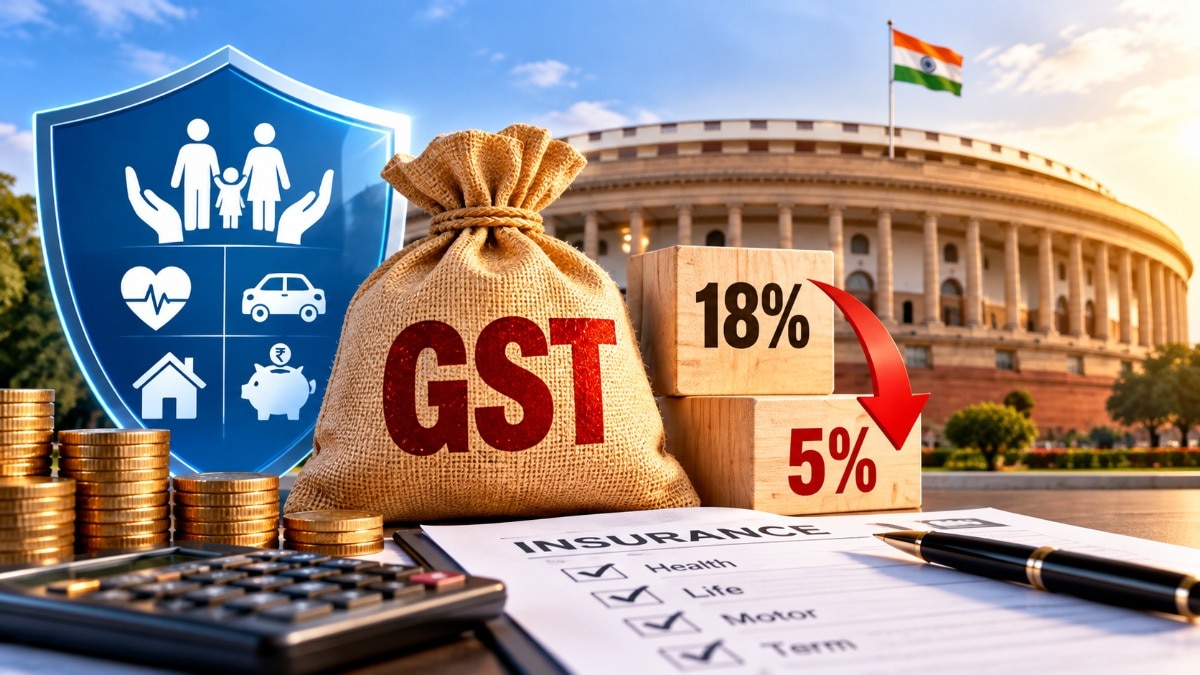
GST Cut Zeroed Insurance Tax, but Premium Savings Remain Uneven

India Inc Finds Preventive Health Benefits Deliver Insurance Savings
GST Council May Consider Hotel Tax Credit Relief
₹5 Lakh Health Cover Becomes New Employer Benefits Baseline

Insurers May Lower Premiums as Regulator Proposes Commission Cuts

GST Council Shifts Focus Toward Simpler, More Predictable Taxation

GST Council Announces Next-Gen Reforms for Taxpayers and Businesses

GST Council Proposes 5% Rate for EV Passenger Services
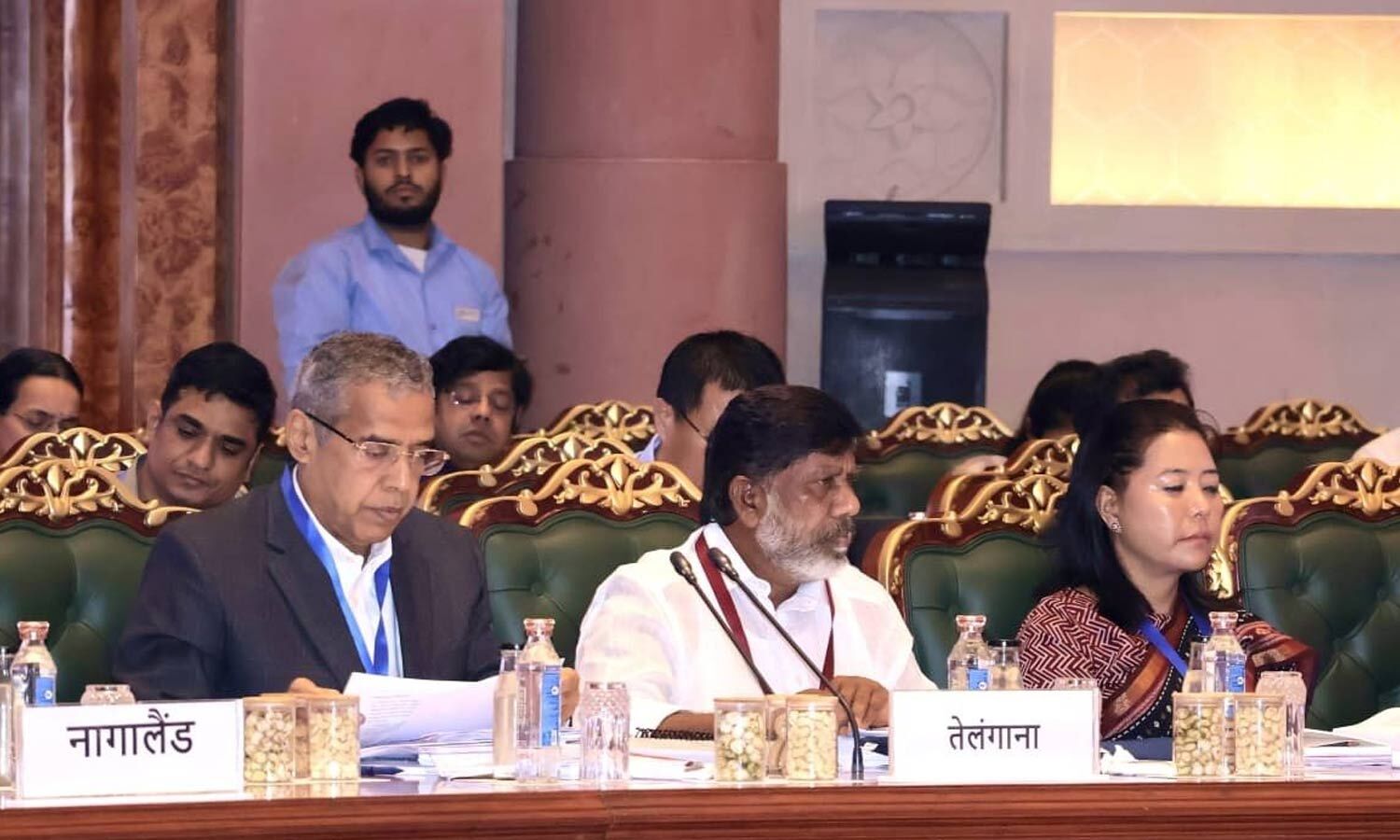
Telangana Warns Proposed GST Changes Could Cut Annual Revenue