

Archive · 28 Jul 2026
World Hepatitis Day 2026: Key Warning Signs
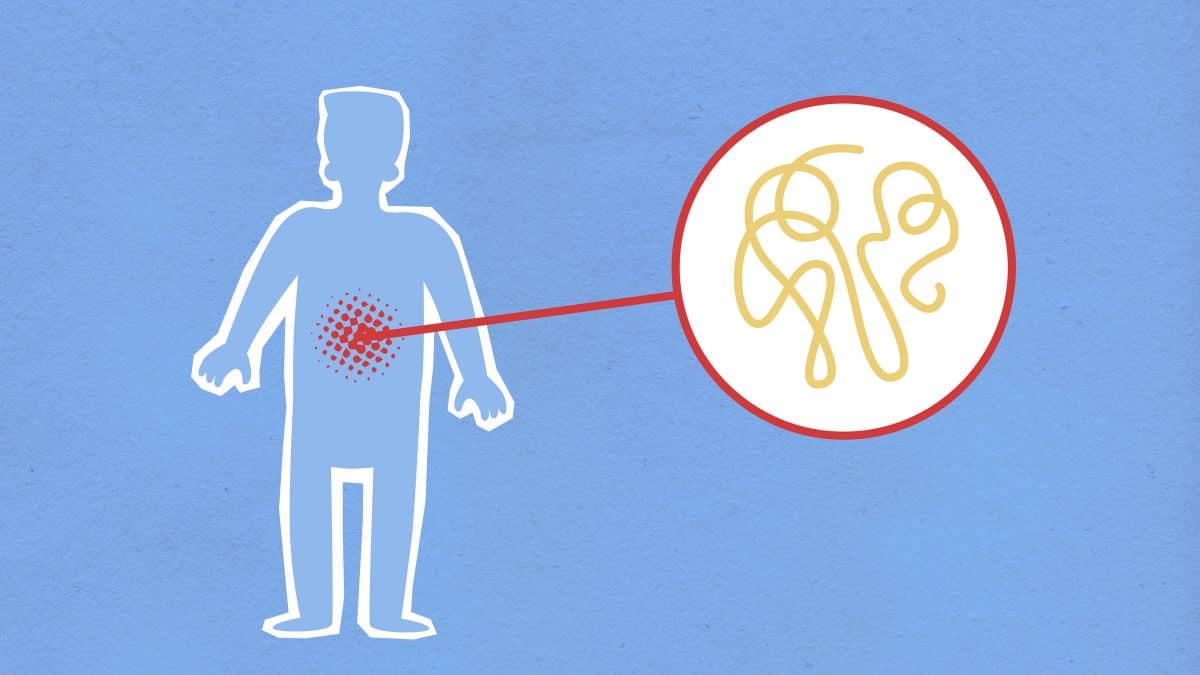
Hepatitis is when your liver gets inflamed.
It can happen because of viruses, too much alcohol, or other things.
Your liver is important because it cleans your blood and helps with digestion.
When it's inflamed, you might feel very tired, not want to eat, or have yellow skin.
Sometimes, it can be hard to notice early on.
But if you see these signs, you should go to the doctor.
There are ways to prevent hepatitis, like getting vaccinated and being careful with food and drinks.
Some people are more at risk, like those who drink a lot of alcohol or share needles.
It's important to know the signs and get help early to keep your liver healthy.

Hepatitis is inflammation of the liver caused by viral infections, excessive alcohol use, certain medications, autoimmune conditions, and toxins.
Early symptoms include persistent fatigue, loss of appetite, digestive discomfort, jaundice, fever, body aches, and skin changes.
Chronic hepatitis, especially types B and C, may remain symptom-free for years, leading to significant liver damage.
High-risk groups include individuals with high alcohol consumption, injectable drug users, unprotected sex with infected partners, unscreened blood transfusions, close contact with infected individuals, healthcare workers, and those with weakened immune systems.
Prevention includes vaccination, good hygiene, safe sex, avoiding shared needles, consuming safe food and water, and limiting alcohol intake.
- Who
- Individuals with high alcohol consumption, injectable drug users, unprotected sex with infected partners, unscreened blood transfusions, close contact with infected individuals, healthcare workers, weakened immune systems
- What
- Hepatitis, or inflammation of the liver, caused by viral infections, excessive alcohol use, certain medications, autoimmune conditions, and toxins
- When
- World Hepatitis Day 2026
- Where
- Globally
- Why
- To raise awareness about the early warning signs of hepatitis and the importance of timely diagnosis and prevention
Preventive Measures
Risk Factors
Vaccination and Hygiene
Preventive Measures
Vaccination is highly effective against hepatitis A and B. Maintaining good hygiene, practising safe sex, avoiding shared needles, consuming safe food and water, and limiting alcohol intake can significantly reduce risk.
Risk Factors
Individuals with high alcohol consumption, those who use injectable drugs with shared needles, and people engaging in unprotected sex with an infected partner are at higher risk.
- Cause
- Viral infections, excessive alcohol use, certain medications, autoimmune conditions, toxins
- Early Symptoms
- Fatigue, loss of appetite, digestive discomfort, jaundice, fever, body aches, skin changes
- High-Risk Groups
- High alcohol consumption, injectable drug users, unprotected sex with infected partners, unscreened blood transfusions, close contact with infected individuals, healthcare workers, weakened immune systems
- Prevention
- Vaccination, good hygiene, safe sex, avoiding shared needles, safe food and water, limiting alcohol
- Chronic Hepatitis
- May remain symptom-free for years, leading to significant liver damage