

Archive · 6 Sep 2025
India's Blood Donation Guidelines Challenged as Discriminatory
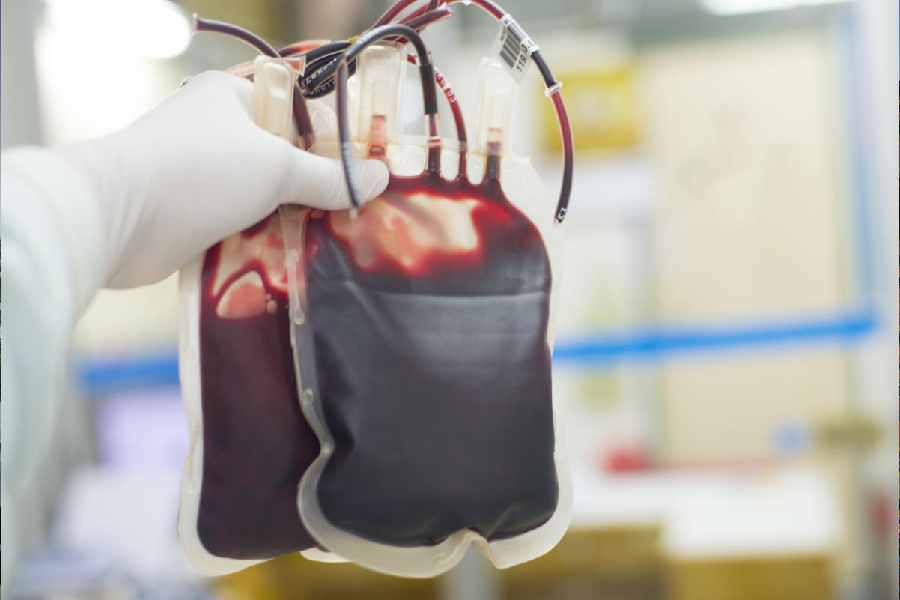
India needs more blood for medical treatments, but some people who want to donate are not allowed to.
Current rules in India say that transgender people, men who have sex with men, and female sex workers cannot donate blood, regardless of their health.
This is because of concerns about HIV, but these rules are being challenged in court.
The people challenging the rules say they are unfair because they focus on who someone is, not what they do.
Other countries use different rules, like asking everyone the same questions about their behavior.
Some countries also use a waiting period after sexual activity, but India's rules are more strict.
The lawsuit argues that these rules go against equality and dignity, and the court is being asked to make a decision.

India faces a critical shortage of blood, falling short of annual requirements.
Current guidelines indefinitely ban transgender persons, men who have sex with men, and female sex workers from donating blood.
A public interest litigation challenges these guidelines as arbitrary and discriminatory.
The petition argues that the rules are identity-based, not risk-based, violating constitutional rights.
Global practices are shifting towards science-based and non-discriminatory approaches.
- Who
- Transgender persons, men who have sex with men, and female sex workers are restricted from donating blood in India.
- What
- India's blood donation guidelines are being challenged for discriminating against certain groups.
- When
- The issue is currently before the Supreme Court.
- Where
- India
- Why
- The current guidelines are challenged for being discriminatory and identity-based, not risk-based, and violate constitutional rights.
Advocates for Inclusive Guidelines
Government and Current Guidelines
Basis of Exclusion
Advocates for Inclusive Guidelines
The current guidelines are based on identity rather than individual risk, which is discriminatory.
Government and Current Guidelines
Exclusion is based on perceived high-risk populations due to a higher prevalence of HIV.
Constitutional Violations
Advocates for Inclusive Guidelines
The guidelines violate the rights to equality (Article 14), non-discrimination (Article 15), and dignity (Article 21).
Government and Current Guidelines
The government argues the guidelines are a precautionary measure.
- Annual Blood Need
- 14.6 million units
- Current Blood Shortage
- Nearly a million units
- Groups Banned from Donation
- Transgender persons, men who have sex with men, and female sex workers
- Legal Challenge
- Public interest litigation before the Supreme Court
- Countries with Non-Discriminatory Systems
- Australia, Brazil
- Countries with Deferral Periods
- Belgium, New Zealand