

Archive · 19 Sep 2025
Controversy Erupts Over Trump Administration's Whipped Peter Portrait Removal
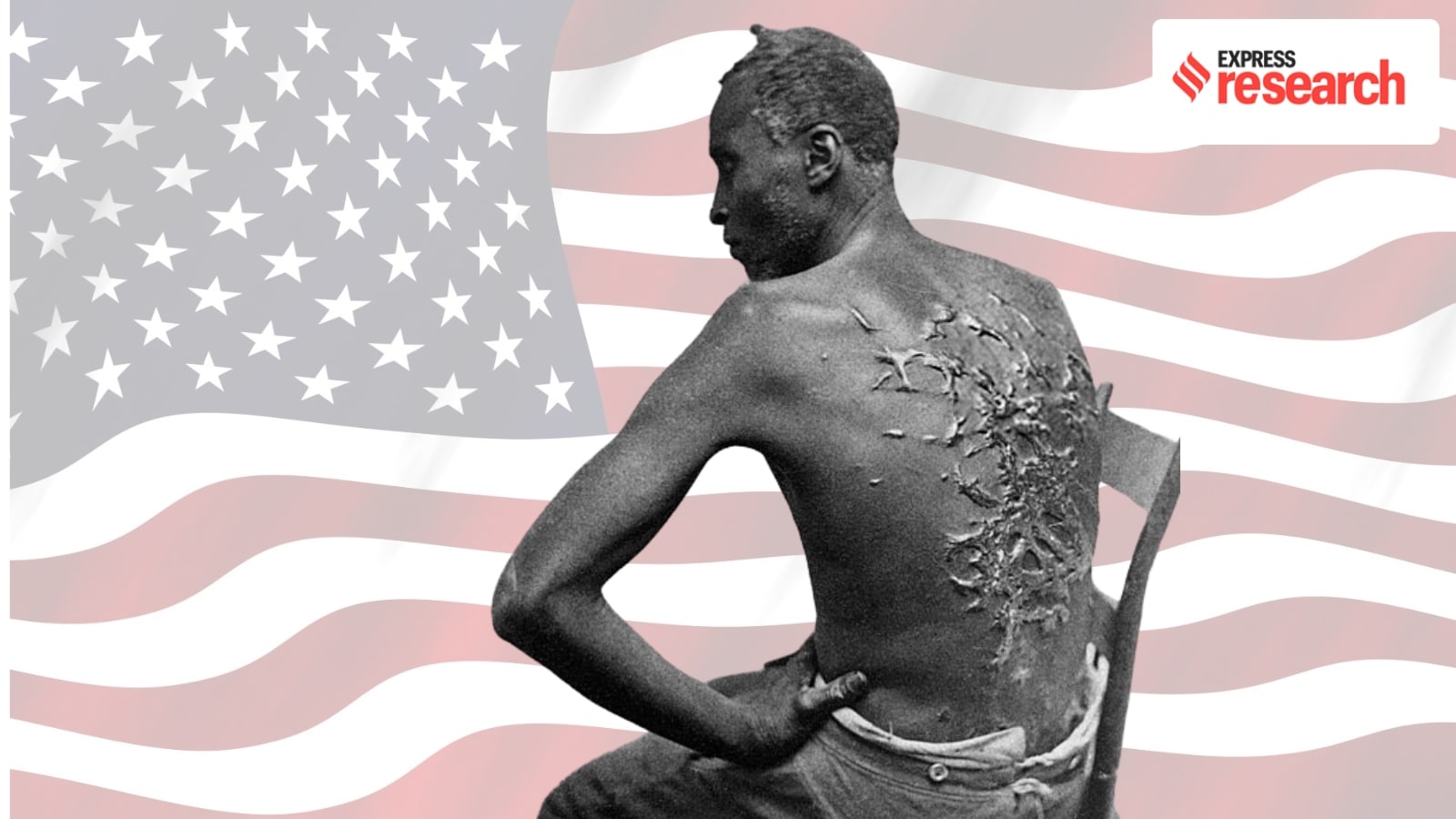
Imagine a picture of a man named Peter from the 1860s, showing scars from being whipped.
This picture is a powerful reminder of slavery.
Recently, the government removed this picture from a display.
Some people are upset because they believe it's like trying to forget about what happened in the past.
They feel it's trying to paint a different picture of history.
Peter was an enslaved man who ran away, and the scars on his back were documented in this picture.
The photograph has become controversial.

The portrait depicts Peter (Gordon), an enslaved man, with scars from whipping.
The photograph was taken in 1863 and widely circulated.
Peter escaped from a plantation in Louisiana.
The Trump administration ordered the removal of the portrait from a National Park Service display.
Critics claim this is an effort to diminish the history of slavery.
- Who
- Peter (Gordon), an enslaved man.
- What
- The Trump administration removed a portrait of Peter (also known as Gordon) from a National Park Service display.
- When
- 1863 (portrait); Recent reports (removal).
- Where
- Louisiana, United States.
- Why
- Critics view this as an attempt to erase aspects of American history.
Critics of Removal
Trump Administration (implied)
Historical Accuracy
Critics of Removal
The removal is an attempt to whitewash history.
Trump Administration (implied)
Implied as a desire to promote a more positive view of history, though no explicit statement from the administration is in the articles.
- Subject
- Enslaved Black man named Peter, also known as Gordon
- Event
- Removal of Peter's portrait from a National Park Service display
- Date of Portrait
- 1863
- Location of Scars
- Peter's back
- Auction Price
- $7,995 (for a carte de visite)
- Peter's Testimony
- Regarding whipping by Overseer Artayou Carrier and treatment