

Archive · 20 Jul 2025
U.S. Rejects WHO Pandemic Preparedness Amendments
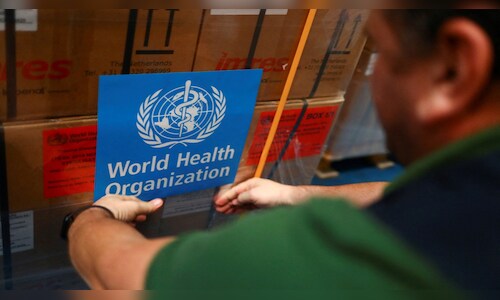
The U.S. has decided not to agree with new rules made by the World Health Organization (WHO) about how to handle future pandemics.
These rules, introduced in 2024, were meant to help countries worldwide be better prepared for disease outbreaks.
The U.S. government said they were worried the WHO would have too much control and that the rules weren't clear enough.
U.S. leaders stated that their decision protects the U.S. in managing its own health policies.

The U.S. rejected amendments to the International Health Regulations (IHR).
The amendments were adopted by the WHO in 2024.
Amendments aimed to improve pandemic preparedness.
U.S. officials cited concerns about WHO's expanded role.
The rejection was announced jointly by the Department of State and Department of Health and Human Services.
- Who
- The U.S. government and the WHO.
- What
- The U.S. rejected amendments to the International Health Regulations.
- When
- The rejection was announced on Friday.
- Where
- The amendments were adopted by the WHO.
- Why
- The U.S. cited concerns about the WHO's expanded role and vague terminology.
WHO Supporters
U.S. Government
Sovereignty
WHO Supporters
Ensure equitable access to medicine and vaccines
U.S. Government
Expanded WHO influence over health policies.
- Action
- U.S. Rejected Amendments
- Amendments Goal
- Improve pandemic preparedness
- Organization
- World Health Organization
- U.S. Stance
- Protects national sovereignty
- Date of Amendments
- 2024
