

Archive · 31 Oct 2025
Evening Walks May Improve Sleep, Blood Sugar, and Mood
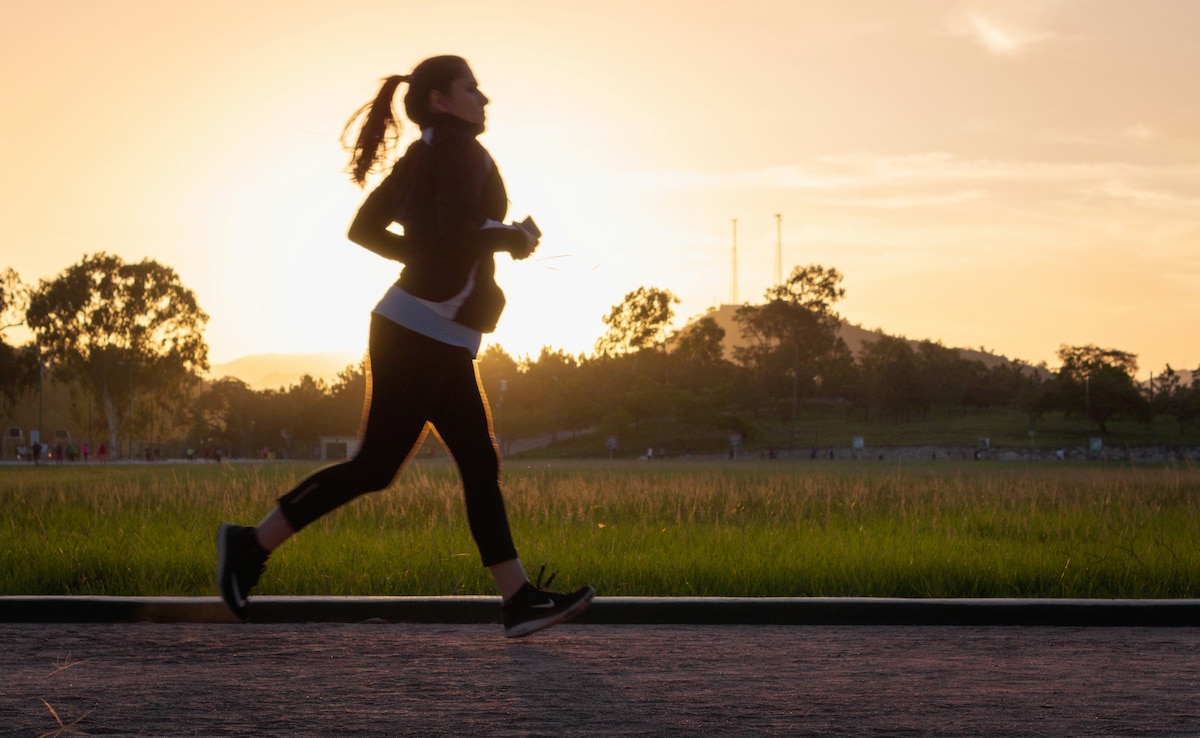
Imagine your body is like a machine that works better when it's not too wound up before bedtime.
Going for a short, gentle walk after dinner can help your body in many ways.
It helps you fall asleep faster and sleep more soundly, like telling your brain it's time to rest.
It also helps your body use up the sugar from your food, which is good for keeping your blood sugar levels steady.
Walking can make you feel happier and less worried, like a little stress reliever.
It can even help your tummy feel better if you ate a big meal, making it easier for food to move through.
So, a little walk before bed is like a simple, helpful routine for your body to feel its best.

Regular, moderate-paced walking before bed is linked to better sleep quality and efficiency.
Short walks after meals (10-15 minutes) can help manage post-meal blood sugar spikes.
Evening aerobic activity may contribute to a reduction in blood pressure for some individuals.
Walking releases endorphins, which can help improve mood and reduce symptoms of mild depression.
A gentle walk before bed can calm the nervous system, easing anxiety and promoting relaxation.
- Who
- Individuals experiencing poor sleep, high blood sugar, high blood pressure, mild depression, anxiety, acid reflux, or constipation.
- What
- Gentle, moderate-paced walking before bed.
- When
- After meals, before sleeping.
- Where
- Not specified, implying anywhere.
- Why
- To improve sleep quality, regulate blood sugar, reduce blood pressure, boost mood, ease digestion, and calm the nervous system.
- Benefit
- Improved sleep quality, fewer night awakenings
- Benefit
- Lower post-meal blood sugar spikes
- Benefit
- Reduced blood pressure
- Benefit
- Alleviated mild depression and low mood
- Benefit
- Reduced anxiety and nervous energy
- Benefit
- Eased acid reflux and indigestion
- Benefit
- Aided digestion and reduced constipation