1 hr ago
Supreme Court Upholds Ruling on Dua and Election Appeals
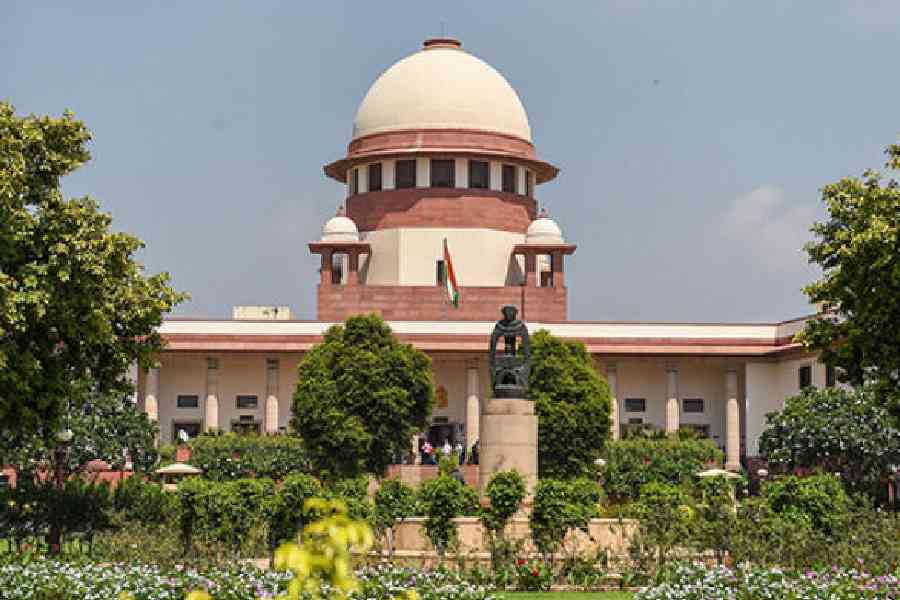
The Supreme Court considered a dispute about an election in Maharashtra.
A candidate had been accused of asking for votes through religious activities.
One example involved offering a Dua, or prayer, for election success.
People at the gatherings reportedly answered the prayer by saying “Amen.”
The Bombay High Court said that saying “Amen” is not the same as promising to vote for someone.
It also said that praying for success does not automatically mean asking for votes because of religion.
The Supreme Court agreed with that reasoning and rejected the challenge.
As a result, Mufti Mohammad Ismail Abdul Khalique’s election remains valid.

The Supreme Court dismissed Shaan-e-Hind Nihal Ahmed’s appeal challenging Mufti Mohammad Ismail Abdul Khalique’s election.
It upheld the Bombay High Court’s view that a prayer, or Dua, for electoral success is not automatically a religious appeal for votes.
The High Court ruled that saying “Amen” does not amount to a formal pledge to vote for a candidate.
The case involved allegations of corrupt practices under Section 123(3) of the Representation of the People Act, 1951.
The ruling leaves Mufti Ismail’s election from Maharashtra’s Malegaon Central constituency upheld.
- Who
- The Supreme Court, Bombay High Court, AIMIM’s Mufti Mohammad Ismail Abdul Khalique, and appeal petitioner Shaan-e-Hind Nihal Ahmed.
- What
- The Supreme Court dismissed a challenge to Mufti Ismail’s election and upheld the view that a Dua for electoral success is not, by itself, a religious appeal for votes.
- Where
- Malegaon Central Assembly constituency in Maharashtra, with the matter heard by the Bombay High Court and Supreme Court in New Delhi.
- When
- The dispute concerned the November 2024 Maharashtra Assembly polls; the Supreme Court dismissed the appeal afterward.
- Why
- The appeal alleged that religious prayers and responses such as “Amen” constituted undue influence or soliciting votes on religious grounds under election law.
Election challenge
Election defense
Meaning of Dua and “Amen”
Election challenge
Nihal Ahmed’s election petition argued that offering Dua for Mufti Ismail’s electoral success, followed by attendees saying “Amen,” amounted to a collective pledge to vote for him.
Election defense
Mufti Ismail’s side relied on the view that Dua is communication with God and that saying “Amen” agrees with or seconds a prayer but is not a formal promise to vote.
Religious appeal under election law
Election challenge
The challenge alleged that the campaign activities amounted to undue influence or soliciting votes on religious grounds under the Representation of the People Act, 1951.
Election defense
The courts held that merely referring to religion or religious organisations, without asking voters to support a candidate because of religion, does not by itself constitute a corrupt practice.
Need for a trial
Election challenge
The election petitioner sought to contest the validity of the election through allegations of corrupt practices.
Election defense
The Bombay High Court rejected the petition at the threshold, finding that it did not establish a complete cause of action warranting a trial; the Supreme Court upheld that outcome.
Key facts
- Supreme Court bench
- Justices Vikram Nath, Augustine George Masih and Sandeep Mehta
- Appeal petitioner
- Samajwadi Party candidate Shaan-e-Hind Nihal Ahmed
- Returned candidate
- AIMIM’s Mufti Mohammad Ismail Abdul Khalique
- Constituency
- Malegaon Central, Maharashtra
- Election
- November 2024 Maharashtra Assembly polls
- Relevant law
- Section 123(3) of the Representation of the People Act, 1951
- Central finding
- A Dua for electoral success and a response of “Amen” do not, by themselves, establish a religious appeal for votes or a formal voting pledge.
Quotes
Justice N. J. Jamadar
The Bombay High Court judge who authored the ruling on the election petition.
“By saying Amen, the person can be said to have agreed with or seconded the prayer for the electoral success of the Respondent No.1 (Mufti Ismail). However, saying Amen is materially distinct from making the pledge, which is in the nature of a formal promise or undertaking.”
 thehansindia.com
“As the Dua is essentially a form of communication by the believer with God, saying prayer for success in the election neither amounts to exercise of undue influence nor soliciting votes in the name of the religion.”
thehansindia.com
Sources
Related news
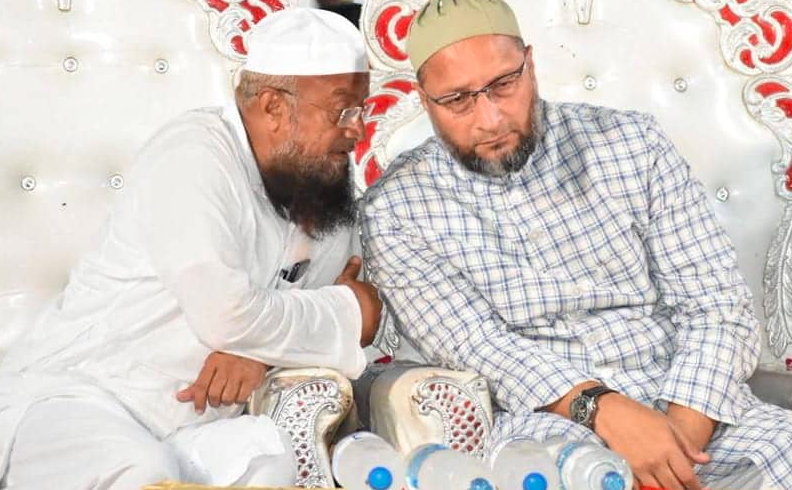
Supreme Court Upholds AIMIM MLA’s Malegaon Election Victory

Delhi High Court Rejects Plea Over NSUI, ABVP DUSU Polls
Owaisi Urges Telangana Voters to Guard Their Ballots

Madras High Court Rejects Plea to Restrict Resigned MLAs
Congress Leader Slams BJP Over Religion, Saharanpur Mosque Demolition
Aujla Says Electoral Wins and Defeats Are Democratic
Jharkhand SIR: BJP agent held over voter deletion forms
Supreme Court Revives Assam Congress Leader’s Election Challenge

Himachal High Court Dismisses Congress Challenge to BJP MLA Election